Luxury has traditionally been associated with things that are difficult to access: designer clothing, expensive restaurants, exclusive destinations, beautiful homes, and experiences reserved for special occasions. But another kind of luxury is making its way back into the conversation, and it has less to do with what someone owns than with how they make other people feel.
It is the art of hosting.
A beautifully arranged dinner table, a meal prepared with care, fresh flowers in an unexpected place, candles burning before guests arrive, and a playlist that makes everyone want to stay a little longer can transform an ordinary evening. These details may not require an elaborate budget or a professional event planner, but they communicate something increasingly valuable: attention.
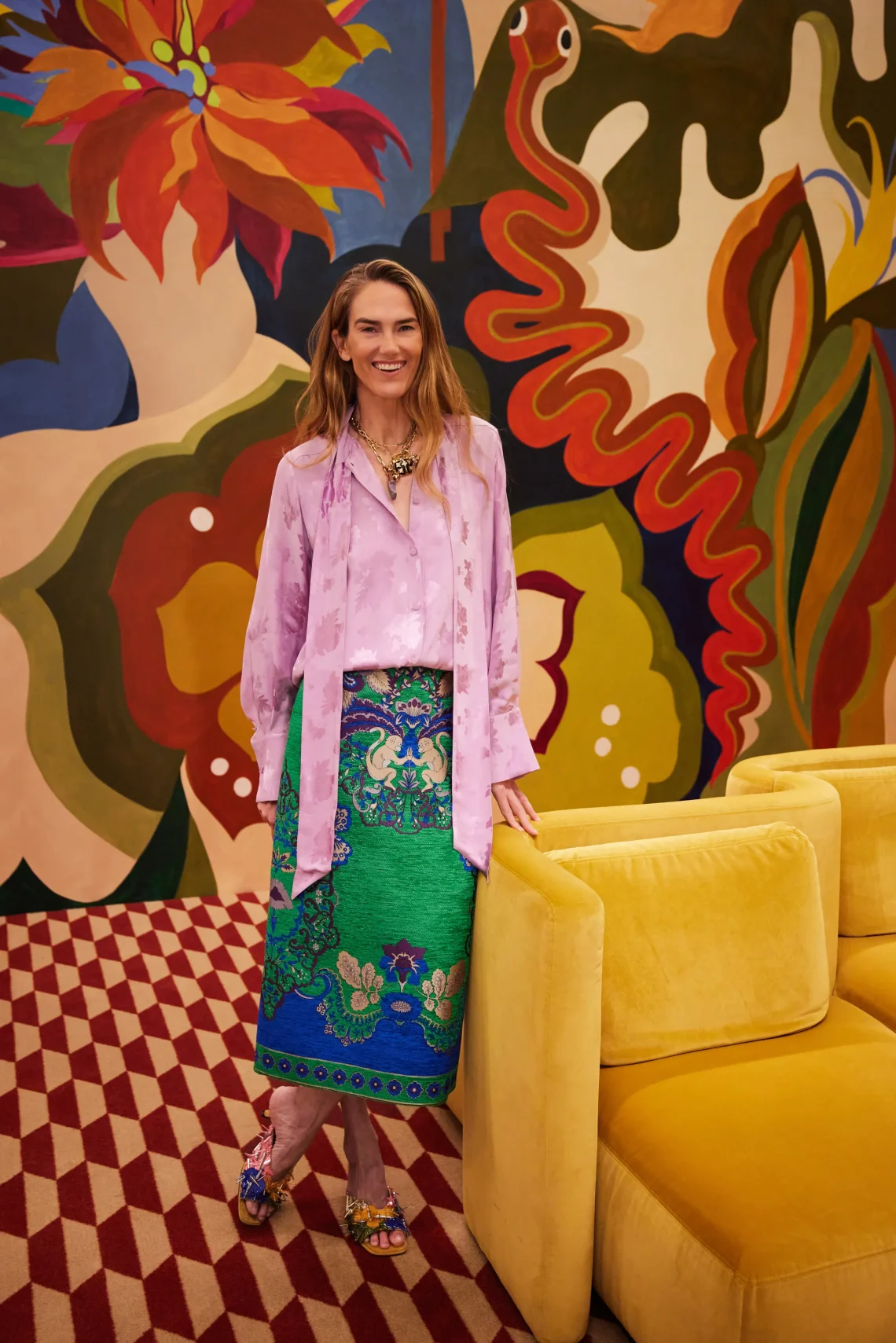
Designer J.J. Martin explores this philosophy in her new book, Table Energy: Entertaining with Italian Spirit. The founder of Milan-based lifestyle brand La DoubleJ uses the book to celebrate Italian hospitality, colorful tablescapes, seasonal gatherings, and the pleasure of bringing people together. Published by Vendome Press in October 2026, the book features 208 pages of photography and entertaining inspiration, moving through settings from Milan and Venice to Portofino, Capri, and Lake Como.
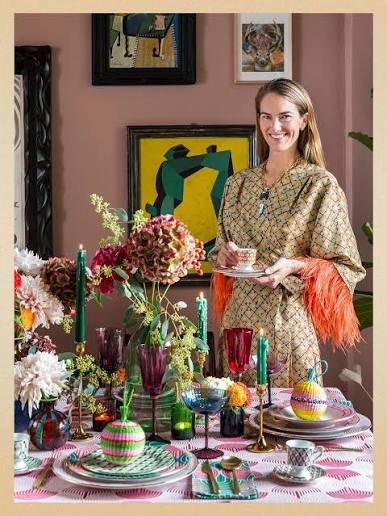
The concept is not simply about decorating a table beautifully. It is about creating an atmosphere in which people feel welcome, relaxed, and encouraged to enjoy themselves.
That distinction matters. The most memorable hosts are not necessarily the ones with the largest homes, the most expensive dinnerware, or the most complicated menus. They are the ones who understand that hospitality is an experience.
And in a world where so much social interaction happens through screens, the ability to bring people together around a real table feels especially meaningful.
The Return of the Art of Hosting
For years, entertaining at home seemed to become increasingly associated with major occasions. Holiday dinners, birthdays, engagement parties, weddings, and carefully planned celebrations often provided the reason to prepare a beautiful table.
Everyday gatherings, meanwhile, became more casual. Dinner might mean ordering delivery, meeting at a restaurant, or sending a message suggesting that everyone catch up another time.
There is nothing wrong with convenience. Modern schedules are busy, and not every evening needs to become an event. But something can be lost when gathering becomes an activity that requires a special reason.
The renewed interest in hosting suggests a desire to bring some of that experience back into ordinary life.
A Thursday dinner can be worth celebrating. A Sunday lunch can become a tradition. Friends can come over for pasta and wine without anyone needing to call it a dinner party. Even a simple afternoon coffee can feel more intentional when the table is prepared and the invitation is genuine.
The luxury is in the effort, not the occasion.
This is part of what makes Table Energy relevant beyond the world of decorative homeware. Its approach to entertaining connects beautiful surroundings with a more generous attitude toward everyday life. Martin’s Italian-inspired philosophy places color, community, food, and shared experiences at the center of the gathering.
The message is refreshing: a beautiful evening does not have to be complicated to be memorable.
What Italian Hospitality Understands About Gathering
Italian entertaining is often associated with long lunches, generous meals, conversation, and tables that feel alive rather than overly controlled.
The aesthetic may include patterned plates, colorful linens, flowers, glassware, and dishes that arrive gradually. But the atmosphere is just as important as the objects.
A meal is not simply something to finish before moving on to the next activity. It is an opportunity to spend time together.
In Table Energy, Martin explores gatherings across different Italian locations, including alfresco lunches in Portofino, candlelit dinners on Lake Como, and sun-filled feasts in Taormina. Each setting provides a different expression of hospitality, with the book connecting table design to seasonal celebrations and the pleasure of sharing food. <Cite refs={[“turn396509search0″,”turn396509search3”]}/>
There is a useful lesson in that approach.
A gathering does not need to feel perfect. Guests may arrive at different times, conversations may overlap, and the food may not appear exactly when planned. A host who spends the entire evening worrying about every detail can miss the very experience they wanted to create.
Hospitality requires preparation, but it also requires the ability to relax.
Martin has spoken about learning this through her own experiences in Italy. In a profile published by Robb Report, she recalled an early Thanksgiving gathering in which an oversized turkey caused an unexpected kitchen disaster. Instead of allowing the evening to be ruined, the guests helped manage the situation, and the gathering became a memorable shared experience.
That story captures something important about hosting: people may remember the beautiful table, but they often remember the laughter and unexpected moments even more.
The goal is not to control every minute. It is to create the conditions for people to enjoy being together.
The Tablescape as a Personal Signature
A tablescape is more than a collection of matching plates and glasses. It is a visual expression of the host’s personality.
Some people prefer clean white linens, simple ceramics, and restrained arrangements. Others love bold prints, layered patterns, colorful glassware, and flowers that seem almost too abundant.
Neither approach is inherently more luxurious.
What makes a table interesting is the thought behind it. The pieces should feel connected, even when they do not match perfectly.
La DoubleJ has built a recognizable visual identity around color, pattern, and decorative expression. Founded by Martin in 2015, the Milan-based brand expanded from fashion into homeware and lifestyle products, including tableware and textiles.
The brand’s aesthetic is an invitation to move away from the idea that a beautiful table must be neutral.
A printed tablecloth can become the starting point for an entire gathering. Colored glasses can introduce a playful detail. Patterned plates can make a simple meal feel more festive. Flowers can add movement and softness, while candles create atmosphere after the sun goes down.
The important thing is balance.
A colorful table does not need every object to compete for attention. One strong pattern can be paired with simpler dinnerware. A dramatic centerpiece can be balanced with understated linens. Different textures can create interest without requiring an abundance of decorative objects.
A personal tablescape should look collected, not assembled from a checklist.
Luxury Is in the Details People Notice
The difference between an ordinary meal and a thoughtfully hosted gathering often comes down to small decisions.
A folded napkin, a properly chilled drink, a water glass already waiting at each place, and a candle lit before guests arrive can communicate care without announcing it.
These details are not expensive individually, but they change how an experience feels.
Consider the difference between placing food on the table in its original packaging and arranging it in serving dishes. The meal may be exactly the same, but the second approach creates a sense of occasion.
Or consider a simple bowl of fruit placed in the center of a table. It can become both decoration and something guests can enjoy. Fresh herbs, bread, olive oil, and small dishes of seasonal ingredients can make an everyday meal feel abundant.
The idea is not to turn every meal into a styled photograph. It is to notice the small opportunities to make daily life more enjoyable.
A thoughtful host understands that people experience a home through more than its furniture. They notice the lighting, temperature, music, scent, seating, and the way the room encourages conversation.
Luxury becomes an accumulation of thoughtful details rather than one expensive centerpiece.
You Do Not Need a Formal Dining Room
One of the biggest misconceptions about entertaining is that it requires the right kind of home.
A large dining room, an impressive kitchen, and a beautifully furnished living area may make hosting easier in some ways, but they are not prerequisites for hospitality.
A small apartment can host a wonderful dinner. A kitchen island can become a gathering place. A balcony can accommodate a relaxed lunch. A coffee table can be arranged for an informal evening with friends.
The secret is to work with the space rather than trying to imitate someone else’s home.
For a smaller dining area, a simple centerpiece can keep the table functional. A few bud vases may be more effective than one large arrangement. Stackable chairs can provide extra seating, while serving dishes can be placed on a nearby counter to free up room.
If there is no dining table, a relaxed gathering around a coffee table can still feel intentional. A tray can organize drinks, small plates, and napkins. Comfortable cushions and warm lighting can make the room inviting.
The experience matters more than the furniture.
This is also consistent with the practical philosophy Martin has described in conversations about Table Energy. In Robb Report, she emphasizes that thoughtful entertaining does not require a grand setting, highlighting simple details such as bud vases, practical plates, and modest accessories as ways to create an inviting atmosphere.
The lesson is reassuring: you can host beautifully with what you already have.
The Beauty of Mixing Instead of Matching
A perfectly coordinated table can look polished, but a table with a little personality often feels more welcoming.
Mixing different plates, glassware, textiles, and serving pieces creates a sense of history. It suggests that the host has collected objects over time rather than purchased everything at once for a particular occasion.
A set of vintage glasses can sit comfortably beside modern plates. A patterned linen napkin can introduce color to a simple table. Ceramic bowls in different shapes can make a shared meal feel relaxed.
The key is to identify a common element.
That might be a color palette, a material, a recurring pattern, or a particular mood. A table with several different pieces can still feel cohesive if there is something visually connecting them.
This approach also makes hosting more affordable.
Instead of purchasing a complete matching collection, a host can gradually build a tableware wardrobe. A few versatile plates, everyday glasses, neutral serving bowls, and one or two decorative pieces can provide the foundation. More distinctive items can be added over time.
The result often feels more personal than a table purchased entirely in one shopping trip.
It also encourages people to use the things they already own. Beautiful dinnerware should not be reserved indefinitely for an imaginary special occasion.
The best pieces are the ones that become part of everyday life.
Food Should Feel Generous, Not Complicated
A beautiful table is only one part of a successful gathering. The food should also support the experience rather than consume the host’s entire evening.
One of the most useful lessons from Italian entertaining is the idea that a meal can feel generous without being unnecessarily complicated.
A host does not need to prepare six elaborate courses to make people feel cared for. A simple menu built around good ingredients can be more satisfying than a complicated meal that leaves the host exhausted.
Think about a relaxed Italian-inspired evening.
Start with olives, bread, cheese, or a small seasonal appetizer. Serve a pasta dish or roasted vegetables as the main event. Add a fresh salad, a simple dessert, and coffee. The meal feels complete without requiring an entire day in the kitchen.
For a weekend lunch, a large serving dish of pasta, a bowl of tomatoes dressed with olive oil, and fresh fruit may be enough.
The way food is presented can also make a difference. Serve dishes in bowls that can be passed around. Place bread where everyone can reach it. Let guests help themselves rather than creating a rigid restaurant-style sequence.
This style of serving encourages conversation and participation.
It also reduces pressure on the host. Once the food is ready, everyone can settle into the gathering instead of waiting for a perfectly timed presentation.
Hosting Without the Performance
Social media has changed how people think about entertaining.
Beautiful tables, elaborate dinner parties, seasonal decorations, and carefully arranged food are easy to photograph and share. The result can be inspiring, but it can also create an unrealistic standard.
A gathering begins to feel like a production when the host becomes more concerned with how it looks than how it feels.
There is nothing wrong with enjoying design or taking photographs of a beautiful table. The problem begins when every detail becomes something to perform for an audience.
The most successful gatherings are not necessarily the most photogenic.
They are the ones where guests feel comfortable enough to relax, where conversation moves naturally, and where nobody is afraid to reach for another serving.
A slightly imperfect table can be more welcoming than one that looks untouchable. A dish that arrives late may become part of the evening’s story. A last-minute invitation can introduce someone new to the group.
Hospitality is not a competition.
A host does not need to prove that they have the most impressive home or the most sophisticated taste. They simply need to create an environment where people feel wanted.
That is a more sustainable definition of luxury.
How to Make an Ordinary Evening Feel Special
Thoughtful hosting becomes easier when it is treated as a collection of small habits rather than an occasional major project.
Start with the table. Even a casual meal can feel different when plates, glasses, and napkins are arranged before everyone sits down. A clean table creates a sense of intention.
Add something natural. Flowers, branches, herbs, or seasonal fruit can bring life to a space. A few small arrangements are often easier to manage than one elaborate centerpiece.
Use lighting to create atmosphere. Turn off overly bright overhead lights when appropriate. Add candles or warm lamps to make the room feel comfortable.
Prepare a simple menu. Choose dishes that can be prepared ahead of time. Avoid recipes that require constant attention while guests are present.
Make drinks easy to access. Set out water, glasses, and a simple beverage option so guests can help themselves.
Create a playlist. Music can establish the mood without dominating conversation. Choose something that complements the gathering rather than competing with it.
Leave room for spontaneity. Do not schedule every moment. Allow the meal to continue, the conversation to change direction, and guests to stay a little longer.
Use what you already own. Bring out the beautiful plates, the interesting glasses, or the linens that have been sitting in storage. There is no reason to wait for a holiday.
These habits can turn hosting into something manageable rather than intimidating.
The New Luxury Is Time Together
There is a larger cultural reason why the art of hosting feels relevant again.
Modern life is increasingly structured around individual schedules, digital communication, and convenience. People can remain connected throughout the day without necessarily spending meaningful time together.
A shared meal changes that rhythm.
It creates a reason to pause, sit down, and give attention to the people in the room. There is no need to multitask or respond to every notification. The experience is built around being present.
That is part of what makes hosting valuable beyond its decorative elements.
A beautifully set table may attract attention, but the gathering itself creates the lasting memory. Guests remember the conversation, the unexpected stories, the food everyone enjoyed, and the feeling of being welcomed.
A table can become the setting for friendships, family traditions, celebrations, and important conversations. It can make a new relationship feel more comfortable or help an old friendship feel refreshed.
It does not need to be a formal dinner party to serve that purpose.
A simple breakfast with friends, a casual lunch, or an evening of takeout served on real plates can provide the same opportunity for connection.
The luxury is not necessarily the meal. It is the time and attention that surround it.
Make Your Home a Place People Want to Return To
A home does not become memorable because every room looks expensive. It becomes memorable because people associate it with experiences.
Perhaps it is the kitchen where everyone gathers before dinner. The dining table where conversations continue long after the plates are cleared. The balcony where friends share morning coffee. The living room where someone always finds a comfortable place to sit.
These spaces become meaningful through use.
Thoughtful hosting helps create that feeling. It encourages people to see the home as a place for connection rather than simply a collection of beautifully decorated rooms.
This is where interior design and hospitality meet.
A room can be visually impressive but uncomfortable. A dining table can be expensive but difficult to use. A beautiful sofa can be arranged in a way that discourages conversation.
Good hosting considers how people move through a space, where they sit, what they can reach, and whether they feel comfortable staying.
The most successful home details are often the ones that serve both beauty and function.
A serving bowl can be decorative and useful. A patterned tablecloth can protect a surface while adding personality. A beautiful tray can organize drinks and make them easy to carry. Candles can provide both atmosphere and warmth.
The idea is to create a home that looks considered without feeling untouchable.
The Confidence to Host Your Own Way
Not everyone enjoys elaborate dinner parties. Some people prefer small gatherings, while others love having a full house. Some hosts are passionate about cooking, while others would rather order food and focus on the company.
There is no single correct way to entertain.
The most important thing is to understand what feels natural to you.
A relaxed host should not feel pressured to become formal. Someone who loves design should not feel guilty about creating an elaborate tablescape. A person with limited space should not assume that entertaining is out of reach.
Hosting should reflect the person opening the door.
It can be colorful, minimalist, spontaneous, carefully planned, traditional, or unconventional. It can include homemade food or a favorite local takeout order. It can happen around a dining table, a kitchen counter, or an outdoor seating area.
What makes it meaningful is the intention behind it.
That is the broader appeal of J.J. Martin’s Table Energy. The book celebrates the visual pleasure of Italian entertaining, but its deeper message is about creating moments that feel generous and joyful. Its approach encourages people to bring more beauty into everyday life rather than saving it for occasions that may happen only a few times each year.
A Beautiful Table Is an Invitation
The return of hosting as a lifestyle aspiration is not necessarily about making dinner parties more formal or homes more expensive.
It is about recognizing that the small rituals of everyday life deserve attention.
A table can be beautiful without being extravagant. A meal can be generous without being complicated. A gathering can feel special without requiring a celebration.
The best hosts understand that a home is not simply a place to display beautiful things. It is a place where those things can be used, shared, and enjoyed.
Bring out the good plates. Light the candles. Put flowers in a glass you already own. Make a simple meal. Invite the people you have been meaning to see.
You do not need a holiday, a perfect dining room, or an impressive reason to open your door.
Sometimes the most luxurious thing you can offer is a seat at your table.
References
- Vendome Press — Table Energy: Entertaining with Italian Spirit by J.J. Martin
- ABRAMS Books — Table Energy Official Book Details
- PaperCity Magazine — J.J. Martin’s Table Energy Celebrates Italian Entertaining
- Robb Report — J.J. Martin on La DoubleJ, Italian Hospitality, and the Art of Entertaining
- Vogue — The Best New Design and Art Books to Know This Fall
- La DoubleJ — Official Lifestyle and Home Collections