Luxury fashion has always understood the power of a first impression. A beautifully structured coat, an intricately crafted handbag, or a perfectly tailored jacket can transform an outfit before anyone notices the smaller details.
But the most interesting lesson from the Fall 2026 runways is that luxury does not have to mean dressing extravagantly from head to toe. This season, designers are finding new ways to combine familiar wardrobe staples with dramatic proportions, rich textures, decorative accessories, and unexpected styling.
The result is fashion that feels more expressive than strict minimalism but more considered than simply following every passing trend.
Across the collections, heritage-inspired florals, sculptural silhouettes, updated tailoring, and statement accessories offered fresh perspectives on everyday dressing. Prada explored how styling can transform familiar pieces, while houses including Chanel, Dior, and Jil Sander demonstrated different approaches to texture, proportion, and polish.
For anyone building a more thoughtful wardrobe, these runway ideas offer a useful question: Which pieces deserve a place in your closet beyond this season?
The answer is not necessarily the most expensive item or the one receiving the most attention on social media. It is the piece that combines quality, versatility, personal appeal, and the ability to work with what you already own.
1. The Statement Coat That Defines an Outfit
If there is one category worth prioritizing when building a fall wardrobe, it is outerwear.
A coat is often the first thing people see, particularly during colder months when heavier layers dominate an outfit. A well-chosen design can make even a simple combination of jeans, knitwear, and boots feel intentional.
Fall 2026 offers several directions, from structured wool coats and sophisticated car coats to more dramatic capes and cocoon-like silhouettes. The common thread is shape: outerwear is becoming an important part of the overall look rather than something added merely for warmth.
For a timeless investment, consider a wool coat in charcoal, camel, chocolate brown, or deep navy. These shades are easy to coordinate with existing wardrobe staples and can move between professional settings, weekend plans, and evening occasions.
Look closely at the construction before making a purchase. Check how the shoulders sit, whether the sleeves allow comfortable movement, how the lining feels, and whether the buttons and seams appear secure. Fabric composition matters, too. A higher wool content can be appealing for warmth and texture, but the garment’s overall construction and suitability for your climate remain important.
For a more fashion-forward choice, consider a sculptural coat with a defined shoulder, an interesting collar, or a generous silhouette. The key is to balance volume elsewhere. An oversized coat can look especially polished over a fine knit and streamlined trousers.
The luxury lesson: Invest in the outerwear you will reach for repeatedly, not simply the coat that photographs best.
2. Tailoring With a More Personal Point of View
The traditional blazer remains one of the most useful pieces in a wardrobe, but Fall 2026 is encouraging a more individual interpretation of tailoring.
Rather than relying exclusively on rigid business suits, the season embraces softened structures, sculpted waists, distinctive proportions, and unexpected combinations. A tailored jacket might appear with relaxed denim, a flowing skirt, or a fine knit instead of matching trousers.
This flexibility makes tailoring particularly valuable for anyone trying to get more wear from fewer pieces.
A single well-fitting blazer can be styled in several ways:
- With straight-leg jeans and loafers for an elevated everyday outfit.
- Over a fine-gauge sweater and tailored trousers for work.
- With a satin skirt and statement earrings for an evening occasion.
- Over a simple dress when the outfit needs structure.
Fit is more important than the label. The shoulders should sit comfortably, the sleeves should work with the layers you plan to wear, and the jacket should close without pulling if you intend to wear it buttoned.
Fabric deserves equal attention. Wool blends can provide structure and warmth, while lighter materials may offer more flexibility for transitional weather. Examine the seams, lining, buttons, and finishing, especially when comparing garments at different price points.
For those who already own a classic black or navy blazer, there is no need to replace it simply because a new silhouette is trending. Try styling it differently first. A belt, silk scarf, or unexpected jewelry combination can make a familiar jacket feel current.
3. Rich Textures Bring Depth to Fall Dressing
One of the most appealing aspects of autumn fashion is its relationship with texture.
As temperatures fall, clothing naturally becomes more tactile. Wool, cashmere, suede, leather, velvet, and substantial cottons offer different surfaces that can make an outfit feel richer without relying on bold colors or conspicuous logos.
Fall 2026 takes this idea further through elaborate floral patterns, brocade-inspired fabrics, and combinations of contrasting materials. Designers have shown how traditional autumn motifs can feel more luxurious when rendered in deeper colors or more intricate finishes.
The easiest way to translate this into everyday dressing is to combine textures rather than patterns alone.
Imagine a soft cashmere-style sweater with tailored wool trousers, a leather belt, and suede footwear. Alternatively, pair a dark floral skirt with a simple knit and a structured jacket. The outfit gains dimension because each material contributes something different.
For evening, velvet or a beautifully finished satin piece can add a sense of occasion without requiring a heavily embellished outfit.
When assessing quality, consider how the fabric feels against the skin, how it hangs, whether the seams distort when worn, and how much care it requires. Delicate fabrics may look beautiful but demand more maintenance. Suede and leather can develop character over time, yet they also need appropriate storage and protection.
There is no single texture that automatically makes a garment luxurious. The overall effect depends on how well the material suits the design and how thoughtfully the piece is made.
4. The Statement Bag: Shape and Craftsmanship Over Hype
Handbags often occupy a special place in the luxury conversation because they combine function, design, and craftsmanship in a single accessory.
For Fall 2026, handbag coverage has highlighted top-handle silhouettes, slouchier shapes, croc-embossed finishes, and flap bags with distinctive proportions. These designs demonstrate that a bag can make a statement through its construction and texture without relying entirely on a recognizable logo.
Before purchasing a designer bag, think about how you actually use one.
Do you carry a laptop, notebook, and everyday essentials? A structured tote may be more practical than a compact evening bag. Do you prefer a hands-free commute? A crossbody design may offer greater value in everyday use. For dinners and events, a smaller top-handle bag or clutch might fill a different role.
Next, evaluate the details.
Inspect the stitching, edge finishing, hardware, closure, lining, and strap attachment points. Consider the bag’s weight when empty and whether the compartments suit your routine. For leather bags, ask about the type of leather and the recommended care requirements.
Price alone does not guarantee craftsmanship, and a popular model is not automatically a good purchase for every person.
It is also worth thinking about cost per wear. A bag that works with your daily wardrobe may be used hundreds of times, while a highly specific design might spend most of the year stored away.
That does not mean every purchase needs to be practical. Fashion can be joyful, and a distinctive bag may be worth buying because you love its design. The important distinction is knowing whether you are purchasing for daily function, long-term personal enjoyment, or a temporary trend.
5. Accessories Are Becoming the Main Event
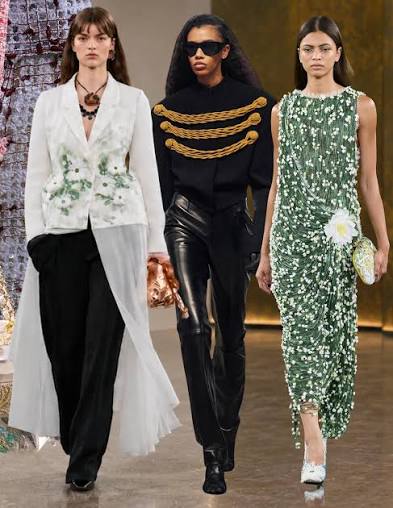
This season, accessories are doing more than finishing an outfit. They are helping define it.
Runway collections and Fall 2026 trend coverage have highlighted floral brooches, silk scarves, statement hats, decorative jewelry, opera-length gloves, and other accessories that bring personality to familiar clothes.
These details can be particularly useful for people who prefer to build a wardrobe around dependable basics.
A silk scarf can introduce color to a neutral coat. A sculptural brooch can update a blazer that has been in your closet for years. A distinctive belt can change the proportions of a dress or add definition to a relaxed jacket.
Jewelry offers another opportunity to express personal style. Rather than wearing several competing statement pieces, choose one focal point: a substantial ring, an architectural earring, or a long pendant over a simple knit.
The goal is not to make every accessory noticeable at once. It is to give the outfit a clear point of view.
For a sophisticated daytime combination, try a tailored coat, dark trousers, leather shoes, and a silk scarf in a contrasting print. For evening, a streamlined dress can feel entirely different with sculptural earrings and a polished clutch.
Accessories also offer a relatively flexible way to experiment with trends. A decorative pin or scarf usually requires a smaller commitment than replacing an entire wardrobe, and it can be moved between multiple outfits.
When shopping for fine jewelry, look at the materials, construction, comfort, and care requirements. For precious metals and gemstones, request clear product information and appropriate documentation where relevant. With scarves and hats, examine the fabric, finishing, and shape retention.
The most valuable accessory is not necessarily the one that attracts the most attention. It is the one that helps your clothes feel more like you.
6. Floral Prints and Heritage Details, Reimagined
Floral fashion is often associated with spring, but Fall 2026 has brought the motif into a darker, more elaborate territory.
Deep botanical prints, brocade-inspired surfaces, and heritage references have appeared across the season’s collections. The effect is less delicate garden party and more richly layered autumn dressing.
For real-life styling, the trick is to let one patterned piece lead.
A floral blouse can work with tailored black trousers and understated shoes. A patterned midi skirt can be paired with a fine knit in a color pulled from the print. A richly textured jacket may be all the statement an outfit needs, especially when the remaining pieces have clean lines.
This approach makes an expressive trend easier to wear and helps prevent the outfit from feeling overly complicated.
It also creates opportunities to shop your existing wardrobe. A vintage brooch, a patterned silk scarf, or a floral blouse you already own may deliver the same mood without requiring a new luxury purchase.
If you are considering a more expensive printed garment, pay attention to how the pattern aligns at seams and pockets. On carefully constructed clothing, pattern placement can be an important finishing detail.
Consider versatility as well. A striking piece does not need to work with everything, but it should work with several items you already enjoy wearing.
7. Investment Dressing Without the Pressure to Spend More
The phrase “investment piece” is frequently used in luxury fashion, but it deserves a practical definition.
A purchase is not automatically an investment because it comes from a famous fashion house, costs several thousand dollars, or appears frequently in runway coverage. Most clothing and accessories depreciate as consumer goods, and future resale values are uncertain.
A more useful approach is to think of an investment piece as something you expect to enjoy and use over a long period.
Before making a substantial purchase, ask yourself five questions:
Will I wear it regularly? A piece that fits your routine is more likely to earn its place in your wardrobe.
Does it work with what I own? Consider at least three outfits you could create with it before buying.
Is the quality appropriate for the price? Examine construction, materials, fit, and finishing rather than relying on branding alone.
Can I maintain it properly? Dry-cleaning, specialist leather care, delicate washing, and storage can add to the long-term cost.
Would I still want it without the trend coverage? This is a useful test when a particular item suddenly seems to be everywhere.
If the answers are encouraging, the purchase may be a strong addition to your personal wardrobe. If not, waiting can be the more luxurious decision.
There is also no rule that investment dressing must begin at designer prices. A beautifully fitting coat from a well-made contemporary label, a carefully sourced vintage bag, or a pair of shoes that can be repaired may provide excellent long-term use.
The objective is to buy with intention, not to spend more simply to signal taste.
8. Three Ways to Bring Fall 2026 Luxury Into Everyday Life
The runway can feel distant from daily dressing, but its ideas become more approachable when translated into complete outfits.
The polished everyday look: Start with straight-leg trousers, a fine knit, and a structured coat. Add leather loafers or ankle boots and a silk scarf. The result is comfortable, coordinated, and appropriate for a wide range of daytime settings.
The modern evening look: Pair a tailored blazer with a satin skirt or fluid trousers. Add a compact handbag, sculptural earrings, and a statement shoe. The contrast between structured and flowing pieces creates interest without requiring a head-to-toe designer outfit.
The relaxed luxury look: Combine dark denim with a high-quality sweater, a distinctive belt, and a well-made jacket. Choose one accessory that introduces personality, such as a brooch or a textured bag. The outfit remains simple but feels considered.
Each combination relies on the same principle: a strong foundation, a deliberate choice of texture or proportion, and a small number of details that make the look distinctive.
The New Meaning of Luxury
Fall 2026 fashion offers a reminder that luxury is not simply about owning the newest collection. It is about understanding what makes a piece worth wearing, how it fits into your life, and why you want to keep it.
The season’s most compelling ideas—from beautifully constructed outerwear and expressive tailoring to tactile fabrics and statement accessories—can all be adapted to different budgets and personal styles.
Some people will find their perfect fall piece in a designer handbag. Others may discover that a well-fitting coat, a vintage silk scarf, or a pair of expertly made shoes makes the greatest difference to their wardrobe.
The label matters less than the relationship you build with the item.
The most thoughtful luxury wardrobe is not necessarily the largest or the most expensive. It is the one where the pieces feel intentional, work together, and continue to inspire you after the excitement of a runway show has passed.
Because the real luxury is not simply wearing what is new. It is choosing what is worth keeping.
References
- Vogue: 6 Key Fall 2026 Fashion Trends to Know This Season
- Vogue: Fashion’s Top Retail Buyers Share Their Predictions for Fall’s It Buys
- Vogue: 10 Fall 2026 Accessory Trends That Stole the Show
- Vogue: The Fall Fashion Forecast: 5 Looks to Be Inspired by This Season
- Harper’s Bazaar: The Fall/Winter Bag Trends for 2026 Really Mean Business
- Harper’s Bazaar: What’s Actually Worth Adding to Your Closet This Fall?
- British Vogue: The Key Autumn/Winter 2026 Trends to Know Now