Luxury used to be easy to recognize. Logos, designer labels, flashy accessories, and highly visible status symbols made wealth immediately identifiable. Today, that visual language is fading. Modern wealth is becoming quieter, more subtle, and intentionally harder to read at a glance.
This shift reflects a broader change in how status is expressed. Instead of signaling wealth through visibility, many high-net-worth individuals are prioritizing understatement. The focus is less on being seen as rich and more on controlling how much is revealed.
One reason for this change is cultural awareness. In a hyper-connected world, visible wealth can attract unwanted attention—both online and offline. As a result, discretion has become a form of protection as well as preference.
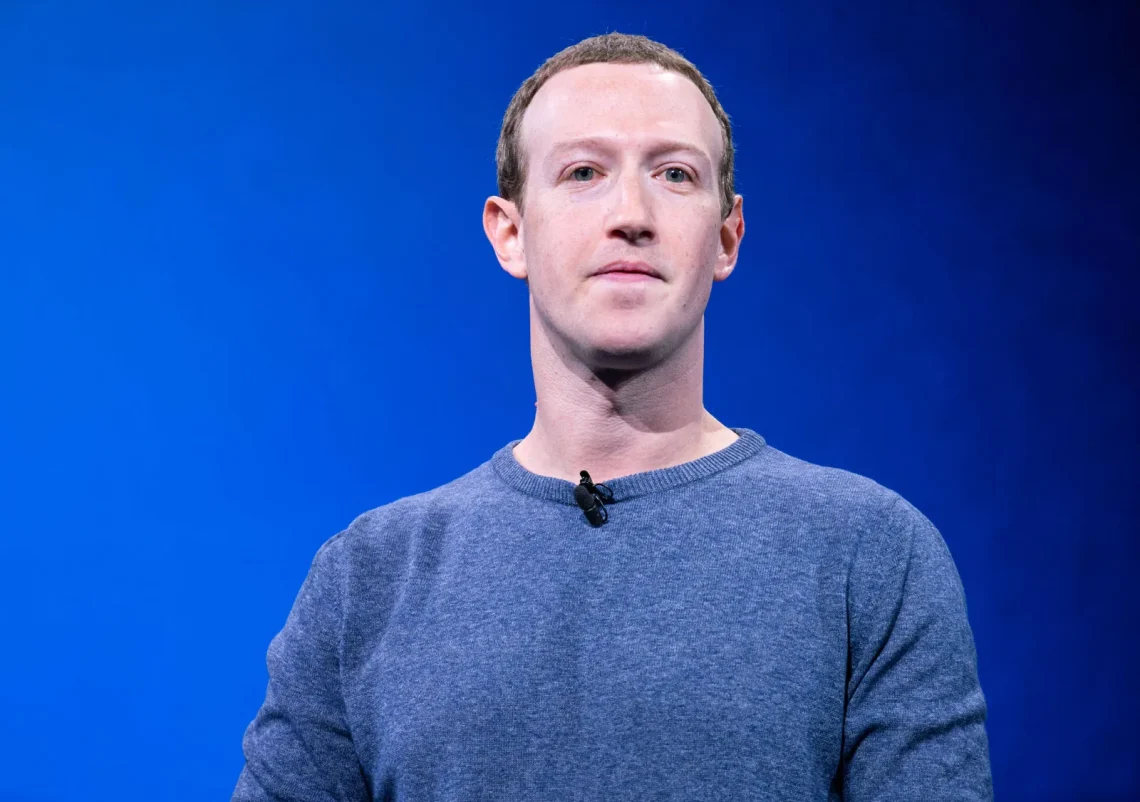
Public figures such as Mark Zuckerberg and Keira Knightley are often associated with more understated public appearances, reflecting a broader movement toward minimal, low-visibility luxury.
Another factor is the evolution of taste. Wealthy consumers are increasingly drawn to craftsmanship, quality, and experience rather than branding. The value of an item is no longer defined by how recognizable it is, but by how well it is made and how personally meaningful it feels.
This has given rise to what many describe as “quiet luxury”—a style characterized by neutral tones, simple silhouettes, and absence of obvious branding. Instead of signaling status outwardly, it communicates it through subtle details that are recognizable only to those who already understand them.
Social media has also played a role in accelerating this shift. As luxury becomes widely documented online, overt displays of wealth can feel performative or overexposed. Subtlety, in contrast, reads as more authentic and less attention-seeking.
In some cases, understatement has even become the new form of exclusivity. When luxury is no longer about showing off, it becomes about knowing without needing to display it. This creates a more coded system of recognition among those within similar social circles.
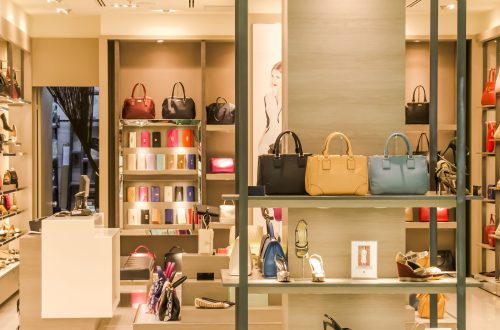
Brands have responded accordingly. Many high-end fashion houses now emphasize minimal branding, timeless design, and heritage storytelling rather than loud logos. The product speaks for itself rather than relying on visible identification.
There is also a psychological element at play. As wealth increases, there is often less need for external validation. Status becomes internalized, expressed through comfort, privacy, and control over environment rather than public signaling.
Ultimately, modern wealth is shifting from visibility to invisibility. The richest individuals are not necessarily the ones who stand out the most—but often the ones who blend in the most intentionally.