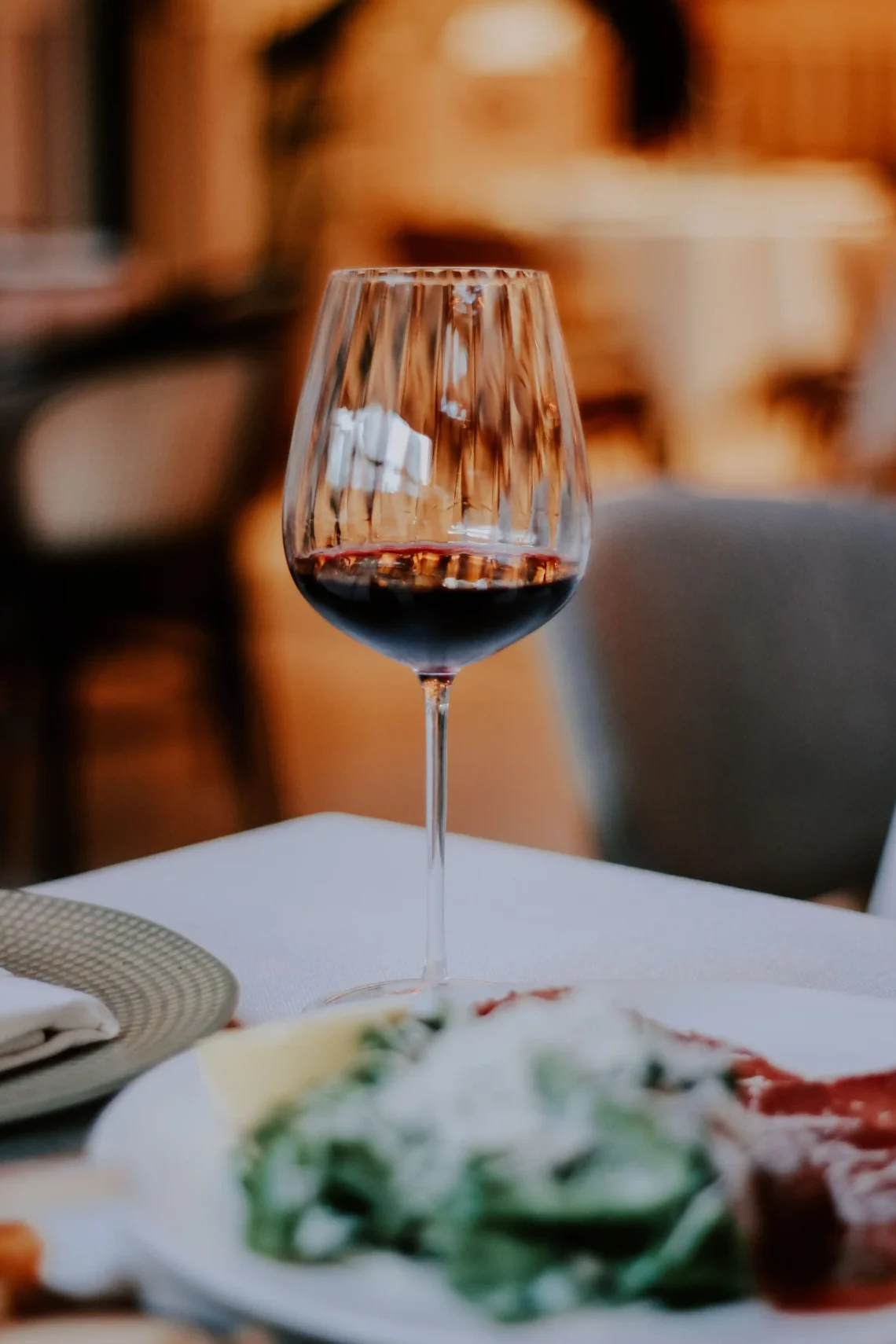
Introduction: More Than Just a Meal
Luxury dining is about more than enjoying delicious food in an elegant restaurant. It is an experience that combines exceptional cuisine, thoughtful presentation, attentive service, inviting ambiance, and attention to detail. From the moment guests enter a fine dining establishment to the final course of their meal, every element is carefully considered to create an experience that feels memorable and distinctive.
In a world where people often prioritize convenience and fast service, fine dining offers an opportunity to slow down and appreciate the art of a well-prepared meal. It encourages diners to savor each bite, enjoy meaningful conversations, and experience food in a more thoughtful way. Whether celebrating a special occasion, entertaining important guests, or simply enjoying a personal indulgence, luxury dining can transform an ordinary evening into something extraordinary.
What truly makes fine dining special is not necessarily the price of the meal or the exclusivity of the restaurant. It is the combination of quality, creativity, hospitality, and atmosphere that makes guests feel valued. Understanding these elements reveals why luxury dining continues to attract people who appreciate exceptional experiences.
1. The Art of Food Presentation
One of the first things people notice when dining at a luxury restaurant is how the food is presented. Before taking the first bite, guests experience the visual appeal of the dish, from the arrangement of its ingredients to the colors, textures, and decorative details on the plate. In fine dining, presentation is an essential part of the culinary experience because it creates anticipation and introduces the chef’s creative vision.
Professional chefs carefully consider the balance of colors, the placement of each ingredient, and the relationship between different textures. A dish may feature vibrant vegetables, delicately arranged seafood, a smooth sauce, or edible flowers that complement the overall composition. Rather than overcrowding the plate, chefs often use space intentionally to draw attention to the main ingredients.
However, beautiful presentation is not simply about making food look attractive. It should also reflect the flavors and concept behind the dish. Each element has a purpose, whether it adds freshness, richness, acidity, or contrast. When visual presentation and flavor work together, the result feels complete and satisfying.
Luxury restaurants also understand that presentation extends beyond the plate. Elegant tableware, polished cutlery, quality glassware, and carefully folded linens contribute to the overall impression. These small details help establish an atmosphere of sophistication and demonstrate the care invested in the dining experience.
2. Exceptional Ingredients and Culinary Craftsmanship
Another defining feature of fine dining is the quality of its ingredients. Luxury restaurants often prioritize fresh, seasonal, and carefully sourced ingredients because the quality of the raw materials directly influences the final dish. Depending on the restaurant’s concept, a menu may feature premium cuts of meat, freshly caught seafood, seasonal produce, artisanal cheeses, or specialty ingredients sourced from particular regions.
Yet expensive ingredients alone do not guarantee an exceptional meal. Culinary craftsmanship is what transforms those ingredients into something memorable. Professional chefs rely on experience, technical knowledge, patience, and creativity to develop dishes with balanced flavors and appealing textures.
Techniques such as slow cooking, precise temperature control, careful seasoning, and thoughtful sauce preparation require considerable skill. Even a seemingly simple dish can demand extensive preparation to achieve the right consistency and flavor. A perfectly cooked piece of fish, for example, depends on timing, temperature, and an understanding of how the ingredient responds to heat.
Fine dining also provides chefs with opportunities to explore new ideas. They may reinterpret traditional recipes, combine unexpected ingredients, or present familiar flavors in innovative ways. At the same time, many successful restaurants maintain a strong connection to culinary traditions and regional food cultures.
This balance between creativity and technique makes luxury dining especially appealing to people who appreciate food as both nourishment and an expression of artistry.
3. Personalized and Attentive Service
Excellent service is one of the most important elements of a memorable fine dining experience. While delicious food can attract customers, thoughtful hospitality often determines whether they want to return. Luxury restaurants understand that guests expect more than someone simply taking their order and delivering their meals.
Professional service begins with a warm welcome and continues throughout the evening. Staff members are trained to understand the menu, explain ingredients, answer questions, and offer recommendations based on individual preferences. They may help guests choose a wine pairing, explain how a dish is prepared, or suggest alternatives for dietary requirements.
Attentive service also involves knowing when to approach a table and when to give guests privacy. A well-trained server recognizes that some diners appreciate detailed explanations, while others prefer a quieter experience. Water glasses are refilled discreetly, plates are cleared at appropriate moments, and each course arrives at a comfortable pace.
Personalization can make the experience even more meaningful. Remembering a guest’s preferences, accommodating an anniversary celebration, or carefully handling a dietary restriction can demonstrate genuine consideration. These gestures do not need to be extravagant to make a lasting impression.
Ultimately, exceptional hospitality makes guests feel comfortable, respected, and welcome. It transforms professional service into a human connection, which is an important reason fine dining can feel different from an ordinary restaurant visit.
4. Ambiance and the Importance of Atmosphere
The atmosphere of a fine dining restaurant influences how guests feel before they even look at the menu. Lighting, music, interior design, table spacing, and temperature all contribute to the overall experience. Together, these elements create an environment that encourages diners to relax, focus on their meal, and enjoy the company of others.
Many luxury restaurants use soft lighting to create a warm and intimate setting. Carefully selected music provides a pleasant background without overpowering conversations. Comfortable seating and thoughtful table arrangements allow guests to enjoy their meals without feeling crowded or rushed.
Interior design also plays a significant role. Some establishments feature contemporary architecture, minimalist furnishings, and neutral colors, while others embrace classic elegance through rich materials, detailed finishes, and traditional décor. Restaurants with scenic views may use large windows to make the surrounding landscape part of the experience.
The best ambiance reflects the restaurant’s identity and complements its cuisine. A seafood restaurant overlooking the ocean may create a relaxed coastal atmosphere, while a sophisticated urban establishment may emphasize modern design and understated elegance.
A beautiful setting can also influence the emotional significance of a meal. Celebrating a birthday, anniversary, engagement, or professional achievement feels different when the environment supports the occasion. By creating a space where guests can enjoy the moment, fine dining turns an ordinary meal into a more meaningful experience.
5. The Experience of a Thoughtfully Designed Menu
A fine dining menu is often more than a list of available dishes. It can reflect the chef’s philosophy, seasonal inspirations, cultural influences, and approach to flavor. Every course contributes to the overall progression of the meal, creating a sense of balance from the first taste to the final dessert.
Some restaurants offer tasting menus that allow guests to explore several small courses prepared around a particular theme. These menus may introduce contrasting flavors and textures gradually, helping diners discover combinations they might not ordinarily choose. Other establishments provide à la carte options that allow guests to select dishes according to their preferences.
Menu design requires careful consideration. A rich main course may be balanced by a lighter appetizer, while acidity or fresh herbs can provide contrast to creamy or savory ingredients. Desserts may offer a refreshing finish after a substantial meal.
Seasonality is another important consideration. Restaurants that adapt their menus throughout the year can showcase ingredients when they are at their best. This approach can introduce variety while encouraging a stronger connection to local producers and regional food traditions.
For diners, exploring a thoughtfully designed menu can be an opportunity to try something new. It encourages curiosity, introduces unfamiliar ingredients, and creates a deeper appreciation for the planning and creativity behind each course.
6. Fine Dining as a Social and Cultural Experience
Food has always played an important role in bringing people together. Luxury dining builds on this tradition by creating a setting where people can celebrate relationships, strengthen professional connections, and share significant moments.
For couples, a fine dining restaurant can provide a romantic setting for an anniversary or special date. Families may choose an elegant restaurant to celebrate a milestone, while professionals may use fine dining to host clients or recognize important achievements. In each situation, the meal becomes part of a larger experience rather than simply a way to satisfy hunger.
Fine dining can also offer a glimpse into different cultures. Regional ingredients, traditional cooking techniques, and distinctive flavor combinations tell stories about a place and its history. A restaurant specializing in French cuisine, for instance, may highlight classic sauces and culinary techniques, while another establishment may explore the flavors and traditions of Japanese, Italian, or Southeast Asian cooking.
Through these experiences, guests can develop a greater appreciation for culinary diversity. Dining becomes an opportunity to learn, explore, and connect with traditions beyond their everyday routines.
The social aspect is equally important. Sharing several courses encourages conversation and gives people more time to enjoy one another’s company. In this sense, luxury dining is not only about the food served but also about the memories created around the table.
7. The Connection Between Luxury Dining and Personal Well-Being
An elegant meal can provide more than physical satisfaction. For many people, going out for a special dinner offers a welcome break from demanding schedules, household responsibilities, and the constant pressure to remain productive. Taking time to enjoy a meal can create space for relaxation and meaningful connection.
Fine dining often encourages people to slow down. Instead of eating quickly while multitasking, guests can focus on the flavors, textures, aromas, and presentation of each course. This mindful approach to eating can help make the experience more enjoyable and encourage greater awareness of personal preferences and feelings of fullness.
The atmosphere can also contribute to a sense of relaxation. Comfortable surroundings, attentive service, and uninterrupted conversation may help people temporarily step away from everyday concerns. Celebrating a personal achievement or sharing a meal with loved ones can make the occasion feel more rewarding.
Well-being, however, is not defined by expensive experiences alone. Rest, healthy routines, social connection, and time for personal interests are also important parts of a balanced lifestyle. People who want to explore broader approaches to emotional wellness and self-care can find additional resources through the Ragers mental health collection.
Luxury should ultimately support a person’s quality of life rather than create financial pressure or unrealistic expectations. Whether someone enjoys a sophisticated restaurant or prepares a thoughtful meal at home, the value lies in creating moments that support enjoyment, connection, and personal well-being.
8. Attention to Detail Makes the Difference
One characteristic that distinguishes fine dining is the attention given to details that guests may not immediately notice. The temperature of a plate, the timing between courses, the comfort of the seating, and the coordination between kitchen and service staff all contribute to a seamless experience.
Consistency is particularly important. Guests expect the same commitment to quality whether they visit on a quiet weekday or during a busy weekend. Achieving this standard requires teamwork, preparation, clear communication, and careful quality control behind the scenes.
Small gestures can also make an experience feel special. A thoughtful recommendation, a well-timed course, or a dessert presented to celebrate a milestone can leave a stronger impression than an elaborate display. These details communicate that the restaurant cares about the guest’s experience from beginning to end.
Luxury does not always need to be dramatic or extravagant. Often, its greatest strength lies in making everything feel natural, comfortable, and carefully considered.
9. Is Fine Dining Worth the Investment?
Fine dining can be more expensive than a casual restaurant meal, leading many people to wonder whether the experience is worth the cost. The answer depends on individual priorities, expectations, and budgets.
The price of a luxury dining experience may reflect ingredient quality, skilled kitchen staff, specialized preparation, professional service, restaurant location, and the cost of maintaining an exceptional environment. Some restaurants also invest heavily in unique concepts, extensive tasting menus, and carefully selected beverage programs.
For special occasions, these elements can make the experience worthwhile. Guests may appreciate the opportunity to explore creative cuisine, receive personalized service, and enjoy a setting designed for celebration. For food enthusiasts, the chance to experience a chef’s craftsmanship can be rewarding in its own right.
However, a higher price does not automatically mean better food or better service. The most satisfying restaurant is one that matches a guest’s tastes and expectations. Some diners prefer elaborate tasting menus, while others find greater enjoyment in a smaller restaurant that focuses on seasonal ingredients and warm hospitality.
It is also possible to enjoy elements of luxury without spending excessively. Choosing a lunch menu, visiting during special dining promotions, or reserving fine dining for meaningful occasions can make the experience more accessible.
The goal is to enjoy luxury in a way that feels valuable and financially comfortable.
10. How to Make Your Next Fine Dining Experience Memorable
Planning ahead can help you get more from a luxury dining experience. Begin by choosing a restaurant that matches the occasion, whether you prefer contemporary cuisine, traditional dishes, a romantic atmosphere, or an innovative tasting menu. Reading the menu in advance can help you understand the restaurant’s style and identify any dietary requirements that should be discussed beforehand.
Consider the occasion when selecting your outfit. Some establishments have dress codes, so checking the restaurant’s guidelines can prevent unnecessary surprises. Arriving on time also allows you to settle in and enjoy the atmosphere without feeling rushed.
Once seated, take the opportunity to ask questions about unfamiliar dishes and ingredients. Restaurant staff can often recommend options based on your preferences. If you are interested in a tasting menu, ask about its duration and whether the courses can accommodate your dietary needs.
Most importantly, allow yourself to enjoy the experience without focusing entirely on documenting it. Taking a few photographs can be enjoyable, but being present with your dining companions allows you to appreciate the food, conversation, and surroundings more fully.
The most memorable meals are often those where every element feels aligned with the occasion and the people sharing it.
Conclusion: The Lasting Appeal of Luxury Dining
The luxury dining experience stands out because it brings together culinary craftsmanship, beautiful presentation, attentive hospitality, inviting ambiance, and thoughtful attention to detail. Each element contributes to a meal that feels carefully designed and personally meaningful.
Although fine dining is often associated with exclusivity and high prices, its real appeal lies in the quality of the experience. Exceptional food, genuine hospitality, and a comfortable environment can turn a simple dinner into a memorable occasion. For some people, this means exploring an innovative tasting menu. For others, it means celebrating an important milestone in a restaurant that makes them feel special.
As modern lifestyles become increasingly busy, experiences that encourage people to slow down and connect with others remain valuable. Luxury dining offers an opportunity to appreciate food as an art, hospitality as a craft, and shared meals as an important part of human connection.
Ultimately, the finest dining experience is not necessarily the most expensive one. It is the one that leaves guests with a sense of satisfaction, appreciation, and memories worth revisiting long after the final course has been served.