Luxury has always been associated with things that are rare, expensive, and difficult to obtain. For generations, luxury meant designer clothing, expensive watches, exotic cars, enormous homes, fine jewelry, private jets, and exclusive vacations. These possessions were more than purchases. They were symbols of achievement, wealth, and social status.
But the meaning of luxury is changing.
In 2026, the modern luxury lifestyle is becoming less about collecting expensive things and more about having access to experiences that feel personal, meaningful, private, and unforgettable. Luxury travelers are looking for customized journeys, wellness retreats, cultural experiences, fine dining, privacy, and opportunities to spend quality time away from everyday responsibilities. Research into the luxury market shows that affluent consumers are increasingly placing greater value on experiences and lifestyle activities, while travel, wellness, hospitality, and other experiential categories continue to gain importance.
This does not mean luxury possessions are becoming irrelevant. Beautiful craftsmanship, designer fashion, fine jewelry, luxury automobiles, and high-end homes will always have an important place in the luxury market. However, possessions are increasingly becoming only one part of a much larger idea of what it means to live well.
The new definition of luxury is increasingly about having the freedom to choose how you spend your time, where you go, what you experience, and how you feel.
What Is the New Definition of Luxury?
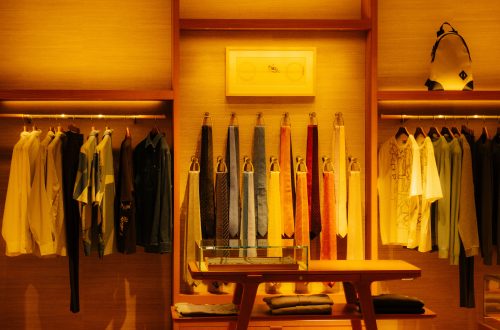
Traditional luxury was relatively easy to recognize. An expensive watch, a designer handbag, or a high-end sports car could immediately communicate status. The value was often connected to the brand, craftsmanship, rarity, and price.
Modern luxury is more difficult to define because it is becoming increasingly personal.
For one person, luxury might mean spending two weeks at a private island resort. For another, it could mean having an entire weekend without work, traveling with family, enjoying a private dinner, or having the time to focus on health and wellness.
This shift is partly driven by the fact that many people now have access to products that were once considered extremely exclusive. Luxury brands have expanded globally, and social media has made luxury products more visible than ever.
Experiences, however, cannot always be replicated in the same way.
A personalized trip, private cultural tour, memorable dinner, or peaceful retreat can create a story that belongs entirely to the person experiencing it.
That personal element is becoming one of the most important characteristics of modern luxury.
Why Experiences Are Becoming More Valuable
Experiences have an advantage that many physical possessions do not: they create memories.
A luxury handbag may remain beautiful for years, but a trip to an extraordinary destination can become a memory that someone talks about for decades. A special anniversary dinner, a family vacation, a private yacht journey, or a wellness retreat can become part of a person’s personal history.
Experiences can also create emotional value.
People often remember how a place made them feel, the people they were with, the food they tasted, and the things they discovered. These memories can continue to provide enjoyment long after the actual experience has ended.
This is one reason luxury consumers are increasingly interested in personalized travel and lifestyle experiences. Expedia’s 2026 luxury travel insights note that affluent travelers are seeking itineraries designed around individual interests, including private art tours, personalized wellness retreats, and chef-led culinary experiences.
The luxury is no longer simply in paying more.
It is in receiving something that feels uniquely designed for you.
Time Has Become One of the Greatest Luxuries
One of the most valuable things in modern life is something money cannot simply purchase more of: time.
People can buy larger homes, better cars, designer clothing, and expensive vacations, but nobody can add additional hours to a day. As work, technology, social media, and constant communication continue to occupy people’s attention, uninterrupted time has become increasingly valuable.
This is why having control over your schedule can be considered a form of luxury.
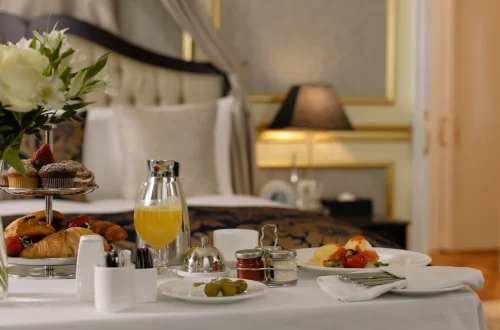
Being able to take a long vacation without checking emails, spend an entire afternoon with family, enjoy a slow breakfast, or simply disconnect from technology can feel incredibly indulgent.
For wealthy travelers, this is one reason longer and slower trips are becoming attractive. Instead of rushing through five destinations in seven days, travelers may choose to spend more time in one place.
They can wake up without an alarm, enjoy a leisurely breakfast, explore local neighborhoods, have a long lunch, relax in the afternoon, and experience the destination at their own pace.
The luxury is not necessarily the number of places visited.
It is the freedom to slow down.
Personalized Travel Is the New Status Symbol
Luxury travel has traditionally been associated with five-star hotels, first-class flights, private villas, and exclusive resorts. These things remain important, but travelers increasingly want their trips to reflect their personalities and interests.
A personalized luxury vacation might include a private guide, a customized itinerary, a special culinary experience, exclusive access to an attraction, or an activity built around a particular hobby.
For someone passionate about art, a luxury trip might revolve around private gallery visits and museum experiences. A food lover might prefer a culinary journey featuring local chefs and private dining. Someone interested in history might choose a private tour with an expert guide.
The destination itself is only part of the experience.
The real luxury comes from making the trip feel like it was created specifically for one person.
This is an important change in the luxury lifestyle because it moves the focus away from simply having the most expensive option. Instead, the question becomes whether the experience is meaningful to you.
Wellness Is Becoming Part of Luxury Living
Health and wellness have also become central to the modern luxury lifestyle.
Luxury wellness is no longer limited to expensive spas and massages. Today’s wellness experiences can include fitness retreats, nutrition programs, mindfulness, personalized health programs, sleep-focused experiences, outdoor activities, and longer-term approaches to healthy living.
This reflects a broader change in how people think about wealth.
Having an expensive home is valuable, but being healthy enough to enjoy life is arguably even more important. Having a luxury car may provide comfort and status, but having the energy to travel, exercise, spend time with family, and pursue personal interests can have a much greater impact on everyday life.
Luxury wellness therefore focuses on quality of life rather than appearance alone.
Even personal health goals can become part of an experience-driven lifestyle. Creating healthier eating habits, becoming more active, and working toward a comfortable weight can be viewed as investments in energy, confidence, and long-term well-being. For those exploring resources related to weight management, the Ragers Weight Loss collection can be part of a broader wellness-focused lifestyle.
The important idea is that wellness is increasingly becoming something people experience and practice rather than something they simply purchase.
Privacy Is Becoming a Modern Luxury
In an increasingly connected world, privacy has become extremely valuable.
Social media has made it possible to share almost every aspect of daily life. People constantly see where others travel, what they buy, what restaurants they visit, and how they spend their free time.
As a result, some of the most desirable luxury experiences are now the ones that allow people to disappear.
Private villas, secluded resorts, private dining rooms, remote destinations, exclusive clubs, and personalized travel arrangements all provide something that crowded luxury environments cannot always offer.
Privacy gives people the opportunity to relax without performing for an audience.
For some luxury travelers, the perfect vacation may not be the most photographed destination. It may be a quiet property where they can enjoy nature, good food, comfortable surroundings, and uninterrupted time with the people they care about.
In this sense, privacy has become a new form of exclusivity.
Cultural Experiences Add Meaning to Luxury Travel
Another important part of the new luxury lifestyle is the desire for authentic cultural experiences.
Luxury travelers are increasingly interested in going beyond the typical tourist attractions. Instead of simply visiting a famous landmark, they may want to understand the history, food, art, traditions, and people behind a destination.
A private cooking class with a local chef can become more memorable than simply eating at a famous restaurant. Visiting an artisan’s workshop can provide a deeper connection to a culture than buying a souvenir. A private historical tour can transform an old building from something to photograph into something to understand.
These experiences create knowledge and connection.
They also make travel more personal.
The traveler is not simply consuming a destination. They are learning something from it.
That deeper sense of connection is increasingly important to luxury consumers who are looking for experiences that feel authentic rather than overly manufactured. Luxury travel trends for 2026 emphasize meaning, cultural immersion, personalization, and emotional connection as important parts of the evolving luxury experience.
Fine Dining Is Becoming an Experience
Luxury dining has also moved beyond simply ordering the most expensive food on the menu.
Today’s high-end dining experiences can involve private chefs, tasting menus, unusual locations, personalized menus, local ingredients, wine pairings, and intimate settings.
The food is obviously important, but the overall experience can be just as valuable.
Imagine having dinner prepared by a private chef at a beautiful villa overlooking the ocean. The meal itself may last only a few hours, but the setting, service, conversation, and atmosphere create an experience that can be remembered for years.
This is why fine dining fits so naturally into experience-based luxury.
People are not simply paying for food.
They are paying for craftsmanship, atmosphere, storytelling, service, and a memorable occasion.
The Rise of Luxury Hobbies
Luxury is also increasingly connected to hobbies and personal interests.
Golf, sailing, photography, skiing, diving, cooking, cycling, fitness, art collecting, and other activities can require significant investments of money and time. But unlike many material purchases, hobbies can provide ongoing experiences.
A luxury hobby can create opportunities to travel, learn new skills, meet people, and challenge yourself.
For example, someone who becomes interested in sailing may eventually travel to different coastal destinations. Someone passionate about golf may plan trips around famous courses. A photography enthusiast may travel specifically to capture certain landscapes or wildlife.
These activities can become part of a person’s identity.
Instead of saying, “Look at what I own,” modern luxury can sometimes communicate, “Look at what I have experienced.”
Sustainable Luxury Is Changing Consumer Expectations
Sustainability is another factor influencing the future of luxury.
Luxury consumers are increasingly interested in properties and brands that consider environmental responsibility, conservation, local communities, and responsible sourcing.
This does not mean luxury has to become less comfortable.
Instead, sustainability can become part of the experience itself.
A luxury eco-resort surrounded by protected nature can offer something that a conventional resort cannot easily reproduce. Guests may have access to pristine environments, locally sourced food, conservation activities, and architecture designed around the natural landscape.
In this context, exclusivity comes from preserving something special rather than simply consuming it.
The idea of sustainable luxury also reflects a broader desire for meaningful consumption. Consumers may increasingly want to know where products come from, how they are made, and whether their spending supports values they care about.
Luxury Does Not Always Mean Excess
Perhaps the biggest change in modern luxury is the realization that luxury does not have to mean having more.
For decades, luxury was often associated with abundance. Bigger houses, bigger cars, bigger closets, and more expensive possessions were seen as signs of success.
Today, some people are beginning to define luxury differently.
Luxury can mean having fewer things but choosing better ones. It can mean having a peaceful home instead of an enormous one. It can mean taking one meaningful vacation instead of several rushed trips. It can mean spending money on health, education, hobbies, and relationships rather than constantly upgrading possessions.
This makes luxury more personal.
There is no single definition that applies to everyone.
What feels luxurious to one person may be completely ordinary to another.
How to Create a More Experience-Driven Luxury Lifestyle
An experience-driven luxury lifestyle does not necessarily require an unlimited budget.
The underlying principle is intentionality.
Instead of automatically spending money on another possession, consider whether an experience could provide greater long-term value. A weekend away can create memories. A cooking class can develop a skill. A wellness retreat can provide an opportunity to reset. A family trip can strengthen relationships.
Even ordinary experiences can become luxurious when they are given more attention.
A slow morning with good coffee, a beautifully prepared meal at home, an afternoon in nature, or an evening without phones can feel surprisingly valuable in a busy lifestyle.
The point is not to stop buying beautiful things.
It is to make sure possessions serve your lifestyle rather than becoming the entire lifestyle.
The Future of Luxury Lifestyle
The luxury industry is adapting to this changing definition of value.
Luxury brands are increasingly competing not only with other luxury brands but also with hotels, restaurants, wellness retreats, private clubs, travel companies, and other businesses competing for consumers’ time and attention. McKinsey’s recent analysis of the luxury market highlights travel and well-being as major areas of interest when consumers consider how to spend additional discretionary income.
This means the future of luxury will likely be increasingly experience-driven.
Personalization will continue to matter. Wellness will remain important. Privacy and exclusive access will become increasingly desirable. Cultural experiences and meaningful travel will continue to attract consumers who want more than traditional sightseeing.
Luxury brands may also increasingly create entire lifestyle ecosystems around their customers, combining fashion, hospitality, dining, wellness, travel, and exclusive experiences.
The luxury consumer of the future may not simply buy a product.
They may join a world.
Final Thoughts
The new definition of luxury is not about abandoning beautiful possessions or pretending that expensive products no longer matter. Instead, it is about recognizing that material wealth is only one part of a fulfilling lifestyle.
Experiences can provide something possessions often cannot: memories, personal growth, connection, freedom, and stories that remain meaningful long after the money has been spent.
A private vacation, an unforgettable meal, a wellness retreat, a cultural adventure, or simply having enough time to enjoy life can become a form of luxury in its own right.
As the luxury lifestyle continues to evo