Introduction
Fashion trends come and go, but true creativity has the power to transcend seasons and generations. Few designers embody this philosophy as successfully as Anna Sui, whose distinctive blend of vintage aesthetics, rock-and-roll influences, romanticism, and global cultural references has made her one of the most recognizable names in fashion. For more than four decades, Sui has built a career defined not by following trends but by trusting her creative instincts and embracing inspiration from every corner of the world.
In a fashion industry driven by rapid trend cycles, digital influence, and changing consumer expectations, Anna Sui continues to remind aspiring designers that originality begins with curiosity. Rather than viewing inspiration as something limited or exclusive, she believes creativity grows through observation, exploration, and a willingness to reinterpret ideas into something uniquely personal. Her perspective challenges the common misconception that inspiration diminishes originality. Instead, Sui argues that every designer naturally absorbs ideas from art, music, history, travel, literature, architecture, and everyday life before transforming them into new creative expressions.
Her insights have become especially relevant today as designers navigate an increasingly interconnected world. Social media platforms expose emerging trends almost instantly, while artificial intelligence, digital fashion, and global collaborations continue reshaping the creative process. Despite these technological advances, Anna Sui maintains that authentic creativity remains rooted in individual perspective rather than imitation. Her enduring success demonstrates that lasting influence comes not from chasing popularity but from developing a recognizable creative voice.
The Creative Journey Behind an Iconic Career
Anna Sui’s journey into fashion began long before she became an internationally celebrated designer. Growing up in Detroit, Michigan, she developed an early fascination with clothing, costume design, photography, and popular culture. Her interest in fashion expanded through magazines, films, and music, where she discovered the powerful role clothing plays in expressing personality and identity.
Determined to pursue her passion professionally, Sui attended Parsons School of Design in New York City. The experience immersed her in one of the world’s most vibrant creative communities, allowing her to study alongside talented artists, designers, and innovators. New York’s cultural diversity exposed her to countless artistic movements that would later influence her collections.
After graduating, Sui spent years gaining practical experience before launching her own label. Those early years required persistence, experimentation, and resilience. Like many emerging designers, she faced financial challenges and industry competition. Rather than abandoning her creative vision, she remained committed to developing a style that reflected her personal interests rather than prevailing fashion expectations.
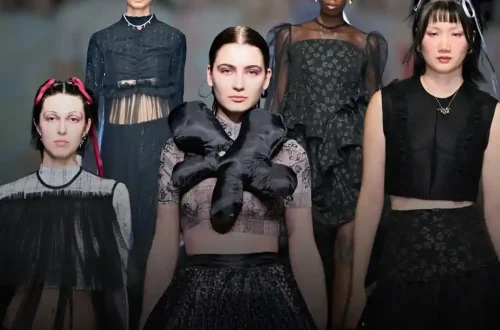
This commitment eventually distinguished her from countless designers entering the industry during the same era. Her collections combined feminine silhouettes with vintage-inspired prints, Victorian influences, bohemian aesthetics, punk culture, and global artistic traditions. The resulting visual identity became unmistakably Anna Sui.
Finding Inspiration Everywhere
One of Anna Sui’s most enduring messages is that inspiration has no boundaries. She believes creative ideas rarely emerge from a single source. Instead, they develop through continuous exposure to different experiences, cultures, artistic disciplines, and historical references.
Fashion designers constantly observe the world around them. A walk through an unfamiliar city, a museum exhibition, an old photograph, a classic novel, or even a conversation can spark an entirely new design direction. According to Sui, these moments accumulate over time, forming a creative library that designers draw upon throughout their careers.
Rather than fearing outside influence, she encourages creatives to embrace it responsibly. Inspiration should never involve direct imitation or copying another artist’s work. Instead, it should encourage reinterpretation and innovation. Two designers may admire the same historical period or cultural movement yet produce completely different collections because each brings unique experiences, emotions, and artistic perspectives.
This philosophy helps explain why fashion continually evolves despite recurring influences. Designers revisit familiar themes while introducing fresh interpretations that reflect contemporary audiences.
Why Originality Comes From Personal Perspective
In today’s digital environment, originality is often misunderstood. Many believe creating something original means avoiding all external influences. Anna Sui presents a different perspective. She argues that originality comes from how individuals combine influences rather than whether influences exist.
Every creative professional develops personal preferences shaped by childhood experiences, travel, education, relationships, hobbies, music, films, and visual culture. These experiences create an internal creative filter unique to each person.
When designers gather inspiration from multiple sources, they naturally interpret ideas differently. Their backgrounds influence decisions about colors, textures, fabrics, silhouettes, styling, and storytelling. The final collection becomes an extension of the designer’s identity rather than a reproduction of someone else’s work.
This understanding has helped Anna Sui maintain a distinctive creative voice throughout changing fashion eras. While trends have shifted dramatically over four decades, her collections consistently reflect her recognizable aesthetic because they originate from genuine personal interests.
Fashion as Storytelling
Beyond clothing itself, Anna Sui views fashion as a form of storytelling. Every collection begins with a narrative that guides creative decisions from initial sketches to runway presentations.
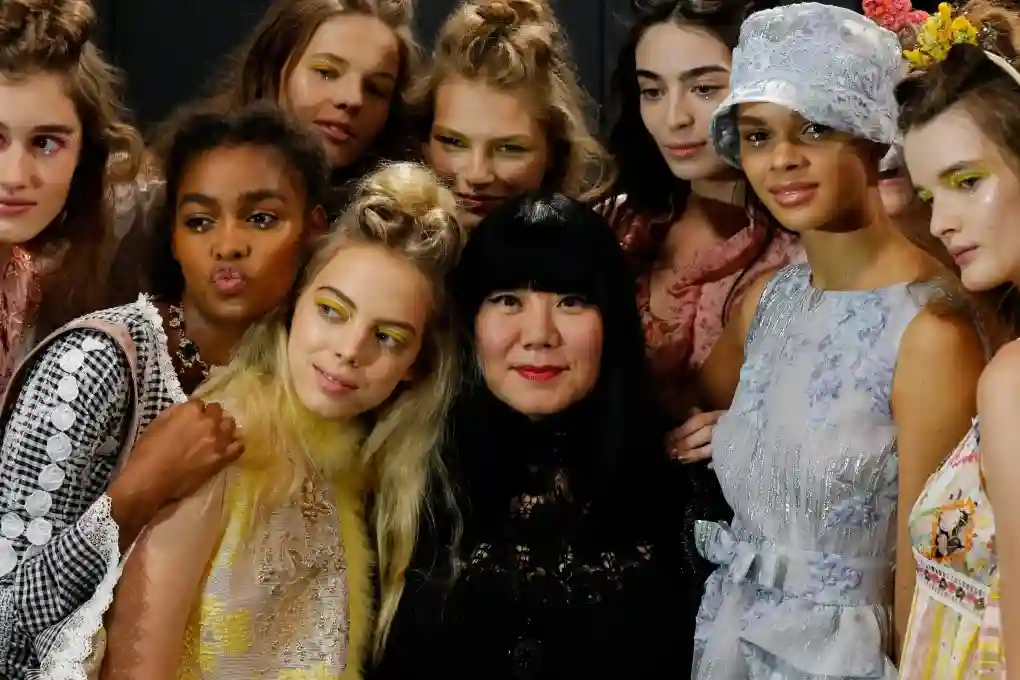
Some collections draw inspiration from historical periods, while others explore mythology, music, literature, cinema, travel destinations, or artistic movements. Rather than simply designing garments, Sui constructs complete visual worlds that immerse audiences in a specific mood or experience.
This storytelling approach extends beyond fabric selection and garment construction. Makeup, hairstyles, accessories, runway music, set design, and photography all contribute to communicating the collection’s central theme.
Storytelling enables fashion to become emotionally meaningful. Consumers often connect with clothing because it reflects personal aspirations, memories, or identities. By creating coherent narratives, designers transform garments into expressions of imagination rather than functional products alone.
For emerging designers, this lesson emphasizes the importance of developing concepts before focusing solely on technical execution.
The Influence of Music, Art, and Culture
Throughout her career, Anna Sui has openly acknowledged the profound influence of music and visual arts on her creative process. Rock music, punk culture, vintage fashion, photography, graphic design, and contemporary art have consistently shaped the mood of her collections.
Music in particular influences color palettes, textures, styling choices, and emotional atmosphere. Different musical genres evoke distinct visual identities that designers can reinterpret through clothing. Similarly, museum exhibitions and historical artworks introduce new perspectives regarding composition, craftsmanship, ornamentation, and symbolism.
Travel also expands creative possibilities by exposing designers to unfamiliar architecture, traditional textiles, local craftsmanship, and regional fashion practices. Rather than copying cultural elements directly, responsible designers study these influences respectfully while recognizing their historical significance.
Sui’s approach demonstrates that creativity flourishes when designers remain lifelong learners. Every new experience becomes another opportunity to expand artistic understanding.
Staying Authentic in a Fast-Changing Industry
The fashion industry has changed dramatically since Anna Sui launched her label. Digital marketing, social media influencers, livestream runway shows, online retail, artificial intelligence, and fast fashion have transformed how collections are created, promoted, and consumed.
These developments offer exciting opportunities while creating new pressures. Designers now face constant demands to produce content, respond to trends quickly, and maintain visibility across multiple digital platforms.
Despite these changes, Sui continues emphasizing authenticity over short-term popularity. She believes designers should remain committed to their creative identities instead of allowing algorithms or viral trends to dictate artistic decisions.
This philosophy has contributed significantly to her longevity. Consumers increasingly appreciate brands with clear identities and consistent creative values. Rather than constantly reinventing herself to match temporary trends, Anna Sui has evolved naturally while preserving the artistic signature that defines her work.
Her career illustrates that authenticity often proves more sustainable than chasing fleeting moments of attention.
Creativity Requires Curiosity and Continuous Learning
Perhaps one of Anna Sui’s most valuable lessons is that creativity is never static. Successful designers continually seek new knowledge, explore unfamiliar subjects, and remain curious about the world.
Curiosity encourages experimentation. It motivates designers to read widely, visit exhibitions, study history, observe architecture, appreciate craftsmanship, and engage with different cultures. Every experience expands the creative vocabulary available for future projects.
This lifelong learning mindset distinguishes enduring creative professionals from those who rely solely on existing formulas. Innovation rarely appears spontaneously. Instead, it develops gradually through years of observation, practice, reflection, and refinement.
Anna Sui’s enduring influence demonstrates that inspiration is not a finite resource but an ongoing process of discovery. By remaining open to new experiences while staying true to personal vision, designers can create work that resonates across generations.
Anna Sui’s Lasting Influence on Modern Fashion
Few designers achieve lasting recognition without influencing the next generation, and Anna Sui is among the rare creatives whose work continues to inspire established and emerging designers alike. Her collections have consistently demonstrated that fashion is more than clothing—it is a visual language capable of expressing culture, emotion, personality, and history simultaneously. Rather than limiting herself to one signature style, Sui has built a career around blending diverse influences into cohesive collections that feel both nostalgic and contemporary.
Many young designers studying fashion today cite Anna Sui as an example of someone who remained authentic despite decades of changing trends. Her willingness to embrace vintage fashion, music, literature, and art encourages aspiring creatives to explore their own interests instead of following whatever is currently popular. This philosophy has become increasingly valuable in an era where social media often rewards speed over originality.
Fashion schools also continue using Sui’s collections to demonstrate how storytelling can elevate design. Every runway presentation becomes an immersive experience where garments, styling, music, lighting, and set design work together to communicate a central theme. This holistic approach reminds future designers that successful collections begin with a compelling narrative rather than individual pieces of clothing.
Creativity in the Age of AI and Social Media
Today’s fashion industry operates in a vastly different environment than when Anna Sui launched her label. Artificial intelligence can generate mood boards, assist with pattern creation, predict consumer preferences, and even produce digital fashion concepts within minutes. Meanwhile, platforms such as Instagram, Pinterest, TikTok, and emerging digital communities expose designers to millions of images every day.
While these technologies offer tremendous opportunities, they also present new creative challenges. Constant exposure to trends can unintentionally encourage imitation instead of innovation. Designers may feel pressure to create content that performs well online rather than work that reflects their artistic identity.
Anna Sui’s philosophy offers an important reminder that technology should serve creativity—not replace it. Digital tools can accelerate research and streamline workflows, but genuine creativity still depends on human imagination, emotional intelligence, cultural understanding, and personal experience. Algorithms can identify patterns, yet they cannot replicate the unique perspective that develops through years of observation, experimentation, and artistic growth.
For aspiring designers, this means embracing technology while remaining committed to cultivating an individual creative voice. Inspiration should be collected thoughtfully, interpreted personally, and transformed into something that contributes new ideas to the fashion conversation.
The Importance of Mental Wellness for Creative Professionals
Creativity is often associated with passion and imagination, but it also requires resilience. Fashion designers frequently work under demanding deadlines, manage complex production schedules, oversee creative teams, and respond to constant public scrutiny. These pressures can affect both productivity and personal well-being if left unmanaged.
Many successful designers emphasize that maintaining creativity requires taking care of mental health just as seriously as developing technical skills. Adequate rest, balanced routines, physical activity, meaningful relationships, and opportunities to disconnect from constant digital stimulation all contribute to sustained creative performance.
For individuals working in highly creative industries, access to educational resources and wellness support can be equally valuable. Readers interested in learning more about maintaining emotional well-being and supporting mental resilience can explore the Ragers Club Mental Health Collection, which offers resources centered on promoting overall wellness. Supporting mental health not only benefits personal well-being but also helps creatives continue producing meaningful and innovative work throughout their careers.
By recognizing the connection between emotional wellness and creative performance, designers can build careers that are both artistically fulfilling and personally sustainable.
Lessons Every Aspiring Fashion Designer Can Learn
Anna Sui’s career offers valuable lessons that extend far beyond the fashion industry. One of her greatest strengths has been her ability to remain curious. Rather than limiting herself to fashion references alone, she continuously explores music, art, literature, architecture, travel, photography, and cultural history. This broad curiosity allows her creative work to remain fresh while maintaining a recognizable identity.
Another important lesson involves patience. Building a respected fashion label rarely happens overnight. Anna Sui spent years refining her craft before gaining international recognition. Her journey demonstrates that meaningful success often results from consistent improvement rather than immediate popularity.
Emerging designers can also learn the importance of developing a personal aesthetic. While trends naturally influence every generation, lasting brands are built upon clear creative identities. Consumers remember designers whose work communicates authenticity and confidence instead of constantly changing to match temporary market preferences.
Finally, Sui’s career reinforces the importance of respecting inspiration without copying others. Fashion evolves through reinterpretation rather than imitation. Designers who understand history while contributing original perspectives help move the industry forward.
Why Timeless Fashion Continues to Matter
Fashion is often associated with seasonal change, yet the industry’s most influential designers consistently create work that remains relevant long after individual collections leave the runway. Anna Sui’s success illustrates that timeless fashion emerges when creativity is driven by authentic storytelling rather than short-term commercial trends.
Consumers increasingly value craftsmanship, sustainability, and emotional connection when choosing clothing. Pieces that reflect thoughtful design often remain meaningful for years, encouraging more responsible consumption and reducing dependence on disposable fashion.
Timeless fashion also preserves cultural heritage. By referencing historical garments, artistic movements, and traditional craftsmanship, designers help introduce new generations to important creative traditions while presenting them in modern contexts.
Anna Sui’s collections demonstrate that honoring the past does not prevent innovation. Instead, historical knowledge provides a strong foundation for creating fresh ideas that resonate across different audiences and generations.
Looking Toward the Future of Fashion Creativity
The future of fashion will likely combine traditional craftsmanship with emerging technologies in increasingly sophisticated ways. Artificial intelligence, virtual fashion shows, digital garments, sustainable materials, and advanced manufacturing techniques will continue reshaping how clothing is designed and experienced.
Despite these innovations, the industry’s greatest competitive advantage will remain human creativity. Designers capable of telling meaningful stories, understanding cultural shifts, and expressing authentic perspectives will continue distinguishing themselves from automated systems.
Anna Sui’s philosophy offers valuable guidance for this future. Inspiration should remain limitless, curiosity should never disappear, and originality should always stem from personal interpretation rather than replication. As fashion becomes more technologically advanced, these human qualities may become even more valuable.
Future generations of designers will undoubtedly work with tools unavailable today, yet the fundamental principles of creativity are unlikely to change. Observation, imagination, craftsmanship, and emotional connection will remain the foundation of exceptional design.
Conclusion
Anna Sui’s remarkable career demonstrates that genuine creativity cannot be confined by trends, technology, or industry expectations. Through decades of innovation, she has shown that inspiration exists everywhere—from art galleries and music venues to historical archives, architecture, literature, and everyday experiences. Her willingness to transform diverse influences into collections that feel unmistakably her own has established her as one of fashion’s most enduring creative voices.
Her perspective offers valuable lessons for designers, artists, entrepreneurs, and anyone pursuing creative work. Originality is not achieved by avoiding inspiration but by interpreting it through personal experience and imagination. Authenticity, curiosity, continuous learning, and resilience remain the defining qualities of lasting creative success.
As the fashion industry enters an era shaped by artificial intelligence, digital transformation, and evolving consumer expectations, Anna Sui’s philosophy remains as relevant as ever. Technology will continue changing how fashion is created, but it cannot replace the human capacity for storytelling, emotional connection, and artistic vision. Those who embrace inspiration while remaining true to their unique perspectives will continue shaping the future of fashion for generations to come.
References
- The Business of Fashion. (2026). A legendary designer’s take on creativity and influence.
- Council of Fashion Designers of America. (n.d.). Anna Sui designer profile.
- The Metropolitan Museum of Art. (n.d.). The Costume Institute.
- Parsons School of Design. (n.d.). Alumni achievements.
- Vogue. (n.d.). Anna Sui collections and fashion archive.