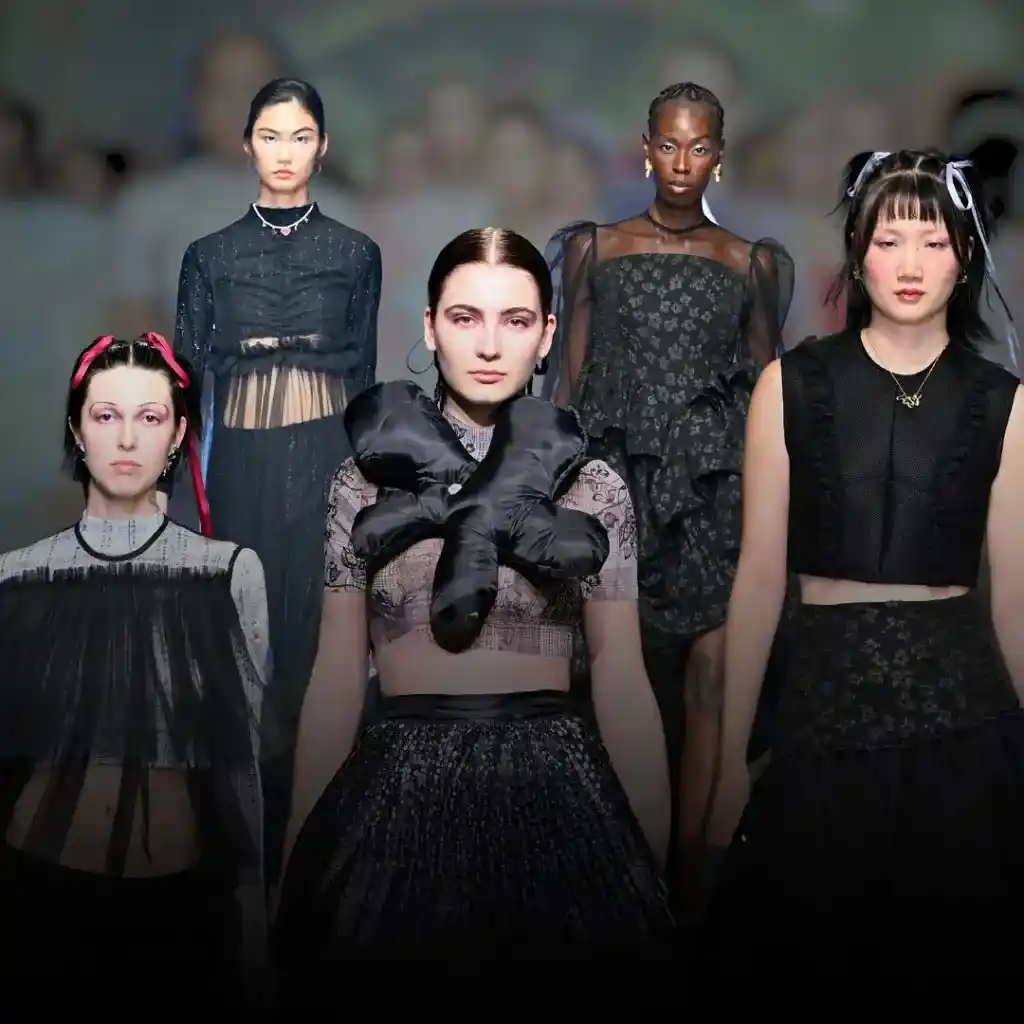
Vancouver’s fashion scene is gaining renewed attention as local designers, models, artists, and creative professionals come together for The Vancouver Project, an event celebrating fashion, art, and community. More than a runway showcase, the project highlights the creativity developing within Vancouver’s fashion industry and provides an opportunity for emerging designers to bring their ideas to a wider audience.
Fashion competitions and collaborative runway events can play an important role in a city’s creative ecosystem. They give designers an opportunity to present original work, allow models to interpret those designs on the runway, and create connections between people working across different areas of the creative industry. The Vancouver Project reflects that broader movement, putting local talent at the center of the conversation about where Vancouver fashion is heading.
The event arrives at a time when Vancouver’s fashion community is increasingly exploring the relationship between design, sustainability, culture, art, and community. Recent local initiatives have similarly focused on connecting designers and community members while creating platforms for sustainable and emerging fashion. UBC’s Community-University Engagement Support Fund, for example, has supported Slow Fashion Season, an initiative bringing together local artisans, professional designers, students, and community members through fashion shows, exhibitions, workshops, and other events.
The Vancouver Project Puts Local Creativity in Focus
At the heart of The Vancouver Project is a simple but increasingly important idea: local fashion talent deserves a platform. Rather than relying exclusively on established international fashion houses, events centered on emerging designers give audiences a chance to discover new perspectives and creative voices.
The project has been promoted as a new runway series celebrating the designers, creatives, and culture shaping Vancouver fashion. That positioning is significant because Vancouver has a diverse creative community whose influence extends beyond traditional fashion design. Photographers, stylists, makeup artists, models, visual artists, producers, and other creatives all contribute to the way fashion is presented and experienced.
A fashion competition brings these different disciplines together in one environment. A designer may create the garment, but the final presentation depends on the model wearing it, the styling surrounding it, the lighting and photography capturing it, and the audience interpreting it. The result becomes a collaborative creative statement rather than simply an individual piece of clothing.
Emerging Designers Get a Chance to Be Seen
For emerging designers, visibility can be one of the biggest challenges in building a career. Creating a collection requires imagination, technical skills, time, and resources, but having an opportunity to present that work to an audience can be equally important.
Fashion competitions can help bridge that gap. A runway provides designers with a setting where their work can be experienced as a complete collection rather than as individual pieces displayed online. Movement, fabric, silhouette, styling, and presentation can all become part of the design story.
This kind of exposure can also help designers build professional relationships. Fashion is an interconnected industry, and one successful presentation can lead to opportunities involving collaborations, photography, editorial features, modeling, retail, or future runway appearances.
For Vancouver’s emerging designers, being part of a project that specifically celebrates local talent can therefore represent more than a single event. It can become part of a larger professional journey.
Models Are an Essential Part of the Creative Process
While designers naturally receive much of the attention during fashion competitions, models play an equally important role in bringing collections to life.
A garment can look completely different when it moves down a runway. The way a model walks, poses, moves, and interacts with the clothing can influence how an audience understands the designer’s vision. Models become performers as well as presenters, helping transform a static design into a visual experience.
Vancouver continues to have opportunities for local and visiting models through fashion events, casting calls, and runway projects. Current casting activity in the Vancouver area demonstrates continued demand for models for fashion events and runway productions.
For newer models, participating in local fashion events can also provide valuable experience. Runway work teaches models how to work with designers, photographers, stylists, production teams, and other professionals. These connections can become important stepping stones as they develop their portfolios and careers.
Fashion and Art Continue to Overlap
The Vancouver Project’s emphasis on fashion, art, and community reflects a broader reality: fashion has never existed entirely on its own.
Clothing can communicate identity, culture, emotion, history, and personal expression. Designers often draw inspiration from architecture, music, painting, photography, nature, heritage, and contemporary social issues. When these influences come together, a runway can become a form of visual storytelling.
Vancouver has a history of creative projects that explore fashion and textiles through artistic and cultural perspectives. The Vancouver Biennale, for example, has highlighted projects involving textile traditions and collaboration between artists and diverse cultural communities. One project explored Canadian prayer rugs through multicultural perspectives and textile traditions, demonstrating how fabric and design can carry stories about identity and community.
This intersection makes local fashion events particularly interesting. A competition does not simply ask which outfit looks the best. It can encourage audiences to consider the ideas, techniques, influences, and stories behind each collection.
Community Is Becoming an Important Part of Fashion
The idea of community is increasingly important within Vancouver’s fashion landscape. Designers are not working in isolation. They depend on creative networks that include models, photographers, makeup artists, stylists, manufacturers, retailers, event organizers, educators, and audiences.
Local fashion events create spaces where these groups can interact. They can also make fashion feel more accessible to people who may not traditionally see themselves as part of the industry.
This community-driven approach is especially relevant as conversations around sustainable fashion continue to grow. Local initiatives such as Slow Fashion Season have focused on circularity, repair, clothing swaps, sustainable design, and community participation. The project also aims to connect students, local artisans, professional designers, and community members around lower-impact alternatives to fast fashion.
The movement suggests that the future of fashion may not be defined solely by large international brands. Local designers and creative communities can also influence how people think about clothing, consumption, sustainability, and personal style.
Vancouver’s Fashion Identity Continues to Evolve
Vancouver has a distinctive position within the Canadian fashion landscape. The city combines a strong connection to nature with an urban creative culture, multicultural communities, and a growing interest in sustainability. These characteristics can influence the work produced by local designers.
The city’s fashion identity is also shaped by its diverse cultural communities. This diversity can introduce different aesthetics, textile traditions, techniques, and approaches to design.
Vancouver Indigenous Fashion Week provides one example of how fashion can become a platform for cultural expression and community. Since its launch in 2017, the event has provided a space for Indigenous designers to present contemporary designs while connecting fashion with community, culture, and important social conversations. Vogue has described the event as a platform created by and for Indigenous people, highlighting the role fashion can play in fostering community and cultural expression.
Events such as The Vancouver Project contribute to this larger creative environment by giving designers and other creatives opportunities to experiment, collaborate, and introduce their work to new audiences.
Why Local Fashion Competitions Matter
Fashion competitions are valuable because they encourage creativity and give emerging talent a reason to push beyond familiar ideas. Designers know they are presenting their work in a competitive environment, which can encourage experimentation with materials, silhouettes, construction, styling, and presentation.
For audiences, competitions can also make fashion more engaging. Instead of simply viewing clothing in a store or scrolling through images online, attendees get to see collections presented in a live environment.
There is also an educational element. People who attend local fashion events can learn more about how garments are developed and presented. They may discover designers they had never encountered before or gain a better understanding of the amount of creativity and work involved in producing a collection.
For the designers themselves, the experience can be equally valuable. Feedback from audiences and industry professionals can help them understand how their work is perceived and where they might take their creative direction next.
Fashion Can Support Personal Expression and Well-Being
Fashion is often discussed in terms of trends, business, and appearance, but clothing can also play a role in personal identity and self-expression. What someone wears can influence how they present themselves and how they feel in different environments.
That connection between appearance, confidence, and well-being is part of a larger conversation happening across the lifestyle industry. While fashion itself should not be treated as a substitute for professional health care, taking care of personal well-being can complement a lifestyle centered on creativity and self-expression.
For readers interested in exploring wellness resources alongside their lifestyle interests, Ragers’ Mental Health Collection features health-related products and services focused on mental health and wellness. The collection currently lists products including Propranolol, Trazodone, Hydroxyzine, NAD+ Injection, NAD+ Nasal Spray, and Oxytocin Nasal Spray.
Because some products in the collection are prescription-related, readers should consult an appropriately qualified healthcare professional before considering any medication or treatment. Ragers states that its platform provides access to telehealth services through independent licensed medical providers, with prescriptions issued only when medically appropriate.
For a fashion audience, the connection is ultimately about recognizing that personal style is only one part of a person’s overall lifestyle. Creativity, confidence, community, and well-being can all contribute to how people experience fashion and express themselves.
A Platform for the Next Generation of Designers
The most exciting aspect of The Vancouver Project may be its potential to introduce audiences to designers who could become important voices in Vancouver fashion.
Every established designer begins somewhere. Before a collection appears in major publications or reaches international audiences, there is often a smaller runway, competition, exhibition, or community event where the designer first takes a creative risk.
Providing those opportunities matters because emerging talent needs more than inspiration. Designers need places to show their work, meet collaborators, receive feedback, and build credibility.
The same is true for models and other creative professionals. A local fashion event can give them an opportunity to develop their skills and create professional connections while contributing to the city’s creative culture.
What the Future Could Look Like for Vancouver Fashion
As Vancouver’s fashion community continues to evolve, events that combine design, art, and community could become increasingly important. The future of the city’s fashion industry may be shaped by designers who are willing to experiment with new materials, cultural influences, sustainable practices, and unconventional approaches to presentation.
Sustainability is likely to remain an important part of that conversation. Local initiatives are already exploring repair, upcycling, clothing swaps, circular fashion, and lower-impact alternatives to traditional fashion consumption.
At the same time, cultural representation and collaboration can help Vancouver develop a fashion identity that feels distinctly its own. Rather than simply following trends established elsewhere, local designers have an opportunity to draw inspiration from the city itself.
That could mean combining modern design with traditional techniques, incorporating locally relevant themes, experimenting with sustainable materials, or creating collections that reflect Vancouver’s multicultural character.
The Spotlight Is Shifting to Local Talent
The Vancouver Project arrives at an interesting moment for Vancouver fashion. As audiences increasingly look for authenticity, originality, and meaningful creative experiences, local designers have an opportunity to make a stronger impression.
A fashion competition may last only for an evening, but its impact can extend much further. A designer may gain a new client. A model may make an important industry connection. A photographer may discover a new creative collaborator. An audience member may discover a designer whose work becomes a future favorite.
That is the value of local fashion events. They create opportunities for people to meet, collaborate, experiment, and celebrate creativity.
The Vancouver Project therefore represents more than a runway. It reflects the growing importance of local talent and the role that fashion can play in connecting design, art, culture, and community. As Vancouver continues to develop its creative identity, events that put emerging designers and models in the spotlight can help shape what comes next.
For the designers taking part, the runway is an opportunity to be seen. For the audience, it is an opportunity to discover something new. And for Vancouver’s fashion community as a whole, it is another step toward building a creative industry where local talent has room to grow, experiment, and make its mark.
Sources and References
The Vancouver Project — LaSalle College Vancouver
The Vancouver Project on Instagram
UBC Community Engagement — Slow Fashion Season
Meet the 2025 Recipients of UBC’s Community-University Engagement Support Fund
Vogue — Vancouver Indigenous Fashion Week
At Vancouver Indigenous Fashion Week, Red Dresses Carried a Powerful Message
Vancouver Biennale — Weaving Cultural Identities
Weaving Cultural Identities
Ragers — Mental Health Collection
Ragers Mental Health Collection
Ragers — Legal Notice and Telehealth Information
Ragers Legal Notice