In today’s fast-paced professional environment, appearance matters—but sometimes, what you wear can send the wrong message. While wearing luxury designer items may feel empowering or fashionable, it can unintentionally create negative perceptions in the workplace. Dressing in high-end brands can be interpreted as status-focused, insensitive, or even unprofessional, potentially affecting how colleagues, supervisors, and clients perceive you.
This article explores the subtle ways designer clothing impacts workplace dynamics, why it might hurt your professional image, and how to balance personal style with professional expectations.
The Allure of Designer Fashion at Work
Luxury fashion has always been associated with success, confidence, and influence. High-end brands such as Gucci, Louis Vuitton, Chanel, and Prada convey wealth and taste. Many professionals see designer clothing as a way to:
- Project authority and confidence
- Display personal success
- Stand out in corporate environments
However, this perception can backfire when colleagues interpret designer items as status signaling rather than skill or professionalism.
How Designer Clothing Shapes Perceptions
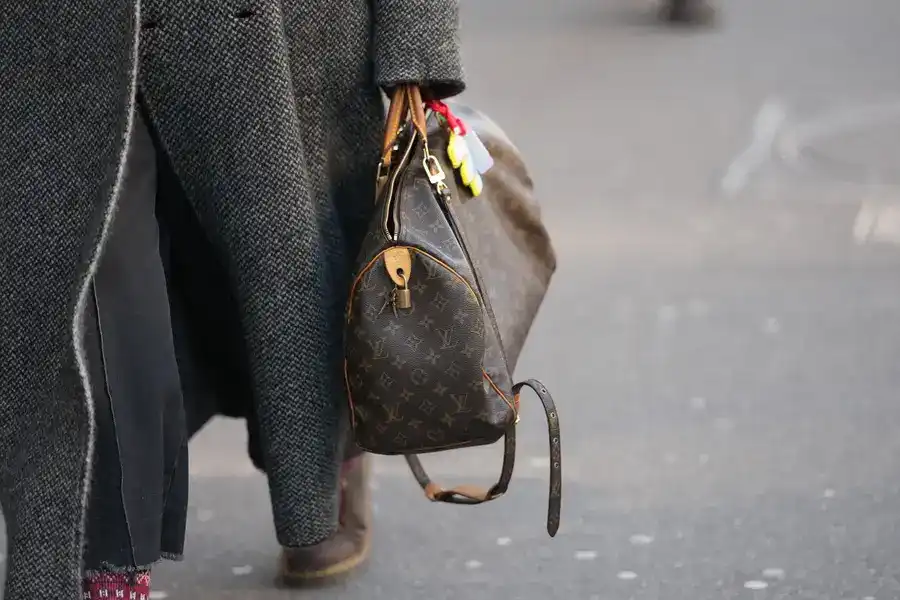
Workplace perception is subtle, yet powerful. Even small cues, such as a designer handbag or branded shoes, can influence how you are viewed. Experts in professional behavior note that dressing in luxury brands can create three main issues:
1. Perceived Insensitivity
When coworkers notice extravagant spending, especially in environments where others may be experiencing financial strain, it can create resentment or discomfort. Wearing items that cost hundreds or thousands of dollars may be seen as tone-deaf, particularly during times of company-wide budget cuts or economic uncertainty.
2. Focus on Status Over Substance
Luxury items can unintentionally communicate that status is a priority over performance. Colleagues and managers may interpret designer clothing as:
- Prioritizing image over work quality
- Trying to impress peers with wealth rather than contribution
- Being overly concerned with social hierarchy
This perception can subtly affect promotions, team dynamics, or client trust.
3. Distraction from Professional Skills
The goal in most workplaces is to highlight expertise, efficiency, and collaboration. Designer items can draw attention away from your abilities, shifting focus to what you’re wearing rather than what you’re accomplishing.
Case Studies and Real-World Examples
Several professionals have shared experiences where luxury fashion impacted workplace relationships:
- A marketing executive in New York reported that colleagues perceived her expensive handbags as “showing off” and less approachable.
- A tech startup employee noticed clients focused on his designer watches rather than project outcomes, which sometimes undermined discussions about skills.
- Corporate finance teams often favor subtle professionalism; ostentatious clothing has been linked to perceptions of arrogance.
These examples demonstrate that intentional or not, designer clothing sends a message beyond personal style.
Industries Where Designer Fashion Can Be Risky
While luxury fashion is common in certain sectors, such as fashion, entertainment, or luxury retail, it can be risky in others:
- Corporate and finance sectors – Conservative dress codes often favor subtlety over extravagance.
- Education and nonprofit organizations – High-end items may be seen as misaligned with mission-driven goals.
- Small businesses and startups – Startups often prioritize culture and team cohesion over outward status signals.
In these environments, designer clothing may alienate coworkers or create unintended hierarchy, affecting team collaboration.
Balancing Style and Professionalism
The key is expressing personal style without creating negative perceptions. Consider these strategies:
1. Invest in Quality, Not Logos
High-quality clothing doesn’t need visible logos. Tailored suits, classic blazers, or well-fitted dresses convey professionalism without overtly signaling wealth.
2. Prioritize Subtlety
Choose neutral colors and minimal embellishments. Subtle elegance often communicates taste and confidence more effectively than flashy designer pieces.
3. Mix Luxury Items with Affordable Staples
If you love designer brands, incorporate them thoughtfully. Pair a luxury accessory with classic, understated clothing to avoid drawing unnecessary attention.
4. Align with Workplace Culture
Observe how colleagues dress and adhere to company norms. Dressing slightly above the standard is acceptable, but ostentation can be counterproductive.
5. Focus on Skills and Presence
Remember that your work output, communication skills, and collaboration define your professional reputation more than any handbag or shoes.
Psychological Insights: Why We Wear Designer Brands
Understanding why people choose designer clothing can help manage workplace impressions. Experts note that designer fashion is often linked to:
- Status signaling – Showing success or aspiration
- Self-expression – Demonstrating style or individuality
- Confidence enhancement – Wearing luxury items can increase self-esteem
While these factors are valid, they must be balanced with context and social perception. At work, emphasizing skill and professionalism often outweighs visual symbols of status.
Risks of Overemphasizing Fashion at Work
- Damaged Professional Relationships – Colleagues may feel competitive or excluded.
- Reduced Credibility – Managers may prioritize tangible results over appearance.
- Potential Bias in Promotion Decisions – Perceived arrogance or inaccessibility can limit career advancement.
- Misaligned Brand Image – In client-facing roles, flashy attire may not align with company values.
By contrast, subtle, polished fashion choices support professional credibility and social cohesion.
Tips for Professionals Who Love Designer Fashion
If designer items are important to you, here’s how to integrate them without risking negative perceptions:
- Rotate Accessories – Instead of wearing all luxury items daily, rotate pieces strategically.
- Choose Functional Luxury – Items like high-quality watches or handbags that are understated yet elegant.
- Avoid Logo Overload – Wearing multiple branded items simultaneously can appear excessive.
- Be Mindful of Context – Consider meetings, client interactions, and company culture before wearing conspicuous items.
- Invest in Timeless Pieces – Classic luxury items (like leather bags or tailored coats) remain stylish without appearing flashy.
The Role of Company Culture
Company culture plays a significant role in shaping perceptions of fashion:
- Creative industries – Fashion, media, or entertainment may reward bold, designer choices.
- Corporate environments – Conservative clothing fosters trust, credibility, and cohesion.
- Team-oriented workplaces – Emphasis on egalitarianism and collaboration may make flashy designer items seem out of place.
Before investing heavily in designer fashion for work, assess your industry and team norms.
Conclusion
While designer clothing can boost confidence and signal style, it’s crucial to consider the unintended messages it may send in the workplace. Wearing luxury items can inadvertently create perceptions of status-seeking, insensitivity, or distraction from skills.
The most effective professional wardrobe balances personal style, workplace norms, and functionality. Subtle elegance, high-quality staples, and thoughtful accessory choices allow you to express yourself without compromising credibility.
Ultimately, in professional settings, your skills, work ethic, and interpersonal abilities define your reputation far more than any designer label. By integrating designer fashion strategically and mindfully, you can enjoy luxury without risking negative workplace impressions.