In 2026, fashion continues to favor restraint over excess, with understated style remaining one of the most consistent directions across both luxury and everyday wear. Instead of bold logos and highly trend-driven pieces, consumers are increasingly choosing clothing that feels timeless, versatile, and intentionally minimal.
This shift is closely tied to changing ideas about value. Rather than rotating through fast-moving trends, many people are investing in fewer pieces that prioritize construction, fabric quality, and long-term wear. The focus has moved from immediate visual impact to durability and subtle refinement.
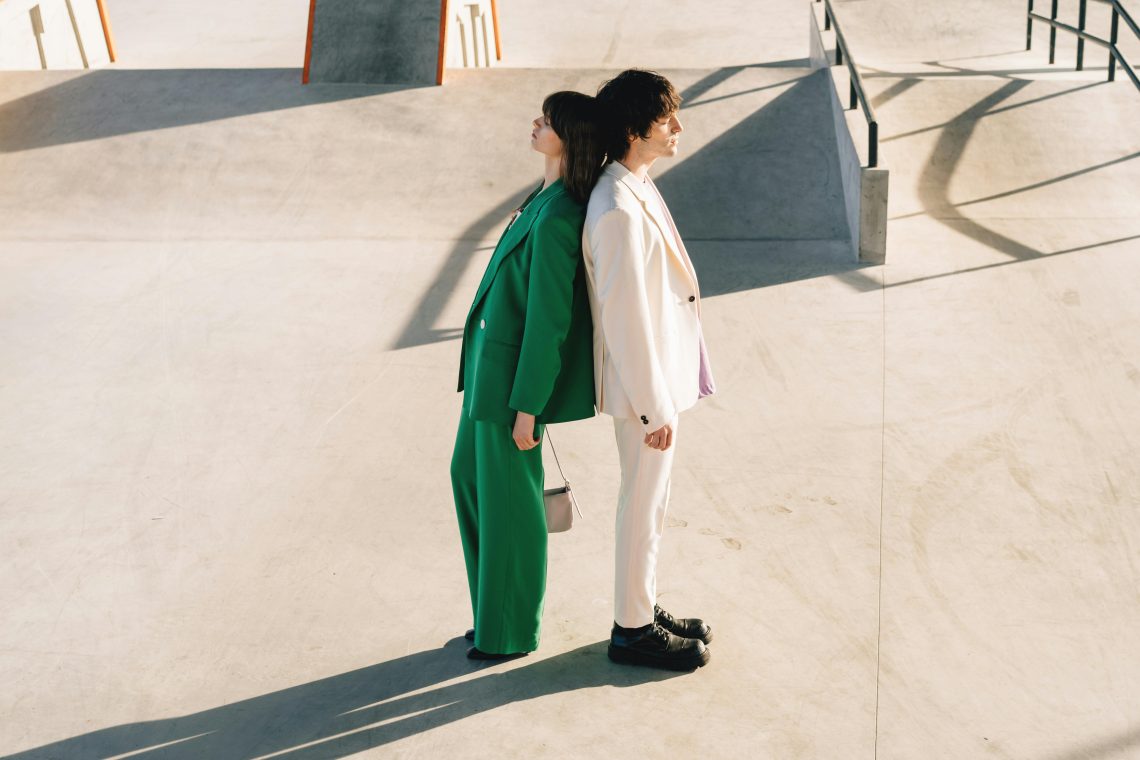
Neutral color palettes, clean silhouettes, and simple tailoring continue to define this aesthetic. These elements allow outfits to feel polished without relying on branding or overly complex design details. As a result, understated fashion has become adaptable across work, social, and casual settings.
Social media has played an interesting role in reinforcing this direction. While platforms are often associated with constant trend turnover, content centered on capsule wardrobes, minimalist outfits, and “wear-on-repeat” styling consistently gains strong engagement. The appeal lies in its practicality and realism compared to highly curated fashion content.
Public figures such as Hailey Bieber and Katie Holmes are often associated with this shift toward simplicity, frequently appearing in looks that emphasize structure, muted tones, and effortless styling rather than bold branding.
Fashion houses have also adjusted their approach. Many are leaning into heritage-inspired design, subtle detailing, and craftsmanship-focused marketing. Instead of relying on instantly recognizable logos, brands are increasingly emphasizing texture, silhouette, and material quality.
At the consumer level, this movement is also influenced by lifestyle changes. Many people are prioritizing wardrobes that reduce decision fatigue and support long-term use, rather than frequent replacements driven by short-lived trends. This has made versatility a key factor in purchasing decisions.
Sustainability conversations also intersect with this trend. While not the sole driver, the idea of buying less but better aligns with growing awareness around environmental impact and overconsumption in fashion.
Understated style is not about removing expression, but about refining it. It reflects a shift toward clothing that feels intentional rather than attention-seeking, where consistency and quality matter more than visibility.
The continued popularity of this aesthetic suggests that fashion is balancing two timelines at once: fast-changing micro-trends on one hand, and slower, more enduring style foundations on the other.