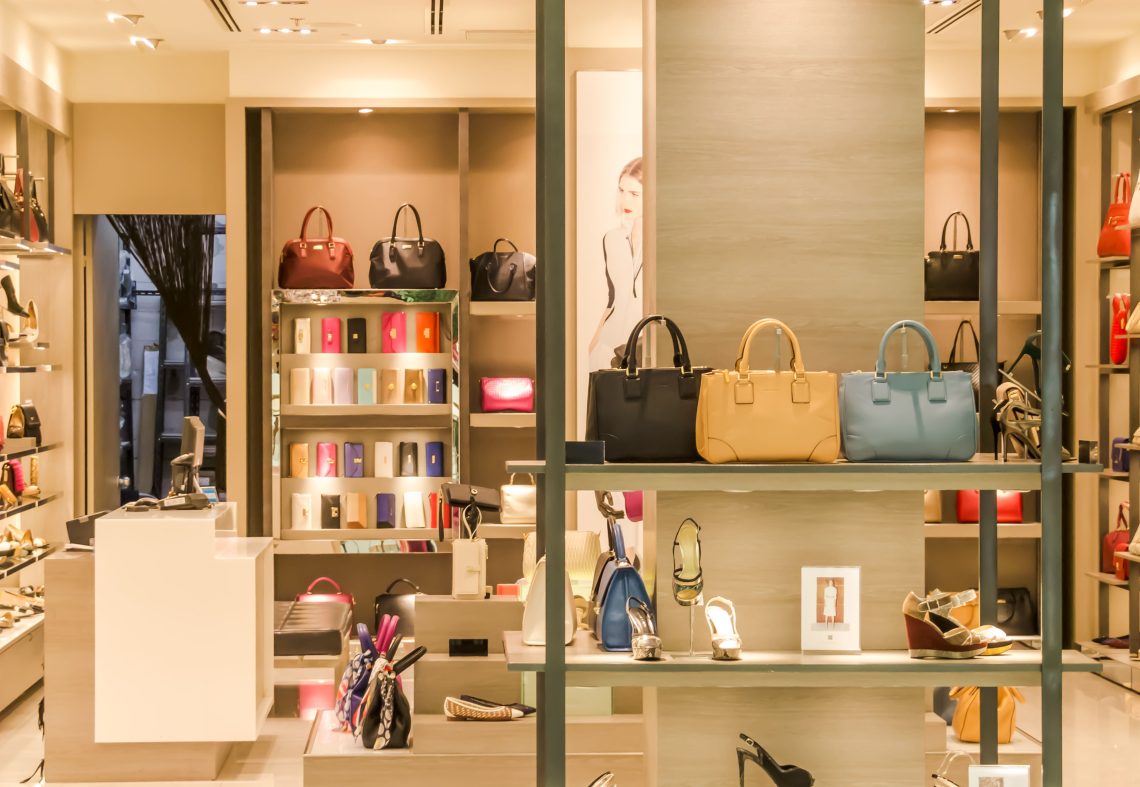
For decades, luxury was closely associated with fashion. Designer handbags, watches, jewelry, and exclusive clothing defined what many consumers considered premium products.
Today, the meaning of luxury is expanding.
High-end consumers are increasingly looking beyond traditional fashion categories and investing in experiences, wellness, technology, craftsmanship, collectibles, and products that reflect personal identity.
The future of luxury is becoming less about displaying wealth and more about creating value.
Modern luxury buyers are asking different questions. Instead of only considering how recognizable a brand name is, they are looking at quality, uniqueness, longevity, and personal meaning.
A luxury purchase is becoming less about following trends and more about owning something that feels intentional.
This shift has changed how luxury brands approach consumers.
One of the biggest growing categories is wellness. High-income consumers are increasingly investing in products and experiences that support health, longevity, and personal well-being.
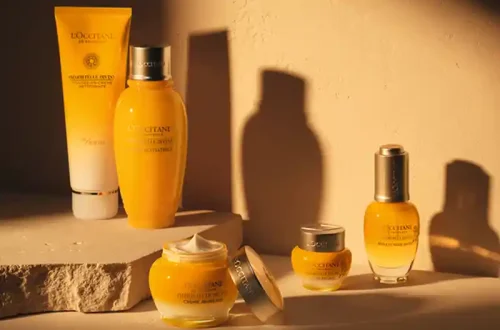
Luxury wellness now includes premium fitness experiences, personalized health programs, advanced skincare, recovery technology, and exclusive retreats.
The idea of luxury is moving from simply owning beautiful objects to improving quality of life.
This reflects a broader cultural change. Many consumers now view time, energy, and health as some of their most valuable resources.
Experiences have also become one of the fastest-growing areas of luxury. Travel, dining, entertainment, and private experiences are increasingly valued because they create memories rather than simply possessions.
Luxury consumers are showing greater interest in unique experiences that cannot easily be replicated.
Private travel, personalized events, exclusive memberships, and immersive experiences have become symbols of modern luxury because they offer access, customization, and connection.
Technology is another category transforming the luxury market. As digital innovation becomes part of everyday life, consumers are looking for technology that combines performance, design, and exclusivity.
Luxury technology includes premium devices, smart home systems, digital experiences, and products that blend advanced features with elegant design.
The strongest luxury technology products are not only functional—they create emotional value.
Craftsmanship and collectibles are also gaining importance. Many consumers are moving away from disposable purchases and toward items that feel timeless.
Rare artwork, specialty products, limited-edition releases, vintage pieces, and handcrafted goods appeal to buyers who value authenticity and history.
This represents a return to appreciation for skill and storytelling.
A product’s background, materials, and creation process are becoming increasingly important factors in luxury purchasing decisions.
Sustainability has also influenced the definition of premium value. Many luxury consumers are becoming more interested in responsible production, ethical sourcing, and products designed to last.
Quality and longevity are becoming connected to sustainability.
Instead of buying more items, some consumers are choosing fewer but better products that they believe will maintain value over time.
Personalization has become another major driver of luxury growth. Consumers increasingly want products and services designed specifically for them.
Customization, private consultations, and tailored experiences allow buyers to feel that their purchases reflect their individual preferences.
This desire for uniqueness is changing luxury from a standardized market into a more personal one.
The rise of digital communities has also influenced luxury behavior. Consumers now discover premium products through online platforms, creators, experts, and niche communities.
Influence is no longer controlled only by traditional luxury magazines or fashion houses.
Online conversations can introduce audiences to new luxury categories and redefine what feels desirable.
Younger generations are especially influencing this transformation. Many younger luxury consumers value experiences, creativity, sustainability, and personal expression alongside traditional status symbols.
For them, luxury is often connected to lifestyle rather than simply ownership.
This does not mean classic luxury categories are disappearing. Fashion, jewelry, and watches remain powerful symbols of craftsmanship and heritage.
Instead, the luxury market is expanding.
The future of luxury will likely combine traditional excellence with new forms of value.
The most successful luxury brands will understand that consumers are not only purchasing products.
They are purchasing identity, experiences, confidence, and a reflection of their personal values.
Luxury is becoming less about showing others what you have.
It is becoming more about investing in what matters most to you.
References
- Bain & Company – Global Luxury Market Research
- McKinsey & Company – Luxury Industry Consumer Trends Research
- Deloitte – Consumer Behavior and Premium Market Insights
- Boston Consulting Group – Luxury Consumer Trends Research
- Vogue Business – Luxury Industry Innovation and Market Analysis
- World Economic Forum – Sustainability and Consumer Value Research