Explore the truth behind luxury beauty products and whether high-end skincare is truly worth the investment. Discover ingredients, branding strategies, and real skincare value in this in-depth guide to luxury beauty, including insights on emotional wellness and self-care.
Luxury beauty has always carried a magnetic appeal. From elegant glass bottles to gold-trimmed packaging and exclusive formulas, high-end skincare products promise not only transformation but also status, indulgence, and emotional satisfaction. In a world where beauty routines are becoming more advanced and accessible, one question continues to dominate conversations: are luxury beauty products truly worth their high price tags?
To answer this, we must look beyond marketing and aesthetics. We need to understand ingredients, performance, branding psychology, and even emotional well-being. Luxury beauty is not just about skincare—it is about experience, identity, and self-perception.
The Emotional Allure of Luxury Beauty
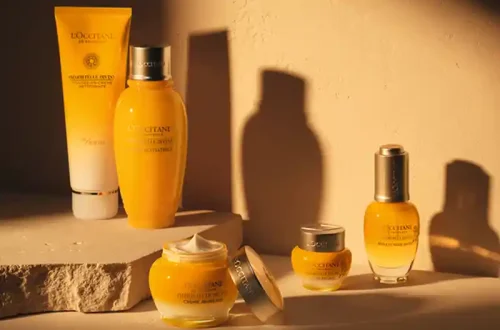
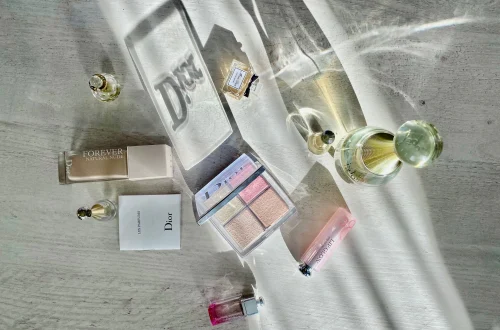
Luxury beauty products are designed to create emotion before they even touch your skin. The weight of the jar, the smooth twist of the cap, the subtle fragrance, and the refined packaging all work together to create a sense of indulgence.
This emotional design transforms skincare from a routine into a ritual. Many people don’t just apply a luxury cream—they experience it. This sense of ritual can reduce stress and increase consistency in skincare habits, which is often more important than the product itself.
Luxury beauty also taps into identity. Owning premium skincare can make users feel confident, successful, and refined. In this sense, the value of luxury beauty extends beyond skin results—it becomes part of a lifestyle.
What Defines a Luxury Beauty Product?
Luxury skincare is not defined only by price. It is a combination of branding, formulation, research, packaging, and exclusivity.
High-end brands often emphasize rare ingredients, scientific innovation, or heritage craftsmanship. Some highlight exotic botanical extracts, while others invest in biotechnology and patented complexes designed to improve skin performance.
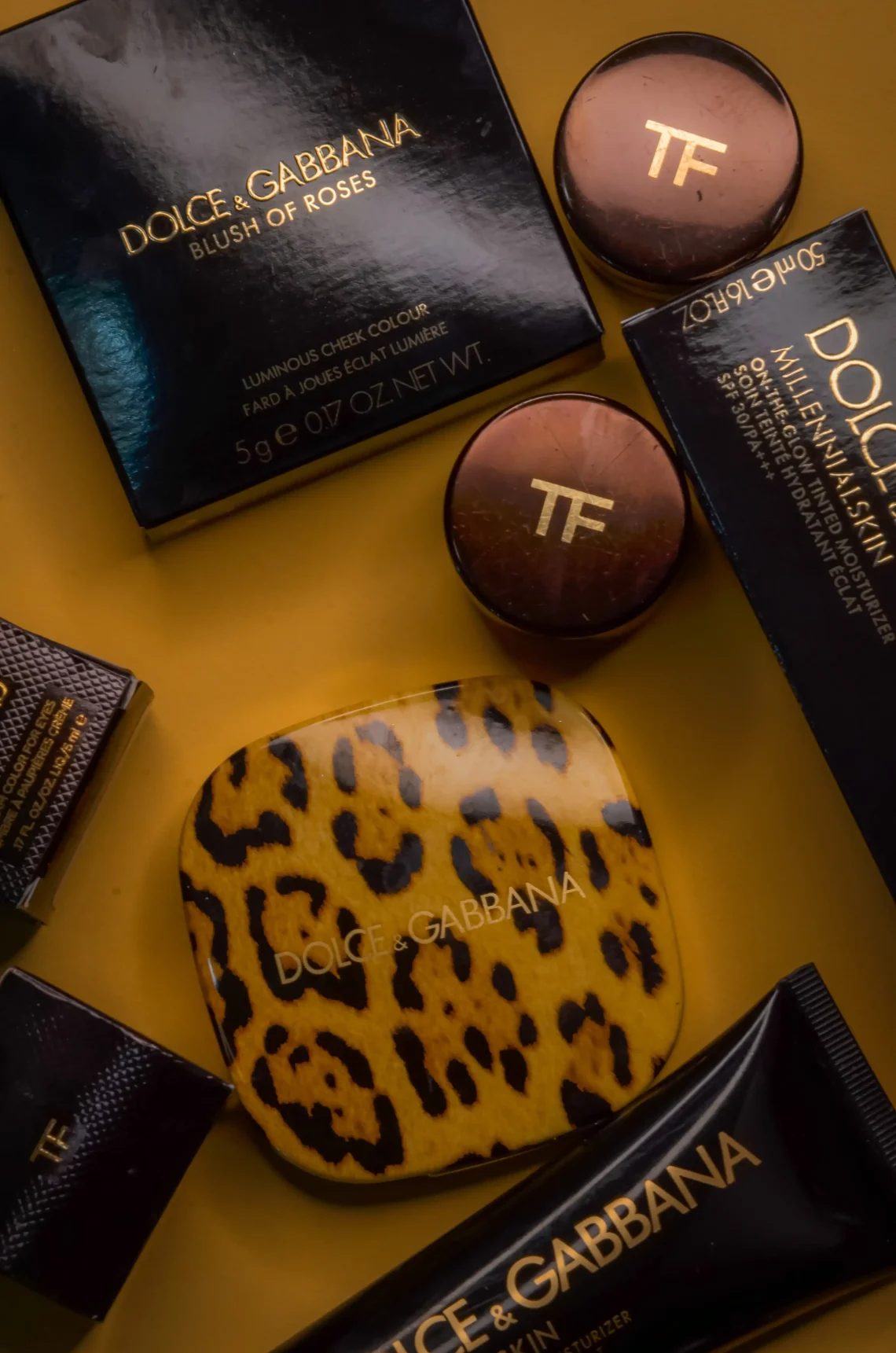
Packaging also plays a major role. Thick glass containers, magnetic closures, and elegant design all signal quality and exclusivity. These elements are carefully crafted to elevate perception even before the product is used.
However, perception does not always equal performance.
Ingredients: Is Luxury Really Different?
When we look at skincare scientifically, the most important factor is not branding but formulation. Ingredients such as hyaluronic acid, retinol, niacinamide, peptides, and vitamin C are widely used across both luxury and affordable products.
In many cases, luxury skincare contains similar active ingredients as mid-range or drugstore products. The difference often lies in concentration, supporting ingredients, and texture refinement rather than entirely unique science.
Luxury brands sometimes invest in advanced delivery systems that improve how ingredients absorb into the skin. They may also include rare extracts that enhance marketing appeal.
However, dermatologists consistently emphasize that consistent use of proven ingredients is more important than luxury branding. A simple, well-formulated product can often deliver results comparable to expensive alternatives.
What luxury products often excel at is sensory experience—texture, fragrance, and application comfort—which encourages long-term use.
The Psychology Behind Luxury Beauty
Luxury beauty is deeply tied to psychology. When people invest in expensive skincare, they expect better results. This expectation can influence perception, making improvements feel more noticeable even when changes are subtle.
This is closely related to the placebo effect, where belief enhances perceived outcomes.
Luxury skincare also creates emotional rewards. Using a premium product can feel like self-care, reward, or personal achievement. This emotional reinforcement encourages consistency, which is essential for any skincare routine to work effectively.
Even lifestyle factors play a role. Many users associate luxury beauty with wellness, balance, and even mental relaxation.
In fact, emotional well-being is increasingly recognized as part of overall beauty. Supporting mental health and stress reduction can indirectly improve skin health by reducing inflammation and hormonal imbalance.
For those interested in the connection between emotional wellness and self-care routines, resources such as Ragers Mental Health highlight how mental well-being and personal care often go hand in hand.
Are Luxury Beauty Products Actually Worth It?
The answer depends on what “worth it” means to you.
From a purely scientific perspective, luxury beauty products are not always superior. Many affordable skincare brands offer the same active ingredients and comparable results.
However, luxury beauty often excels in areas beyond raw effectiveness:
Luxury products frequently offer better texture, more refined application, and enhanced sensory experience. They also invest heavily in research, branding, and packaging, which contributes to the overall experience.
For many users, this emotional and sensory value is just as important as skin results.
When Luxury Beauty Is Worth the Investment
Luxury skincare can be worth it if you value experience as much as results. If your skincare routine is a form of self-care, relaxation, or emotional grounding, luxury products can enhance that ritual significantly.
They are also valuable for individuals with sensitive preferences for texture, fragrance, or application feel. Some high-end formulations are designed to be extremely gentle and dermatologist-tested.
Additionally, luxury beauty may be worth it for those who enjoy lifestyle branding and aesthetic consistency. The experience of using premium products can feel deeply satisfying.
When It Is Not Worth It
Luxury beauty may not be necessary if your primary focus is results-driven skincare on a budget.
Many affordable brands now offer clinically proven formulations that target acne, aging, and hyperpigmentation effectively. In these cases, ingredient selection and consistency matter far more than packaging or brand prestige.
If you prefer simple, functional skincare routines, luxury products may add cost without significantly improving outcomes.
The Rise of Conscious Beauty and Wellness Integration
The modern beauty industry is shifting. Consumers are becoming more informed and intentional with their purchases. There is a growing demand for transparency, sustainability, and emotional wellness integration.
Beauty is no longer just about appearance—it is about overall well-being. This includes mental health, stress management, and self-care practices that support both skin and mind.
This is why many modern self-care communities emphasize the connection between emotional health and beauty routines. Platforms such as Ragers Mental Health reflect this growing awareness that true beauty often begins from within.
Luxury brands are also evolving to reflect this shift, focusing more on wellness, clean formulations, and holistic beauty experiences.
Final Thoughts: Is Luxury Beauty Worth the Price?
Luxury beauty exists at the intersection of science, emotion, and identity.
From a clinical standpoint, it does not always outperform affordable skincare. But from an experiential standpoint, it offers something unique: ritual, pleasure, and emotional satisfaction.
The real value depends on your personal priorities.
If you value sensory experience, emotional well-being, and aesthetic luxury, then high-end skincare can absolutely be worth the investment. If your priority is purely skin improvement, there are many effective alternatives at lower price points.
Ultimately, beauty is not defined by price—it is defined by consistency, self-awareness, and choosing products that support both your skin and your well-being.