In 2026, luxury culture is becoming quieter, more controlled, and increasingly centered around perception rather than obvious display. Instead of loud logos, oversized branding, or highly recognizable status symbols, consumers are gravitating toward aesthetics that signal refinement through subtlety.
The shift reflects a broader evolution in how status is communicated online. In previous years, visibility often depended on recognizable designer branding and overt displays of wealth. But as social feeds became saturated with obvious luxury signaling, understated presentation began carrying more cultural value.
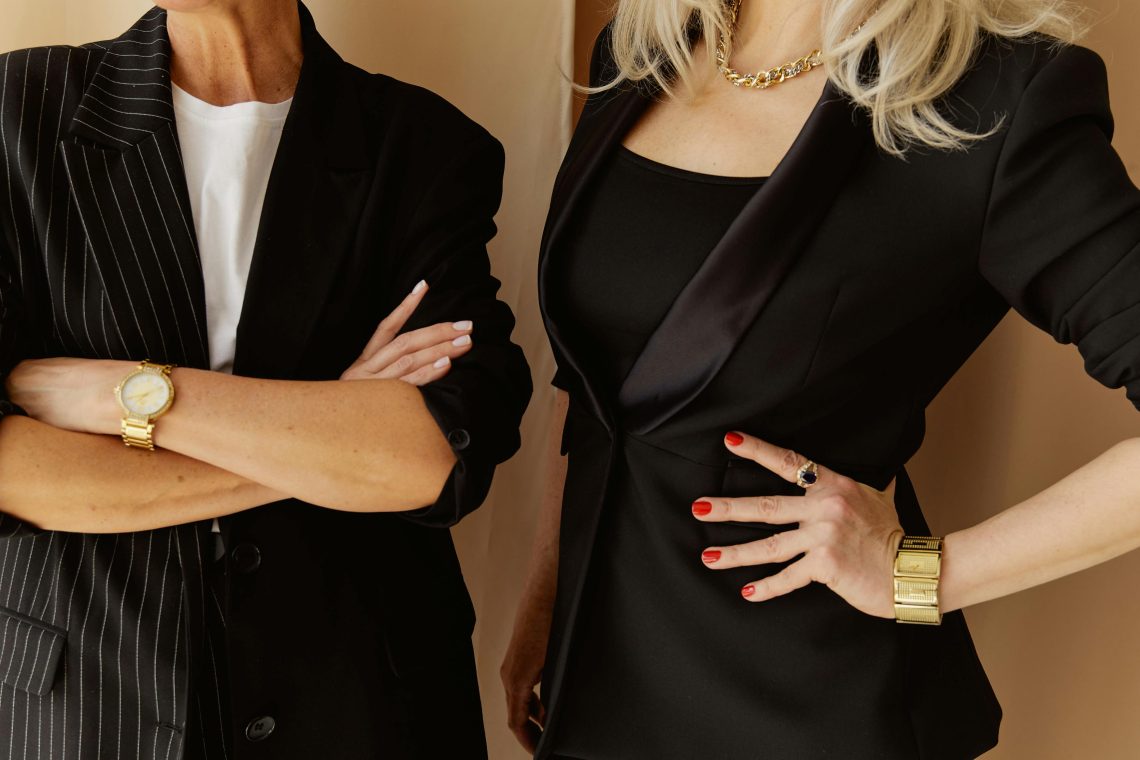
Today, “looking expensive” is less about showing what something costs and more about creating an overall impression of polish, restraint, and intentionality. Tailoring, neutral color palettes, clean silhouettes, quality materials, and minimal styling are increasingly associated with modern luxury aesthetics.
This approach works particularly well in digital environments. Quiet luxury translates smoothly across platforms because it relies on cohesion rather than excess. Instead of demanding attention immediately, it creates a perception of control and effortlessness that often feels more aspirational over time.
Consumers are also becoming more selective about what they buy and display publicly. In an era shaped by economic uncertainty and overstimulation, obvious status signaling can sometimes feel excessive or outdated. Subtle luxury, by contrast, appears more stable and timeless.
Fashion and beauty trends reinforce this shift. Structured basics, muted tones, polished grooming, and understated accessories consistently outperform louder trend-heavy aesthetics in long-term engagement and inspiration culture. The emphasis is on looking curated rather than overly styled.
Social media plays a major role in shaping these preferences. Platforms reward visuals that feel clean, calm, and aesthetically controlled. As a result, quiet luxury aesthetics often generate stronger save and repost behavior because they fit seamlessly into broader lifestyle aspiration content.
There is also a psychological layer behind the trend. Subtle luxury communicates exclusivity differently—it assumes recognition rather than demanding it. Instead of relying on visible logos, it signals taste through detail, fit, and consistency. That indirect approach often reads as more confident and culturally aware.
Importantly, this trend extends beyond fashion. Interior design, beauty, wellness, and even technology products are increasingly marketed through the language of minimalism, softness, and refinement rather than overt excess. The aesthetic of “effortless quality” now influences multiple industries simultaneously.
Ultimately, “Why Looking Expensive Matters More Than Ever” reflects a larger 2026 cultural shift: status is becoming less about visibility alone and more about controlled presentation, subtle cues, and the appearance of stability in an increasingly noisy digital environment.