In 2026, red carpet fashion continues to evolve at a pace dictated less by traditional editorial rules and more by digital reaction cycles. Yet amid constant experimentation, one aesthetic consistently outperforms the rest online: quiet luxury.
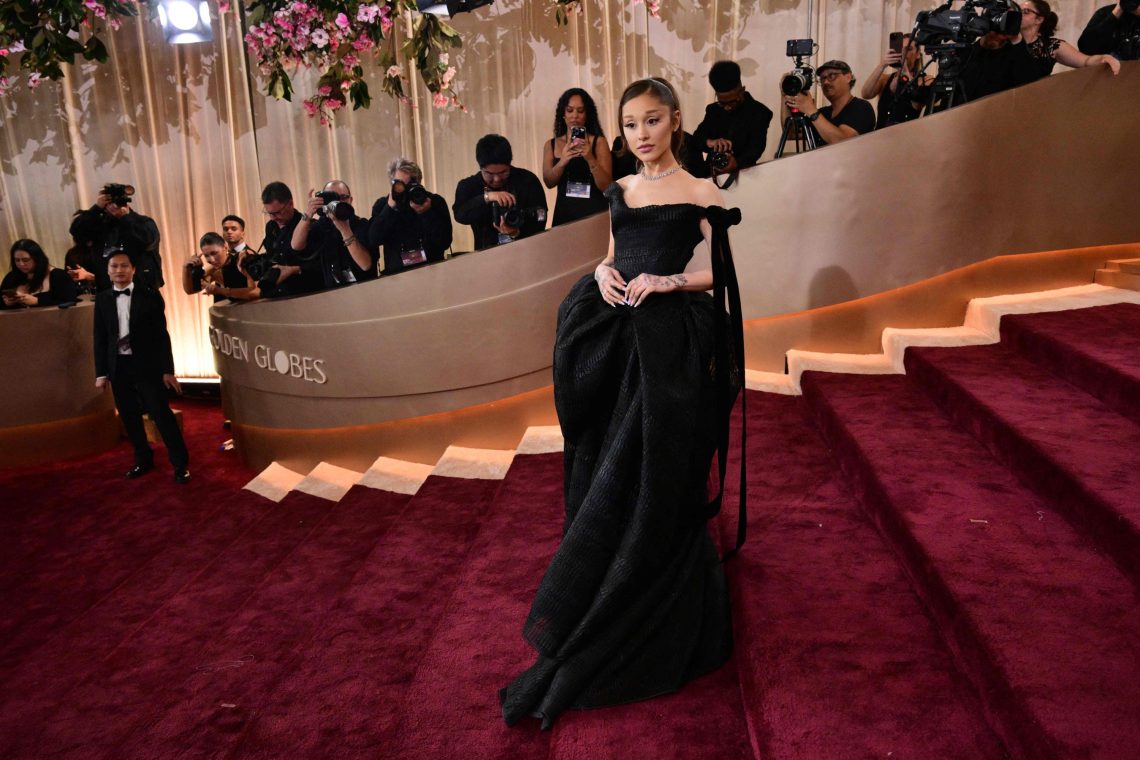
While bold styling, experimental silhouettes, and logo-heavy statements still appear on major carpets, it is the understated looks—clean tailoring, restrained palettes, and precise construction—that continue to dominate post-event discussions, saves, and breakdowns across social platforms.
Quiet luxury works because it translates effortlessly into the internet’s current attention system. In a feed driven by screenshots, short clips, and rapid commentary, clarity outperforms complexity. Outfits that rely on subtle structure rather than visual overload tend to read better across devices, lighting conditions, and formats.
The red carpet appearance of figures like Zendaya, Rihanna, and Beyoncé continues to reinforce this pattern. Even when their styling varies in intensity, the looks that generate the longest digital lifespan are often the most controlled—where restraint becomes the central design choice rather than excess.
Part of this dominance comes from how audiences now engage with fashion. Red carpet moments are no longer consumed as singular events. They are broken down into fragments: close-up details, silhouette analysis, makeup breakdowns, and meme reinterpretations. In that environment, minimal styling provides more interpretive space while still maintaining visual cohesion.
Quiet luxury also benefits from its relationship to perceived longevity. Loud, highly trend-specific looks often generate immediate attention but fade quickly once the novelty wears off. In contrast, understated styling tends to feel more timeless, which encourages continued circulation long after the event has ended.
This is especially important in 2026, where fashion visibility is measured less by initial impact and more by sustained digital presence. A look that continues to resurface in edits, inspiration boards, and commentary threads is now considered more influential than one that peaks briefly in real time.
Brands have responded accordingly. Many luxury houses are shifting away from overt branding on the carpet, instead emphasizing tailoring, fabric quality, and silhouette precision. The goal is no longer to be instantly recognizable through logos, but to be identifiable through design language alone.
There is also a psychological dimension at play. In a media environment saturated with visual noise, restraint signals control. It suggests intention without excess, confidence without overstatement. That reading has become culturally valuable in an attention economy where everything else is competing for visibility.
Importantly, quiet luxury does not eliminate creativity—it reframes it. Instead of relying on spectacle, it focuses on proportion, fit, texture, and subtle differentiation. The impact is quieter, but often more enduring.
Ultimately, “Why Quiet Luxury Still Owns Red Carpet Fashion” reflects a broader shift in 2026: fashion influence is no longer determined by how loud a look is in the moment, but by how long it continues to circulate after the moment has passed.