The fashion world is filled with spectacle, style, and evolution. From couture houses to concept shows, fashion continually reinvents itself—yet few phenomena are as iconic and enduring as the catwalk. The origins of the catwalk, that elongated stage where designers reveal their visions and models stride with either slouch or sashay, is the subject of a compelling new exhibit that promises to change the way we see fashion history. With immersive installations, rare artifacts, and interactive storytelling, the exhibit offers a deep dive into how the catwalk became the epicenter of fashion culture.
In this article, we’ll explore the rich history of the catwalk, the cultural forces that shaped it, and how designers—from early pioneers to modern showmen like Karl Lagerfeld—expanded its meaning beyond mere fashion presentation into performance art.
What Is the Catwalk?
The term catwalk commonly describes the narrow runway used in fashion shows where models display seasonal collections to audiences of buyers, press, and influencers. While today it conjures images of high drama and elaborate staging, the catwalk has humble beginnings rooted in practicality.
Originally, gatherings to display clothing did not resemble today’s runway shows. Designers, tailors, and dressmakers used simple platforms or cleared spaces to demonstrate garments to clients. These early presentations were functional: the focus was on seeing the clothes move on a real body, not on theatrical display.
Over decades, the catwalk grew into a cultural institution tied to fashion houses, media, and celebrity power. Its evolution tells a story of social change, technological innovation, and artistic experimentation.
The Origins of the Catwalk: From Salons to Runways
The earliest forms of fashion presentation can be traced back to European salons of the 18th and 19th centuries. Designers like Rose Bertin—known as Marie Antoinette’s dressmaker—would show her latest creations to private clients in intimate settings. These salon shows were less about spectacle and more about personal service.
As the fashion industry grew with the rise of prêt‑à‑porter in the early 20th century, the need for more public presentations emerged. Paris became the epicenter of fashion shows, where designers would gather clients and journalists to preview seasonal collections. Runways gradually evolved from cleared floors to raised platforms, enabling better viewing and photography.
By the 1960s and 1970s, fashion shows had become larger, more structured events, paralleling changes in media and culture. The catwalk had become not just a place to see clothes but also a stage for cultural expression.
Slouch vs. Sashay: The Movement of Fashion Models
When we think of the catwalk, we often think of the walk itself. Two contrasting archetypes dominate the cultural imagination: the slouch and the sashay.
The Slouch
The slouch is a more relaxed, nonchalant way of walking that emerged as a counterpoint to traditional posture. Rather than rigid lines and upright carriage, the slouch conveyed an attitude of ease. This movement became especially prominent in the 1990s grunge and minimalism era when designers like Calvin Klein and Helmut Lang embraced a raw, unpolished aesthetic.
The slouch on the runway communicates cool confidence, an understated rebellion against ornate couture. It signals that the fashion itself carries the message, not the model’s performance.
The Sashay
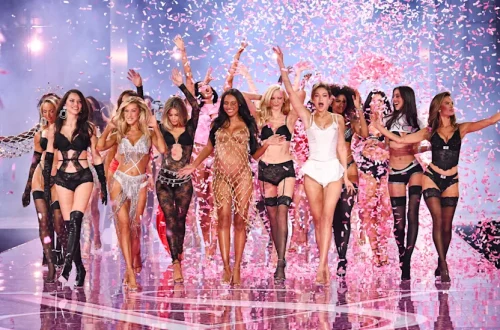
The sashay, by contrast, is confident, rhythmic, and expressive. It evokes glamour and intentionality. Designers like Thierry Mugler and John Galliano popularized high drama on the runway, encouraging models to inject personality and attitude into their walk.
In essence, the evolution from slouch to sashay mirrors larger cultural shifts: from understated cool to theatrical momentum. It reflects how the runway is not just about clothes—it’s a performance.
The New Exhibit: Exploring the Catwalk’s History
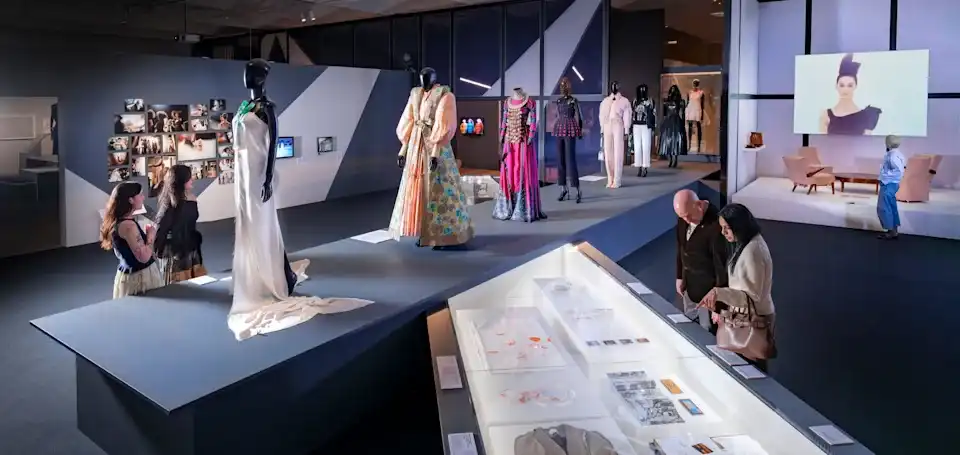
The latest museum exhibit dedicated to the catwalk unpacks this history with unprecedented detail. Titled Slouch or Sashay: The Evolution of the Fashion Runway, the exhibit spans decades and continents, tracing how fashion shows transformed from intimate salons to global media spectacles.
Highlights of the Exhibit
- Historic Runway Footage: Rare film and photographs showing early runway presentations, including early Paris couture shows and post‑war fashion weeks.
- Iconic Model Profiles: Displays celebrating models whose walks helped define eras—figures like Twiggy, Naomi Campbell, and Kate Moss.
- Designer Interactives: Multimedia presentations where visitors can explore how designers choreograph shows and imagine their own runway sequences.
- Runway Fashion Artifacts: Garments that debuted on influential catwalks, from early 20th‑century gowns to cutting‑edge contemporary creations.
One of the most compelling sections examines how technological advances—from photography to live streaming—expanded the reach and cultural impact of fashion shows.
Karl Lagerfeld and the Innovation of Spectacle
No discussion of runway evolution is complete without mentioning visionary designers who pushed boundaries. Among these innovators is Karl Lagerfeld, whose work at fashion houses like Chanel and Fendi positioned him as a master of runway theatrics.
In 2017, Lagerfeld staged a show in Paris that captured global attention for its audacity: he launched a Chanel‑branded rocket as part of the runway presentation. This moment underscored how fashion shows had transformed into multimedia experiences, blending product, brand narrative, technology, and spectacle.
The Chanel rocket was more than a promotional stunt. It symbolized how fashion, as cultural expression, interacts with larger narratives—technology, futurism, and imagination. It also demonstrated that the runway could be a site of storytelling beyond garments alone.
Why We Still Care About the Catwalk
You might wonder why the catwalk endures in an age of digital previews, social media reveals, and virtual fashion shows. The answer lies in its ability to:
1. Create Shared Culture
Fashion shows are collective experiences. Whether attended in person or streamed worldwide, they generate real‑time conversation. Rarely does an industry event spark as much immediate commentary across social platforms and news outlets.
2. Showcase Artistic Vision
The catwalk remains a unique space where designers can express artistic ideas in context. Clothes are not static objects; they are movement, form, and narrative. The runway helps bring these elements to life.
3. Influence Mainstream Trends
Runway presentations shape consumer culture, even if indirectly. Trends that start on the catwalk filter down through magazines, influencers, retail collections, and everyday wardrobes.
4. Reflect Society and Identity
Fashion and its presentation are mirrors of broader cultural shifts. How models walk, how shows are staged, and what narratives are emphasized all reveal something about the society that consumes them.
From Paris to Global Runways: The Spread of Fashion Weeks
While Paris remains a cornerstone of the fashion calendar, the concept of the runway has proliferated worldwide. Cities like New York, London, Milan, Tokyo, and Seoul host their own fashion weeks, each with distinctive energy and cultural identity.
With globalization and digital access, fashion shows are no longer exclusive events for insiders. Anyone with an internet connection can witness a show in real time, blurring the line between industry insiders and global audiences.
Fashion Show Technology: Virtual, Immersive, and Beyond
The traditional catwalk is also evolving through technology. Digital runway shows, virtual reality experiences, and immersive installations are redefining how fashion is presented.
The COVID‑19 pandemic accelerated this shift, pushing designers to experiment with film, animation, and interactive online formats. While physical runways remain vital, digital extensions offer new storytelling possibilities.
The exhibit features a dedicated section on Runway Technology, showcasing how creators have used film editing, virtual avatars, and augmented reality to expand the possibilities of fashion presentation.
The Future of the Catwalk: Where Tradition Meets Innovation
Looking ahead, the catwalk will continue to evolve. Some trends indicate:
- Hybrid Shows: Combining live audiences with digital components.
- Sustainability‑Focused Presentations: Using technology to reduce waste and environmental impact.
- Inclusivity and Diversity: Broadening representation in models and narratives.
- Interactive Audience Engagement: Real‑time participation from global viewers.
The runway will remain a space where culture, commerce, and creativity intersect—whether marked by a slouch or a sashay.
Frequently Asked Questions About the Catwalk and Runway History
What inspired the first fashion runways?
Early runway presentations grew out of the need for designers to show garments in motion. Over time, platforms and stages replaced floors as fashion became more public and media‑oriented.
How has media changed the fashion show?
Photography, television, and digital streaming have expanded runway audiences far beyond the physical attendees of shows, turning fashion presentations into global events.
Who are some models associated with iconic catwalk moments?
From 1960s icons like Twiggy to 1990s supermodels like Naomi Campbell and contemporary stars like Adut Akech, certain models helped define the cultural impact of runway shows.
Why was Karl Lagerfeld’s 2017 Chanel show significant?
By incorporating a Chanel‑branded rocket into the show, Karl Lagerfeld challenged traditional expectations of runway presentations, blending fashion with storytelling and media spectacle.
Conclusion: The Catwalk as Cultural History
The new exhibit Slouch or Sashay: The Evolution of the Fashion Runway offers a riveting exploration of how the catwalk became more than a stage for clothes. It examines the social, technological, and artistic forces that shaped runway culture. From early salon presentations to grand spectacles like Karl Lagerfeld’s 2017 Chanel rocket show, the runway tells a story of fashion’s growth and its ongoing dialogue with society.
Whether you’re a fashion enthusiast, a culture scholar, or a curious visitor, this exhibit reveals that the catwalk is more than just a platform—it’s a living chronicle of style, identity, and creative expression.
References
- Catwalk: The Art of the Fashion Show exhibition (V&A Dundee) — official exhibit page detailing the evolution of catwalk history:
https://www.vam.ac.uk/dundee/whatson/exhibitions/catwalk-the-art-of-the-fashion-show - Paris Fashion Week: A Brief History — Vogue overview of how the Paris fashion show tradition developed and became theatrical:
https://www.vogue.co.uk/fashion/article/article/history-of-paris-fashion-week - Fashion Week History Lesson: The Evolution of Runway Shows — Fashionista article on how runway shows transformed from simple presentations to modern spectacles:
https://fashionista.com/2026/02/fashion-week-history-2 - Fashion Week History (Wikipedia) — summary of fashion week origins, including early defilés and runway shows:
https://en.wikipedia.org/wiki/Fashion_week - Chanel Fall 2017 Paris Fashion Week Recap — Vogue’s coverage of Karl Lagerfeld’s space‑themed show featuring the Chanel rocket:
https://www.vogue.com/article/chanel-fall-2017-paris-fashion-week-ready-to-wear-news-recap-karl-lagerfeld - The Chanel Fashion Show Ended With a Very Stylish Rocket Launch — TIME article covering the Chanel rocket moment:
https://time.com/4693352/chanel-rocket-ship/ - V&A Dundee celebrates the history of the catwalk — The Guardian news article about the new fashion show exhibit and runway evolution including Lagerfeld’s rocket moment:
https://www.theguardian.com/fashion/2026/apr/05/va-dundee-celebrates-the-history-of-the-catwalk-from-discreet-salons-to-todays-extravaganzas