Luxury hotels have always represented more than a comfortable place to sleep. They are designed to create an experience that feels effortless, memorable, and distinctly different from an ordinary stay. From the moment guests arrive, every detail can influence how they feel, from the architecture and scent of the lobby to the quality of the bed, the attentiveness of the staff, and the privacy offered throughout the property.
Today, however, the meaning of a five-star hotel experience is changing. Travelers are no longer impressed by lavish interiors alone. Modern luxury guests increasingly expect personalization, exceptional wellness offerings, thoughtfully designed suites, outstanding food, privacy, technology, and experiences that feel genuinely exclusive.
The best luxury hotels understand that true luxury is often found in the details. It is the ability to anticipate what a guest needs before they ask, provide comfort without unnecessary formality, and create an environment where everything feels carefully considered.
What Does a Five-Star Hotel Experience Really Mean?
A five-star hotel experience is about much more than expensive furniture, large rooms, or an impressive entrance. It represents a combination of exceptional service, sophisticated design, comfort, hospitality, and attention to detail.
While hotel rating systems vary by country and organization, the idea of five-star hospitality generally suggests a high level of service and facilities. Guests expect beautifully maintained accommodations, professional staff, quality dining, premium amenities, and a seamless experience from check-in to check-out.
But luxury is subjective. One traveler may value a private beach and personalized butler service, while another may consider a quiet room, an exceptional mattress, and a peaceful wellness program the ultimate luxury.
This is why today’s most successful luxury hotels focus on creating experiences rather than simply providing facilities. The goal is to make guests feel understood, comfortable, and cared for throughout their stay.
Personalized Service Makes Luxury Feel Personal
One of the most important elements of luxury hospitality is personalized service. A beautiful hotel can create a strong first impression, but thoughtful service is what often turns a good stay into an unforgettable one.
Luxury hotels invest heavily in understanding their guests. Preferences regarding room temperature, dietary requirements, favorite beverages, pillow types, dining times, and activities can all contribute to a more personalized experience.
The difference can be subtle. Instead of asking a guest what they would like every time, an exceptional hotel may already know their preferences. Their preferred drink may be waiting in the room, their favorite breakfast may be remembered, or the concierge may recommend an experience based on what they enjoyed during a previous visit.
Personalized service should also feel natural. Modern luxury is moving away from overly formal hospitality and toward intuitive, discreet assistance. Guests want help when they need it without feeling constantly observed.
This balance between attentiveness and privacy is one of the defining characteristics of true luxury.
Architecture and Design Set the Tone
Architecture is another essential part of the luxury hotel experience. Before guests enter their room, the building itself communicates what kind of experience they can expect.
Some luxury hotels use historic architecture to create a sense of heritage and permanence. Others embrace contemporary design with dramatic structures, expansive glass walls, minimalist interiors, and innovative materials.
The most memorable properties often have a strong sense of place. A beachfront resort might incorporate natural stone, wood, water, and open spaces to connect guests with the surrounding landscape. An urban hotel may use sophisticated interiors, local artwork, and panoramic views to reflect the energy of its city.
Interior design matters just as much. Luxury is not necessarily about filling a room with expensive objects. Instead, it is about choosing materials, proportions, textures, lighting, and furnishings that work together.
Natural materials, high-quality fabrics, custom furniture, carefully selected artwork, and thoughtful lighting can create an environment that feels sophisticated without becoming excessive.
The best luxury hotel design often makes guests feel comfortable before they even understand why.
Luxury Suites Are Designed Around Comfort
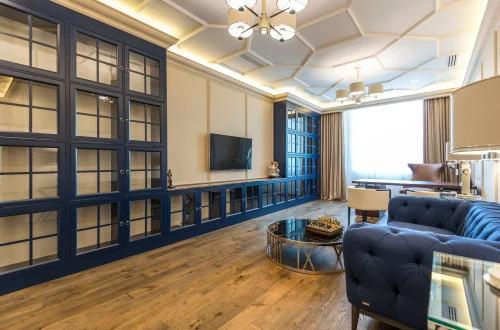
A luxury suite should feel like more than a larger hotel room. It should provide an environment where guests can genuinely relax, work, entertain, and sleep comfortably.
Space is obviously important, but the smartest luxury suites use that space effectively. Separate living areas, private terraces, dressing rooms, spacious bathrooms, dining areas, and dedicated workspaces can transform a hotel room into a temporary private residence.
Views are another major part of the experience. A suite overlooking an ocean, skyline, mountain range, or historic landmark can become one of the most memorable aspects of a trip.
Bathrooms have also become an important feature of luxury accommodation. Deep soaking tubs, rainfall showers, premium toiletries, heated floors, spacious vanities, and carefully designed lighting can turn an everyday routine into a relaxing ritual.
And then there is the bedroom.
For many travelers, the quality of sleep is one of the most important factors in determining whether a hotel stay feels truly luxurious. Premium mattresses, high-quality linens, blackout curtains, quiet surroundings, temperature control, and comfortable pillows can make a significant difference.
In other words, the ultimate luxury may not always be something guests see. Sometimes, it is simply the ability to sleep deeply and wake up feeling refreshed.
Fine Dining Becomes Part of the Destination
Luxury hotels increasingly treat food as a central part of the guest experience rather than an additional service.
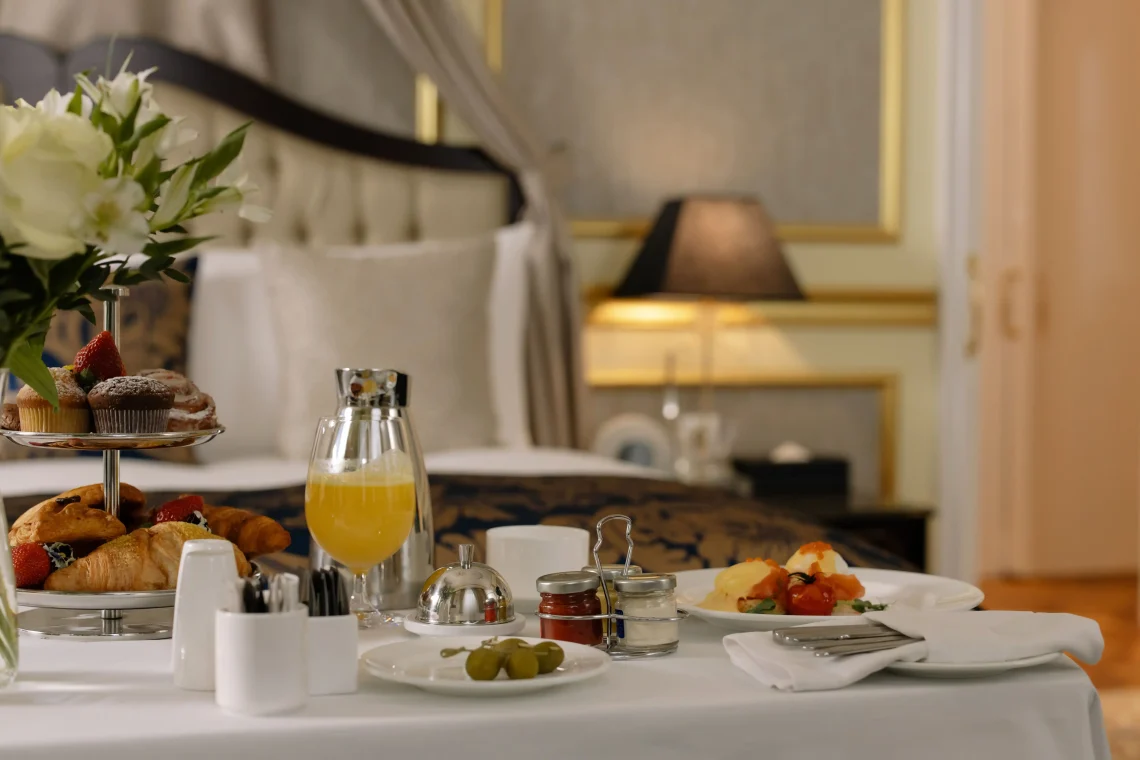
Fine dining restaurants, destination bars, private dining rooms, chef-led experiences, afternoon tea, and carefully curated breakfast menus can all contribute to a hotel’s identity.
The modern luxury traveler is often looking for more than expensive ingredients. They want quality, creativity, authenticity, and a memorable experience.
Local ingredients can be particularly important. A hotel in Italy might highlight regional produce and traditional techniques, while a tropical resort could build its menus around locally sourced seafood, fruit, herbs, and spices.
Presentation matters, but so does atmosphere. A beautifully prepared meal served in an uninspiring environment may not feel as luxurious as a simpler meal enjoyed beside the ocean, on a private terrace, or in an intimate dining room with exceptional service.
Personalization is becoming increasingly important in luxury dining as well. Dietary preferences, allergies, cultural considerations, and individual tastes can all be accommodated through thoughtful service.
For many guests, the best hotel meals become memories that remain long after they have returned home.
Wellness Is Now a Major Part of Luxury Travel
Luxury and wellness have become increasingly connected. Today’s travelers are often looking for hotels that help them feel healthier, calmer, and more energized rather than simply entertained.
Luxury wellness experiences can include full-service spas, thermal facilities, meditation rooms, fitness centers, yoga studios, personalized nutrition programs, sleep-focused services, and wellness retreats.
Some properties go even further by offering specialized programs designed around relaxation, recovery, fitness, or long-term well-being.
Sleep deserves particular attention. After a long flight or a busy day exploring a destination, having a comfortable sleep environment can dramatically improve the hotel experience.
A thoughtfully designed sleep routine can begin with the room itself. Blackout curtains, low lighting, quiet surroundings, comfortable bedding, and a relaxing evening environment can help create the feeling of a private retreat.
For travelers who want to prioritize their sleep and recovery routine while enjoying a luxury lifestyle, products focused on sleep health can also complement the hotel experience.
Product Feature: Ragers Sleep & Health Collection
For those interested in creating a more comfortable sleep and wellness routine at home or while traveling, explore the Ragers Sleep & Health Collection.
The idea fits naturally into modern luxury: wellness is no longer simply about indulgence. It is about investing in the quality of everyday life.
Privacy Has Become the Ultimate Luxury
In a world where people are constantly connected, privacy has become increasingly valuable.
Luxury hotels understand that some guests want to be seen, while others want the opposite. High-profile travelers, business executives, celebrities, and families may prioritize discretion and personal space above everything else.
Private entrances, secluded villas, individual pools, discreet check-in, private dining, personal concierge services, and limited-access areas can provide a level of privacy that standard hotels cannot match.
Even for ordinary travelers, privacy can make a vacation feel more relaxing. A quiet room away from busy public areas, a private balcony, or an intimate pool area can provide a sense of escape.
This is an important shift in the concept of luxury. More does not always mean better. Sometimes luxury means having fewer interruptions.
Exclusive Amenities Create Memorable Experiences
Luxury hotels are constantly looking for ways to give guests access to something they cannot easily find elsewhere.
Exclusive amenities might include private beaches, rooftop pools, chauffeured transportation, luxury vehicles, yacht excursions, private tours, personalized shopping experiences, cultural activities, or access to events and locations that are difficult for the general public to experience.
The strongest amenities are those that feel connected to the destination.
A mountain resort might offer private guided hikes or scenic helicopter tours. A coastal property could arrange private sailing excursions. An urban luxury hotel might provide personal shopping appointments, museum experiences, or private culinary tours.
The goal is not simply to offer more choices. It is to offer meaningful choices that make the guest feel like their trip has been designed specifically for them.
Technology Should Make Luxury More Effortless
Technology has become another important component of modern luxury hospitality, but the best hotels use it subtly.
Guests may be able to control lighting, temperature, curtains, entertainment, and room service through a mobile device. Digital check-in can reduce waiting, while smart room systems can remember individual preferences.
However, technology should never replace hospitality.
Luxury is about convenience, not complexity. If a guest needs a tutorial to operate the room, the technology has probably become more complicated than it needs to be.
The best technology disappears into the background. It allows guests to control their environment easily while maintaining the warmth and personal attention associated with traditional luxury hospitality.
The Importance of Location and Sense of Place
A luxury hotel can have beautiful rooms and exceptional service, but its location can determine how memorable the entire experience becomes.
The world’s most desirable luxury hotels are often found in locations that naturally create a sense of exclusivity, whether that means a private island, a historic city center, a mountain landscape, a secluded beach, or a spectacular urban skyline.
Location also influences the hotel’s relationship with its surroundings.
The best properties do not simply place guests in a destination. They help guests experience it.
Local architecture, cuisine, culture, art, landscapes, and traditions can all become part of the stay. This creates a sense of authenticity that cannot be replicated by simply adding expensive furniture or premium amenities.
What Modern Travelers Really Expect From Luxury
Luxury hospitality has evolved significantly. In the past, luxury was often associated with visible wealth: grand lobbies, gold details, oversized chandeliers, and extravagant decorations.
Today, luxury is increasingly about how an experience makes someone feel.
Travelers want comfort without inconvenience. They want exceptional service without unnecessary formality. They want beautiful surroundings but also authenticity. They want wellness, privacy, personalization, and meaningful experiences.
This explains the growing popularity of concepts such as quiet luxury and experiential travel. Instead of asking how much something costs, modern luxury travelers are increasingly asking whether it provides genuine value.
A private dinner prepared around personal preferences may be more memorable than an extravagant buffet. A peaceful suite with an exceptional bed may be more valuable than a massive room filled with unnecessary technology.
True luxury is becoming more intentional.
What Separates a Luxury Hotel From a Truly Exceptional One?
The difference between a luxury hotel and an exceptional luxury hotel often comes down to consistency.
Anyone can create an impressive lobby. Anyone can purchase expensive furniture. Anyone can install a beautiful spa.
Creating an exceptional experience requires every part of the hotel to work together.
The service must be consistent. The room must be immaculate. The food must be excellent. The bed must be comfortable. The staff must be attentive. The design must feel intentional. The amenities must be useful. The guest should feel that every detail has been considered.
Most importantly, the experience should feel effortless.
Guests should not have to think about everything happening behind the scenes. They should simply feel comfortable, cared for, and free to enjoy their time.
That is the real art of luxury hospitality.
The Future of the Five-Star Hotel Experience
The future of luxury hotels is likely to become even more personalized, private, wellness-focused, and experience-driven.
Travelers are becoming more interested in health, sleep, mental well-being, sustainability, authentic cultural experiences, and personalized service. Luxury hotels that understand these priorities will have an opportunity to redefine what five-star hospitality means.
The most desirable hotels may not necessarily be the ones with the largest rooms or the most extravagant decorations. Instead, they will be the properties capable of creating a complete experience around the individual guest.
From a perfectly prepared breakfast to a quiet night’s sleep, from a private wellness treatment to an unforgettable dinner, modern luxury is increasingly about quality at every stage of the journey.
Final Thoughts
A truly five-star hotel experience is not defined by one spectacular feature. It is created through hundreds of thoughtful details working together.
Personalized service makes guests feel recognized. Architecture creates atmosphere. Beautiful suites provide comfort. Fine dining turns meals into memories. Wellness helps travelers recharge. Privacy provides escape. Exclusive amenities create experiences that are difficult to replicate.
Most importantly, luxury hospitality is evolving from simply providing more to providing better.
The modern definition of luxury is about time, comfort, privacy, personalization, and meaningful experiences. It is about having the freedom to relax without worrying about the details and knowing that someone has already considered what you might need next.
That may ultimately be what makes a hotel truly five-star: not how impressive it looks, but how effortlessly it makes you feel at home while giving you an experience you could never quite recreate anywhere else.