There was a time when luxury was loud. It announced itself through logos, cars in driveways, shopping bags on display, and possessions that could be easily recognized from a distance. But that version of status has been steadily fading into something quieter, more selective, and far more personal.
Today, wealth is less about what can be shown and more about what can be accessed. The most valuable experiences are often the ones that cannot be easily bought off a shelf or photographed for public approval. Private events, members-only spaces, exclusive travel arrangements, and tailored services now define a different kind of status—one built on entry rather than ownership.
This shift is closely tied to how visibility itself has changed. In a world where almost everything can be shared instantly, overexposure has become common. As a result, exclusivity is no longer about being seen—it is about being deliberately unseen while still participating in rare or limited environments.
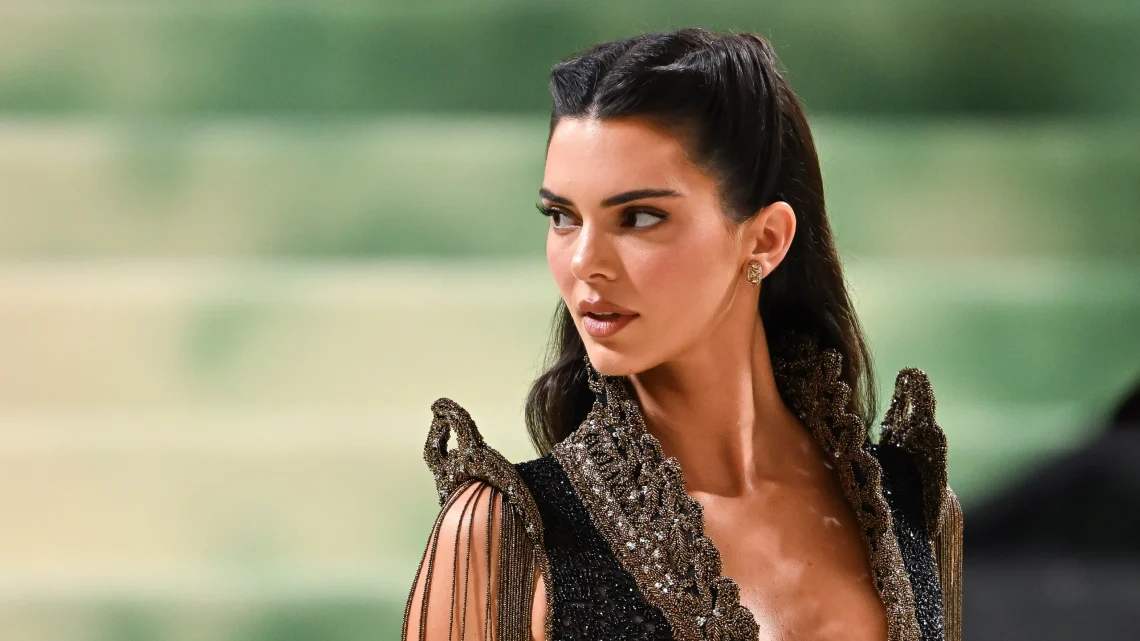
Public figures such as Rihanna and Kendall Jenner often reflect this evolution, where curated appearances, selective visibility, and private lifestyle moments shape perception more than constant public display.
Travel culture has also shifted in this direction. Instead of traditional luxury markers like hotel branding or destination popularity, there is growing interest in privacy-focused experiences—villas over resorts, private bookings over group tours, and itineraries designed around discretion rather than spectacle.
The same pattern is visible in dining, fashion, and wellness. Personalized services, invitation-based experiences, and tailored offerings are becoming more desirable than mass luxury goods. The appeal lies in specificity—something designed for a few, not many.
Digital culture has reinforced this change. Social media once encouraged broadcasting lifestyle moments, but now there is a growing appreciation for keeping certain experiences offline. The less something is seen, the more exclusive it can feel.
Brands have adapted quickly. Instead of focusing purely on visibility, many luxury houses now emphasize access-based models: private client lists, appointment-only services, and experiential offerings that cannot be fully replicated through marketing alone.
At its core, this evolution reflects a deeper change in how value is defined. Possessions are static, but access is dynamic. It creates moments, experiences, and environments that cannot be permanently owned or easily duplicated.
Luxury is no longer just about what you have. It is about where you can go, who you can be with, and what spaces quietly open for you without announcement.