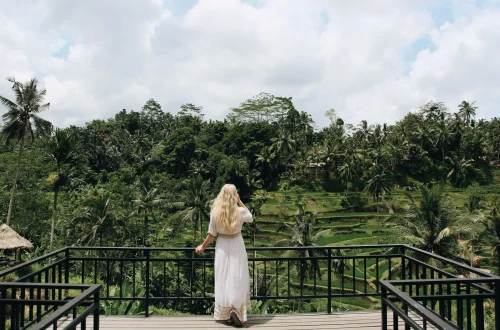
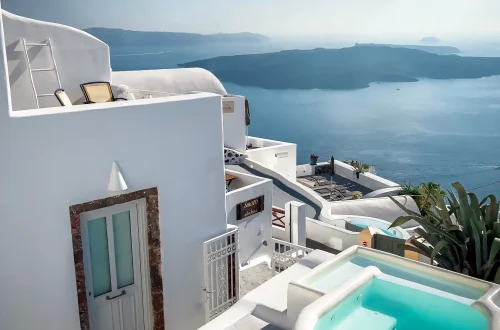
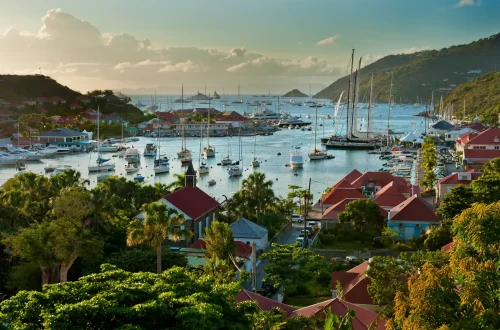
For decades, the blueprint for a luxury vacation was elegantly simple: an opulent 5-star hotel with a breathtaking view, an infinity pool shimmering under the sun, and flawless, white-glove service. It was a model built on passive indulgence and pristine, predictable comfort. While these elements are certainly still appreciated, for a growing cohort of discerning global travelers in, they are no longer the main event. They are merely the backdrop.
A profound shift has occurred in the landscape of high-end travel. The definition of luxury has pivoted from material possession to personal enrichment, from passive observation to active immersion. It is no longer about what you have on vacation, but about what you do, who you meet, what you learn, and ultimately, how you are changed by the journey. This is the era of experiential luxury travel, and it has fundamentally altered what it means to explore the world in style.
The “Why”: Drivers of the Experiential Shift
This evolution is not a fleeting trend, but a deep-seated change in values driven by several key factors.
1. The Post-Status Mindset: In an age of digital saturation, the traditional markers of wealth have become less compelling. The ultimate status symbol is no longer a logo-emblazoned handbag or a photo from a famous hotel lobby. Instead, it is a unique story, a rare skill, or a piece of knowledge that cannot be easily purchased. The new currency of the affluent traveler is a life richly lived. They seek a return on investment measured in memories and personal growth, not just bragging rights.
2. The Quest for Authenticity: Seasoned travelers are increasingly disillusioned with sanitized, “tourist bubble” experiences. They crave genuine connection. They want to understand a destination’s true character—to taste the food the locals eat, to understand the cultural nuances behind a tradition, and to engage with the environment in a respectful, meaningful way. This search for authenticity leads them away from the crowded landmark and towards the private cooking class, the local artisan’s workshop, or the secluded nature trail.
3. The Desire for Personal Transformation: Travel is now widely seen as a powerful tool for self-improvement. Discerning travelers are looking to return home with more than just souvenirs; they want to bring back a new skill, a healthier mindset, or a profound sense of well-being. A vacation is no longer an escape from life, but an investment in it. This has fueled the rise of purpose-driven trips focused on wellness, learning, and personal betterment.
4. The Influence of Conscious Travel: A growing awareness of travel’s environmental and social impact has led many luxury consumers to seek more responsible ways to explore. They want to know their presence is making a positive contribution. This has created demand for experiences that support local communities, aid conservation efforts, and operate on sustainable principles, weaving a sense of purpose into the fabric of the journey.
The “What”: Manifestations of Experiential Luxury
So, what does this new paradigm of travel look like in practice? It’s a spectrum of deeply personal, often one-of-a-kind experiences.
Adventure & Exploration: This is not your standard group tour. It’s about accessing the inaccessible with expert guidance and five-star comfort. Think of a private helicopter dropping you onto an untouched glacier in Iceland for a gourmet picnic, a bespoke diving expedition in Raja Ampat led by a world-renowned marine biologist to explore pristine coral reefs, or a luxury mobile safari in Botswana that tracks wildlife migrations while focusing on conservation efforts.
Cultural Immersion: This goes far beyond a museum visit. It’s about participation, not just observation. Imagine a private, after-hours tour of the Uffizi Gallery in Florence with an art historian, a hands-on culinary masterclass in the personal kitchen of a Michelin-starred chef in San Sebastián, or spending a day learning the ancient art of Japanese pottery from a master artisan in a quiet Kyoto suburb. It’s about gaining privileged access that unlocks a deeper understanding of a culture.
Wellness & Transformation: This is the evolution of the spa vacation into a results-oriented personal overhaul. It includes hyper-personalized, week-long programs at elite Swiss clinics that combine medical diagnostics with holistic therapies to optimize health. It could be a silent meditation retreat led by a respected guru in a luxurious Bhutanese monastery or a rigorous fitness and mental resilience boot camp set against the dramatic landscapes of New Zealand.
Purpose-Driven Travel: This is the ultimate fusion of luxury and meaning. Travelers are using their resources to make a difference, with the help of specialist operators who ensure the experience is both impactful and comfortable. Examples include working alongside researchers to track and protect jaguars in the Pantanal from a luxury eco-lodge, helping to install solar power systems in a remote Peruvian village, or funding and participating in a coral reef restoration project in the Seychelles.
How the Industry is Responding
The luxury travel industry has pivoted to meet this demand. The most successful hotels and tour operators now position themselves as facilitators of experience.
Iconic hotel brands like Aman, Six Senses, and Belmond have mastered this, seeing their stunning properties not as the destination itself, but as a luxurious and comfortable “basecamp for experience.” Their value proposition is their incredible network of local experts and their ability to curate exclusive access. The hotel concierge has been replaced by an “experience manager,” and the glossy brochure has been replaced by a “menu” of unique local adventures, from truffle hunting with a local farmer and his dog to learning the art of falconry from a Bedouin master.
This shift has also fueled the rise of specialist, boutique travel companies who act as travel architects, designing hyper-personalized, multi-stop itineraries from scratch, built entirely around a client’s passions and goals.
The paradigm is clear. The new luxury is active, not passive. It is personal, not generic. It is measured in connections, not carat counts. For the modern discerning traveler, the ultimate luxury is no longer just seeing the world, but engaging with it in a way that leaves a lasting mark—both on the destination, and on themselves.