For years, luxury was closely associated with exclusivity, novelty, and the excitement of owning the newest release. Limited editions, seasonal collections, and constantly changing trends encouraged consumers to chase what was considered fashionable at the moment.
Today, a different mindset is emerging among luxury buyers. More collectors are moving away from short-lived trends and toward pieces that offer lasting value, craftsmanship, and emotional meaning. Instead of asking, “What is popular right now?” many are asking, “What will still matter years from now?”
This shift has transformed the meaning of luxury. Ownership is no longer only about displaying wealth or following trends. Increasingly, luxury consumers are looking for quality, heritage, and items that can become part of their personal story.
The rise of timeless luxury reflects a broader change in consumer behavior. After years of fast fashion, rapid product cycles, and constant online trends, many people are becoming more intentional about what they purchase. They are choosing fewer items but expecting those items to provide greater value over time.
A timeless piece is often defined by qualities that extend beyond appearance. Craftsmanship, durability, rarity, cultural significance, and the reputation behind the maker all contribute to long-term appeal. These characteristics allow certain items to remain desirable even as trends change.
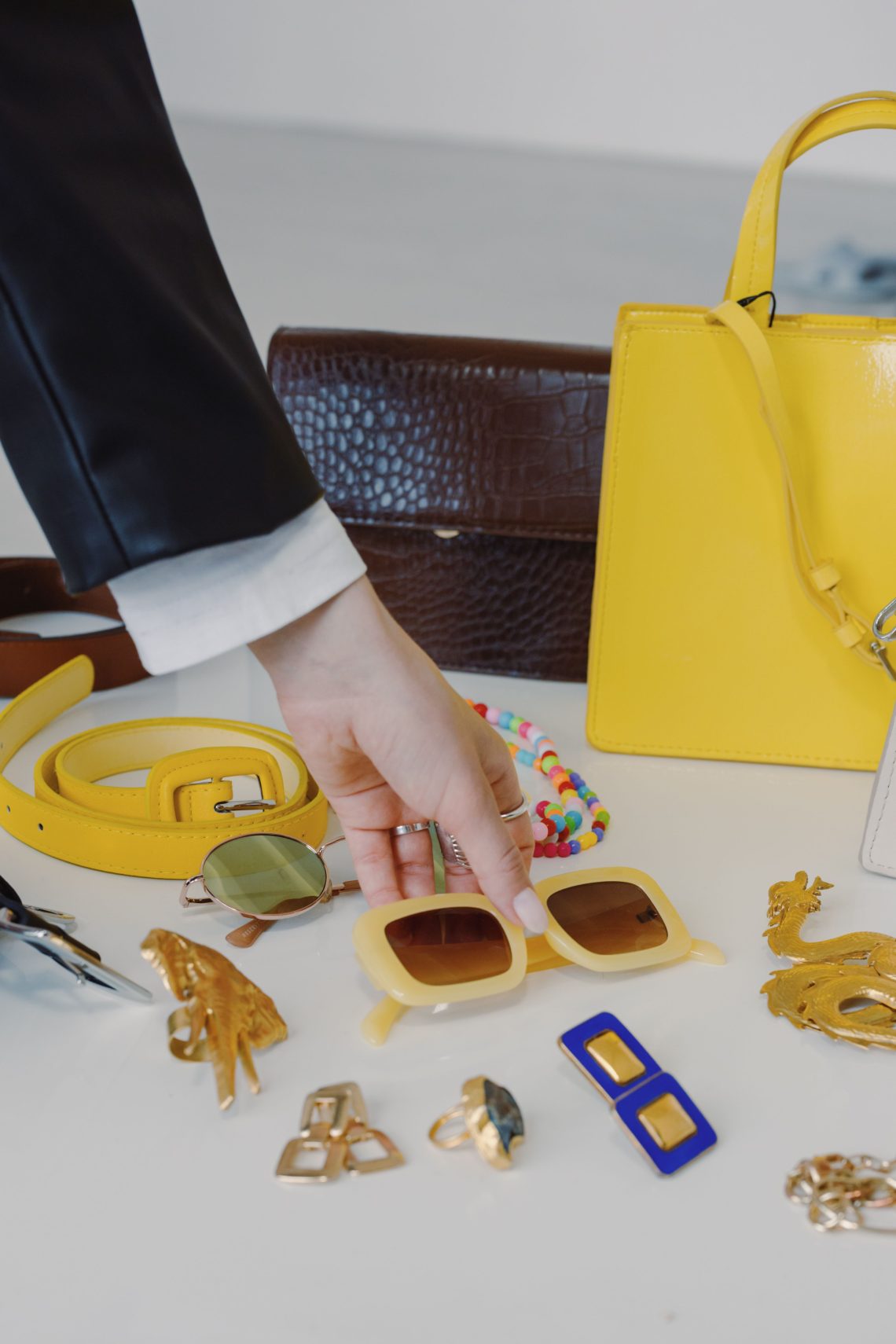
Luxury watches, fine jewelry, designer handbags, artwork, and collectible furniture are examples of categories where buyers often prioritize longevity. Rather than purchasing something simply because it is currently popular, collectors increasingly consider whether an item has the potential to maintain relevance for future generations.
One major reason this shift is happening is the growing interest in investment-minded purchasing. While luxury items are not guaranteed financial investments, certain well-crafted and highly sought-after pieces can retain or increase their value over time. This has encouraged consumers to think more carefully about quality and authenticity.
The idea of “buying once and buying well” has gained popularity among luxury shoppers. Instead of accumulating large collections of temporary items, many consumers prefer investing in pieces they genuinely appreciate and expect to use for years.
This philosophy mirrors a larger cultural movement toward sustainability and mindful consumption. People are becoming more aware of the environmental and social impact of constant purchasing. Choosing durable, long-lasting products can feel more responsible than repeatedly replacing lower-quality alternatives.
Luxury brands have responded to this change by emphasizing heritage, craftsmanship, and storytelling. Many of the most successful luxury companies highlight their history, traditional techniques, and skilled artisans as reasons why their products deserve long-term value.
The emotional connection to luxury has also become increasingly important. A timeless piece often carries memories and personal significance. A watch received for a milestone, a piece of jewelry passed down through generations, or a handcrafted item collected during a meaningful experience becomes more than a possession—it becomes part of a personal legacy.
This explains why heirloom-quality items continue to hold appeal. They represent continuity between generations, allowing objects to carry stories beyond their original owners.
Social media has influenced this trend in unexpected ways. While online platforms often accelerate trends, they have also created communities focused on craftsmanship, collecting, and appreciation for quality. Enthusiasts now share knowledge about materials, production techniques, and the history behind luxury items.
Younger luxury consumers are especially influencing this shift. Many younger buyers are less interested in simply displaying logos and more interested in authenticity, uniqueness, and the story behind a product. They often value craftsmanship and sustainability alongside traditional ideas of luxury.
The popularity of vintage and pre-owned luxury markets reflects this changing attitude. Collectors are increasingly exploring previously owned items because they offer access to rare pieces, established craftsmanship, and products with history.
The growth of resale platforms has also changed perceptions of luxury ownership. Previously, buying secondhand luxury was sometimes viewed as a compromise. Today, it is often seen as a smart way to access quality pieces while supporting a more circular approach to consumption.
Fashion provides one of the clearest examples of this transformation. While seasonal trends continue to influence the industry, many consumers are building wardrobes around classic designs that remain stylish over time. A well-made coat, leather accessory, or carefully chosen designer piece can outlast multiple trend cycles.
The same principle applies to home design and lifestyle choices. Consumers are increasingly interested in furniture, artwork, and objects that create lasting environments rather than temporary aesthetics. The goal is not simply to follow a style—it is to create spaces with personality and meaning.
However, timeless luxury does not mean rejecting innovation. The strongest luxury brands continue evolving while maintaining their identity. The balance between tradition and modern creativity allows products to remain relevant without becoming dependent on short-term trends.
Ultimately, the move toward timeless luxury reflects a deeper change in how people define value. Luxury is becoming less about having more and more about having better.
The most desirable pieces are no longer necessarily the ones everyone is talking about today. They are the ones that continue to inspire appreciation years later.
Collectors are choosing heirloom-quality investments because true luxury is not only about the moment of purchase—it is about the decades of enjoyment, meaning, and history that follow.
In a world where trends change overnight, timeless pieces stand apart because they are designed to last.
References
- McKinsey & Company – State of Fashion and Luxury Consumer Trends Research
- Bain & Company – Luxury Goods Worldwide Market Studies
- Deloitte – Global Consumer and Luxury Industry Insights
- Boston Consulting Group – Luxury Market and Consumer Behavior Research
- Vogue Business – Luxury Fashion and Consumer Trends Coverage
- The Business of Fashion – Luxury Industry Analysis and Reports