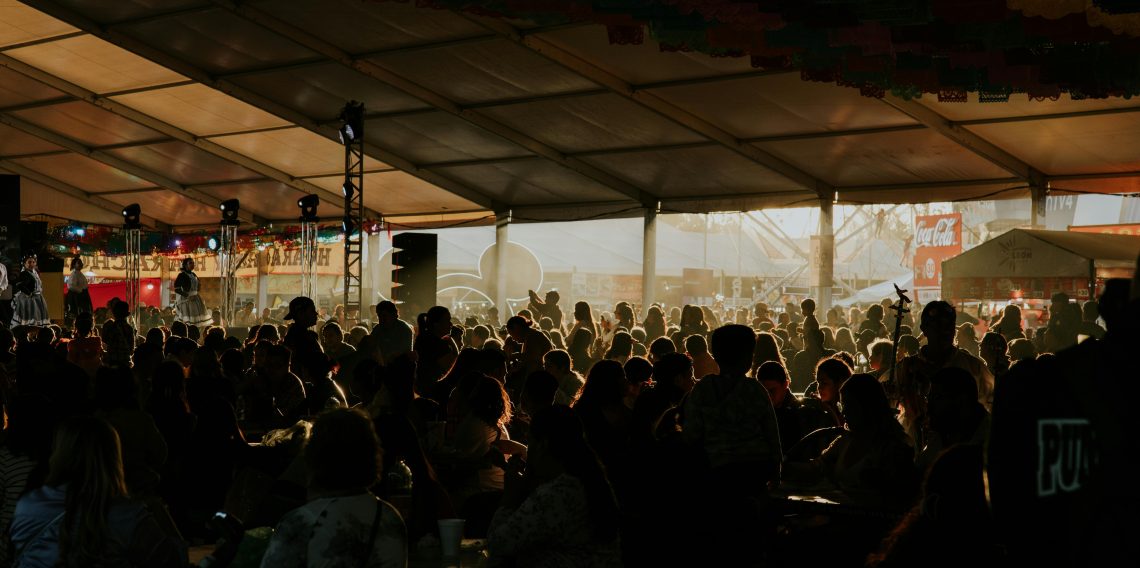
At the Coachella Valley Music and Arts Festival, attention is no longer just a byproduct of entertainment—it is the primary currency. In 2026, the festival operates as a large-scale visibility engine where music, fashion, creators, and brands converge in a single, highly concentrated attention environment. What happens on site is only half the equation; what circulates afterward is where most of the value is generated.
The process begins with density. Multiple stages, overlapping performances, celebrity appearances, and constant audience activity create a continuous stream of moments. Each of these moments has potential commercial value, but only a fraction are amplified into widespread visibility. The ones that spread become entry points for broader brand exposure, whether intentional or incidental.
Short-form content is the key mechanism. Clips extracted from performances, outfits, crowd reactions, and surprise appearances travel faster than the full experiences they come from. These fragments are then distributed across platforms where they gain additional layers of meaning through commentary, memes, and repetition. In this cycle, attention multiplies itself through circulation.
Brands benefit from this structure because visibility is immediate and scalable. A single appearance or association can trigger rapid spikes in search behavior, social engagement, and product interest. Importantly, this doesn’t require direct advertising in every case—presence within a viral moment is often enough to generate measurable impact.
Influencers and creators play a central role in this ecosystem. Their content acts as distribution infrastructure, translating on-the-ground experiences into highly shareable visuals. Outfits, product placements, and lifestyle cues embedded in their posts become part of the festival’s broader commercial footprint, extending its reach far beyond physical attendance.
At the same time, the audience is not passive. Attendees themselves function as real-time distribution nodes, capturing and sharing content that feeds the wider attention cycle. This turns the festival into a decentralized media system where thousands of individual perspectives contribute to a single, expanding narrative.
What makes Coachella particularly effective as a revenue engine is timing. Attention peaks are compressed into a short window, which creates urgency. Brands and artists don’t just gain visibility—they gain synchronized visibility across multiple platforms at once. That simultaneity amplifies impact in ways traditional campaigns cannot easily replicate.
There is also a feedback loop between visibility and demand. As content spreads, it drives curiosity, which leads to search activity, which reinforces further visibility through algorithms. This cycle converts cultural attention into measurable economic outcomes without requiring a linear advertising path.
Ultimately, “How Festivals Turn Attention Into Revenue” describes a system where culture and commerce are no longer separate layers. At Coachella, attention is the infrastructure, content is the distribution system, and visibility itself becomes the product that drives value across the entire ecosystem.