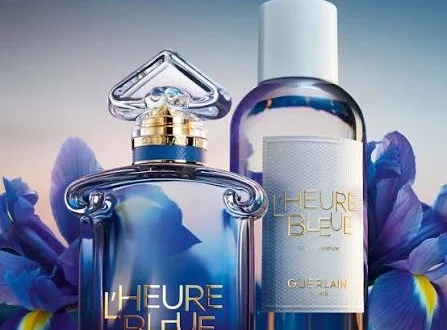
Of all the elements that constitute our personal style, fragrance is undoubtedly the most intimate and evocative. It is your invisible accessory, a lingering presence that can communicate confidence, warmth, mystery, or joy before you’ve even spoken. While the department store counters are filled with fragrances backed by celebrity faces and blockbuster marketing campaigns, the discerning individual often seeks something more personal, more unique—something that feels less like a popular trend and more like a second skin.
This is the world of niche perfumery. Unlike mainstream scents created by focus groups to achieve mass appeal, niche fragrances are crafted as works of art. They are composed by master perfumers with creative freedom, using high-quality, often rare ingredients to tell a specific story or evoke a particular mood. Finding your signature scent within this complex and beautiful world is not a simple shopping trip; it is a delightful journey of self-discovery. This is your guide to navigating that journey and finding a fragrance that doesn’t just smell good, but smells unequivocally like you.
1. Understanding the Language: Fragrance Families & Notes
Before you can find what you love, it helps to speak the language. The world of perfume can seem complex, but understanding a few key concepts will empower your search.
Fragrance Families: Most perfumes can be categorized into a few main families. Identifying which family you are naturally drawn to is an excellent starting point.
- Fresh: Bright and clean scents. This family includes Citrus (lemon, bergamot), Water/Aquatic (sea salt, rain), and Green (cut grass, crisp leaves).
- Floral: The largest family, ranging from single flower notes (soliflores) to complex bouquets. Think of rose, jasmine, lily, and peony. They can be light and fresh or rich and heady.
- Woody: Warm, dry, and earthy. Key notes include sandalwood (creamy, soft), cedarwood (dry, sharp), oud (deep, resinous), and vetiver (smoky, green).
- Amber (formerly Oriental): Rich, warm, and spicy. This family is defined by notes like vanilla, incense, cardamom, and resins. These scents are often opulent, sensual, and enveloping.
The Perfume Pyramid: A fragrance is not a single, static smell; it’s a composition that evolves on your skin over time. This is known as the perfume pyramid.
- Top Notes: What you smell immediately upon spraying. They are light, volatile, and evaporate quickly (within 15-30 minutes). Often citrus or light herbs.
- Middle (Heart) Notes: The core of the fragrance, which emerges after the top notes fade. These are usually florals, spices, or greens and form the main character of the scent.
- Base Notes: The deep, rich foundation of the perfume. These notes are the last to develop and the longest to linger, often for many hours. Common base notes are woods, musk, vanilla, and amber. This is why you must never judge a perfume by its first impression. You have to let it live on your skin to experience the full story.
2. The Starting Point: Reflect on Your Personal Style & Memories
A signature scent should be an extension of who you are. Before you start smelling, take a moment to reflect.
- Your Aesthetic: How do you dress? Are you a classicist in tailored neutrals, a minimalist in clean lines, a bohemian in flowing fabrics, or an eclectic with a flair for the dramatic? Your scent should feel harmonious with your visual identity.
- Your Scent Memories: Scent is inextricably linked to memory. What smells make you happy? The crisp air of an autumn hike? The comforting scent of old books in a library? A grandparent’s rose garden after the rain? The salty air of a beach vacation? These personal connections are powerful clues.
- Your Desired Feeling: How do you want to feel when you wear your fragrance? Energetic and uplifted? Grounded and serene? Confident and powerful? Mysterious and alluring? Let this desired emotion guide your choices.
3. Where to Explore: Beyond the Department Store
To find true niche fragrances, you need to go where they live.
- Specialized Perfumeries: Seek out dedicated perfume boutiques. Stores like Scent Bar/Luckyscent in the U.S., Jovoy in Paris, or the fragrance hall at Liberty London are curated temples of scent, staffed by knowledgeable experts who can guide you.
- Brand Boutiques: Visit the standalone stores of niche houses like Le Labo, Diptyque, Byredo, or Frederic Malle. This allows you to immerse yourself in the brand’s unique world and explore their entire collection without the noise of competing scents.
- Discovery Sets: This is arguably the best way to start. Most niche brands offer “discovery sets” online—small sample vials of their most popular fragrances. This is a cost-effective, pressure-free way to test a variety of scents at your own pace, on your own skin, in your own environment.
4. The Art of Testing: A Strategic Approach
How you test a fragrance is just as important as where you find it.
- Skin is Essential: A paper blotter only reveals a fleeting glimpse of the top notes. Your unique body chemistry is the final ingredient that determines how a perfume will truly smell. Always test on your skin.
- Test Strategically: Avoid overwhelming your senses. Test no more than two fragrances at a time, one on each wrist. Do not rub your wrists together, as this can crush the delicate scent molecules.
- Live With It: This is the most crucial step. Wear a single fragrance sample for a full day. How does it make you feel in the morning? At lunchtime? In the evening? Does it give you a headache? Do you receive compliments? Do you still love it after eight hours? A signature scent must pass the full-day test.
Niche Houses to Begin Your Journey
Here are a few highly respected houses to start exploring, categorized by their general aesthetic:
- For the Modern Minimalist (Byredo): This Stockholm-based brand is known for its clean, cool, and often unexpected compositions. Try: Mojave Ghost or Gypsy Water.
- For the Poetic Intellectual (Le Labo): Famous for its hand-blended, industrial-chic aesthetic and scents that evoke specific places and feelings. Try: The iconic Santal 33 or the smoky Thé Noir 29.
- For the Lover of Opulence (Frederic Malle): Malle acts as an “editor,” giving the world’s best perfumers total creative freedom. The results are complex, high-art fragrances. Try: The dramatic and beautiful Portrait of a Lady.
- For the Master of Understated Elegance (Maison Francis Kurkdjian): Creator of the global phenomenon Baccarat Rouge 540, MFK offers a complete wardrobe of exquisitely crafted, modern French perfumes. Try: The airy and clean Aqua Universalis.
- For the Seeker of Naturalism (Diptyque): This Parisian house is beloved for its ability to capture the scent of a specific moment in nature with stunning realism. Try: The green, milky fig of Philosykos or the creamy sandalwood of Tam Dao.
Finding your signature scent is a patient and deeply rewarding process. It’s about discovering that one fragrance that feels like an extension of yourself, that brings you comfort and confidence, and that becomes inextricably linked to how others remember you. It is the ultimate olfactory luxury.