Luxury is entering a new era. For years, high-end shopping was often driven by seasonal collections, fast-changing trends, and the excitement of owning the latest must-have item. Today, however, many luxury consumers are taking a different approach. Instead of chasing what’s new, they are investing in timeless craftsmanship, exceptional quality, and pieces designed to last for decades.
This shift reflects a growing appreciation for lasting value over short-term excitement.
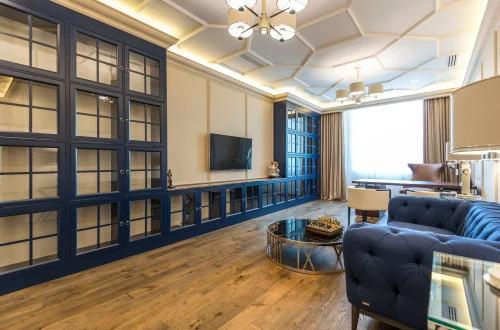
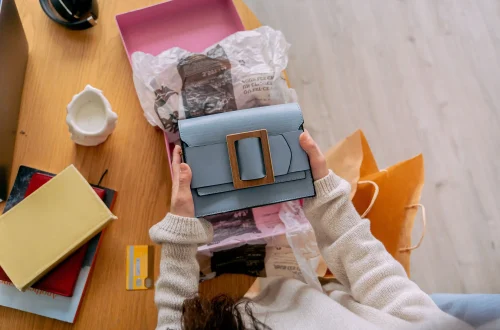
Modern luxury buyers are becoming more intentional about their purchases. Rather than filling wardrobes or homes with items that may quickly fall out of style, they are selecting products with enduring design, premium materials, and expert craftsmanship. Whether it is a handcrafted leather bag, a fine mechanical watch, custom furniture, or heirloom-quality jewelry, today’s investments are chosen with longevity in mind.
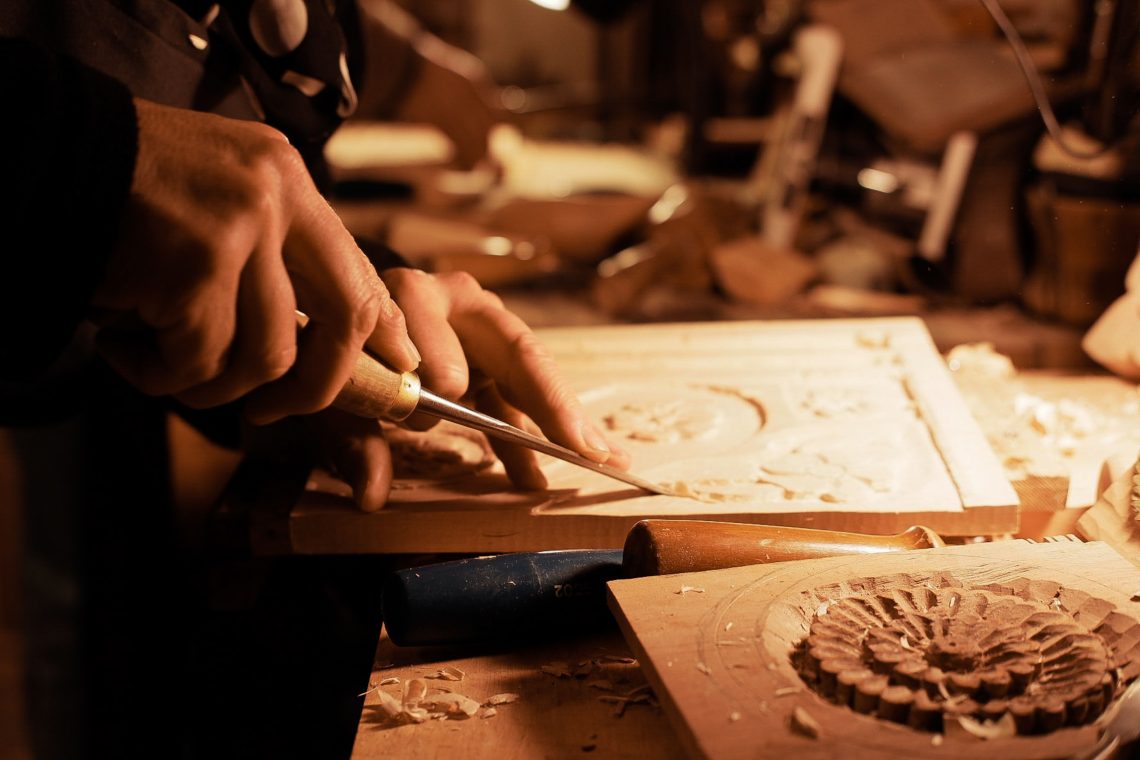
Craftsmanship has become one of luxury’s greatest selling points. Consumers are increasingly interested in how products are made, where materials come from, and the level of skill involved in creating each piece. Handmade details, traditional techniques, and attention to quality are becoming more valuable than mass production or limited-time trends.
This renewed focus on quality is also influenced by sustainability. Many shoppers recognize that buying fewer, better-made products can reduce waste and encourage more responsible consumption. A well-crafted item that lasts for many years often provides greater value than replacing lower-quality alternatives repeatedly.
Heritage brands continue to benefit from this movement because of their long-standing reputation for excellence. At the same time, emerging designers who emphasize craftsmanship, transparency, and ethical production are attracting consumers looking for products that combine modern design with lasting quality.
Luxury is no longer defined only by price.
It is increasingly defined by durability, authenticity, and purpose.
Technology has also changed the luxury shopping experience. Consumers now have access to detailed product information, artisan stories, craftsmanship videos, and customer reviews before making a purchase. This transparency allows buyers to better understand the value behind premium products and make more informed decisions.
Personal style is another factor driving this trend. Rather than following every seasonal fashion movement, many people are building timeless collections that reflect their individual taste. Classic tailoring, neutral color palettes, versatile accessories, and well-made essentials are becoming the foundation of modern luxury wardrobes.
The resale and vintage markets have also contributed to this shift. Luxury pieces that maintain their quality and appeal over time often retain significant value, making them attractive not only as fashion items but also as long-term investments. Buyers increasingly appreciate products that can be enjoyed today while remaining desirable for future generations.
The concept of “buy once, buy well” is gaining momentum across fashion, home design, travel, and lifestyle categories. Consumers are becoming more selective, choosing products that deliver both exceptional performance and timeless beauty.
As the luxury industry evolves, brands are responding by highlighting craftsmanship, heritage, repair services, and product longevity instead of focusing solely on seasonal trends. The message is clear: true luxury is built to endure.
The future of luxury will likely belong to products that combine artistry, functionality, and lasting value. While trends will always influence the marketplace, timeless craftsmanship continues to offer something trends cannot—confidence that a beautifully made piece will remain meaningful for years to come.
Because real luxury is not measured by how quickly something becomes popular.
It is measured by how well it stands the test of time.
References
- HauteLedger: https://hauteledger.com
- Business of Fashion – Luxury Industry Insights: https://www.businessoffashion.com
- McKinsey & Company – State of Fashion Reports: https://www.mckinsey.com/industries/retail/our-insights
- Deloitte – Global Powers of Luxury Goods: https://www.deloitte.com
- Harvard Business Review – Luxury Branding and Consumer Behavior: https://hbr.org
- Bain & Company – Luxury Goods Worldwide Market Study: https://www.bain.com