In 2026, the visual language of wealth is becoming less about visibility and more about restraint. Instead of loud branding, seasonal trend cycles, or highly recognizable logos, modern luxury is increasingly defined by subtle design, timeless silhouettes, and understated presentation.
This shift reflects a broader change in how status is communicated. Wealth is no longer primarily displayed through obvious markers. Instead, it is expressed through quality, consistency, and a sense of control that does not rely on external validation.
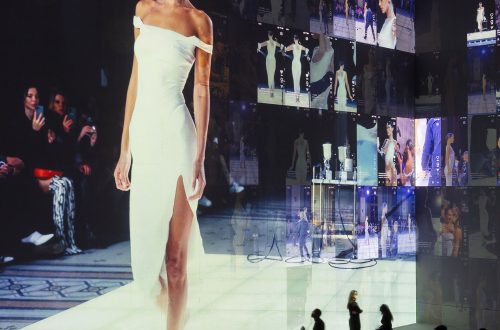
Quiet luxury prioritizes details that are not immediately attention-seeking. Tailoring, fabric quality, neutral color palettes, and clean structure have become more influential than overt branding. The result is clothing and styling that feels intentional without appearing performative.
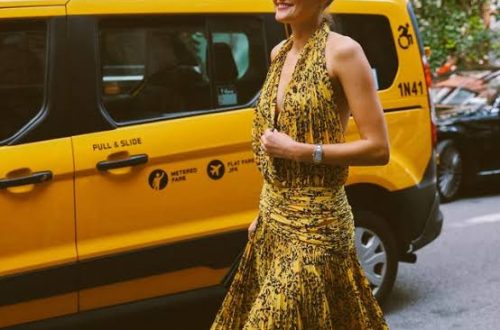
Social media has played a major role in reinforcing this direction. In saturated digital environments, overly loud aesthetics often lose impact quickly, while minimal and refined visuals tend to perform better over time. Quiet luxury fits naturally into this environment because it reads as calm, cohesive, and visually stable.
Another reason this aesthetic persists is longevity. Trend-heavy fashion cycles often feel temporary, tied to specific moments or viral spikes. In contrast, understated luxury is designed to remain relevant across seasons, making it more adaptable to long-term wardrobes and investment-based consumption.
There is also a psychological dimension to the trend. Subtle luxury communicates confidence through understatement. Instead of relying on external recognition, it suggests familiarity with quality and design principles without needing explicit signals of status.
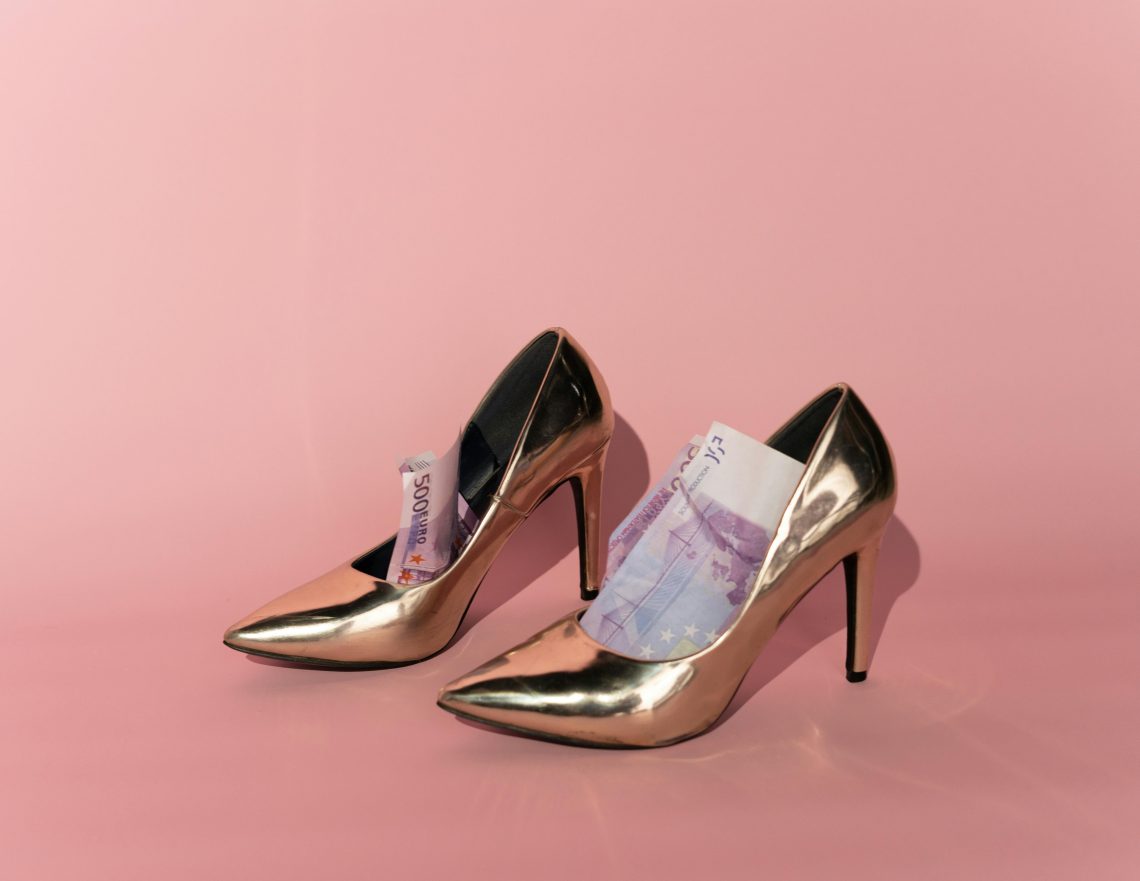
Economic behavior also plays a role. Consumers are increasingly selective about purchases, favoring pieces that can be worn repeatedly in different contexts. Versatility has become a key indicator of value, especially in uncertain financial environments where long-term utility matters more than short-term novelty.
Brands have adapted accordingly. Many luxury and contemporary fashion houses now emphasize craftsmanship, material quality, and minimal design language over highly visible logos. Marketing increasingly focuses on longevity, structure, and wearability rather than immediate attention capture.
Beauty and lifestyle culture reflect the same pattern. Soft glam makeup, clean grooming, and minimal styling align closely with the quiet luxury aesthetic, reinforcing an overall preference for polished simplicity across multiple categories.
Importantly, this trend is not about avoiding style or expression. Instead, it represents a shift toward controlled presentation—where visual impact comes from balance, proportion, and detail rather than excess.
Ultimately, “Why Quiet Luxury Still Defines Modern Wealth” reflects a broader 2026 cultural reality: in an environment saturated with constant visibility and fast-moving trends, true modern status is increasingly associated with restraint, refinement, and timeless design rather than loud display.