The music at the Empire Polo Club is loud, but the loudest wins of Coachella 2026 aren’t happening on the speakers. While thousands of fans are focused on the headliners, a different kind of competition is taking place behind the scenes. We are seeing a massive shift in how companies spend their money. The old way was to pay millions for a logo on a stage or a 30-second commercial. The new way? Owning the “lifestyle” through the people we follow. This year, brands are winning Coachella without ever stepping foot on a stage.
It all starts with the “Influencer House.” In 2026, the biggest marketing move isn’t a billboard; it’s a luxury estate in La Quinta or Indian Wells. Brands like Revolve, H&M, and various high-end skincare lines have taken over private mansions to create “content hubs.” These aren’t just hotels; they are fully branded experiences. Every corner of these houses is designed to be a perfect photo background. By hosting the world’s top creators and giving them a place to stay, eat, and get ready, brands ensure that their products are in every single “Get Ready With Me” (GRWM) video and “Outfit of the Day” post. This is “stealth marketing” at its finest—you aren’t watching an ad; you’re watching your favorite creator live their best life, sponsored by a brand you now want to buy.
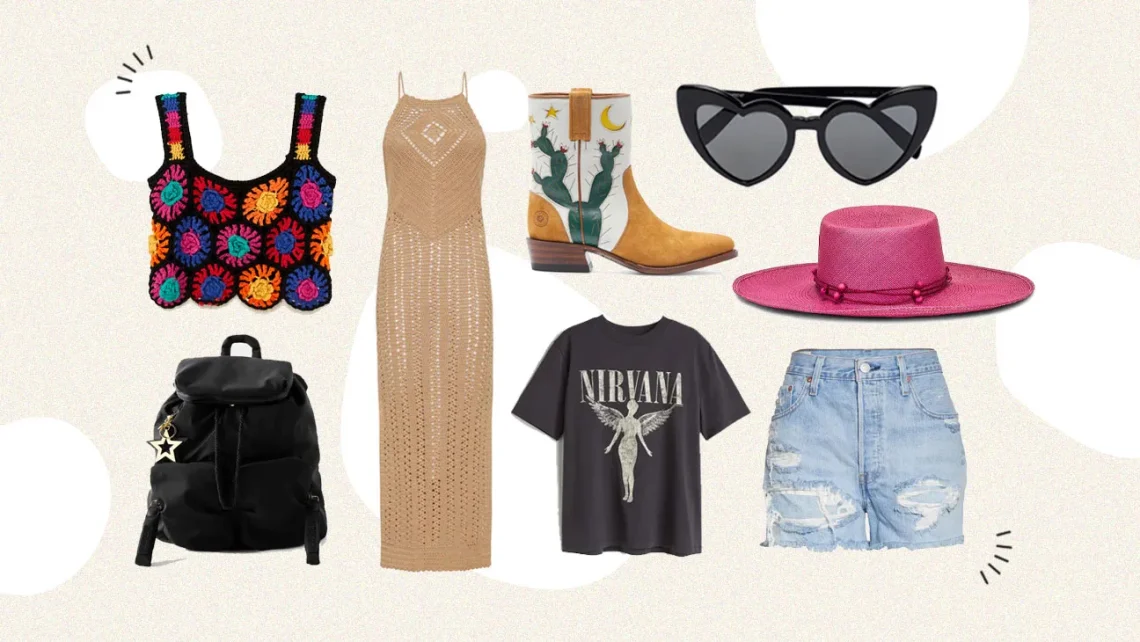
Traditional ads simply can’t compete with the power of a “placement.” When a creator with five million followers posts a photo in a specific pair of structured western boots or a sleek, silver jewelry set, those items sell out in minutes. This is because the audience trusts the influencer more than they trust a corporate commercial. In 2026, we’ve seen a huge spike in “accidental” viral products. A certain brand of electrolyte drink or a specific “undone glam” hair oil becomes the star of the weekend just because it was sitting on a vanity in a viral TikTok. These placements feel organic and real, making them incredibly effective for reaching a younger audience that usually skips ads.
Even the way brands “activate” at the festival has changed. Instead of loud, crowded booths, we are seeing more “quiet luxury” lounges. These areas offer what fans actually need: shade, high-speed Wi-Fi, and skin repair stations. By solving a problem for the attendee—like providing a place to charge a phone or get a cold drink—the brand builds a positive emotional connection. You don’t remember the brand because they shouted at you; you remember them because they saved your phone battery or helped you stay hydrated during a dust storm. This “service-based” marketing is proving to be much more valuable than traditional signage.
Why is this “quiet dominance” so successful? Because it understands the “Group Chat” culture of 2026. When someone in a group chat asks, “Where did she get those sunglasses?” or “What is that drink everyone has?”, the answer is usually a brand that played the long game. These companies aren’t looking for a quick shout-out; they want to be the “vibe” of the entire weekend. They know that if they can dominate the background of the internet’s most viral moments, they’ve already won.
As Coachella 2026 wraps up, the data is clear: the most successful brands weren’t the ones on the posters. They were the ones in the suitcases, the bathrooms, and the private parties of the people we watch. By moving away from traditional ads and leaning into influencer culture and practical luxury, these brands have found a way to be everywhere at once. Coachella might be a music festival, but for the world’s smartest marketers, it’s the ultimate laboratory for the future of selling. They didn’t need a microphone to get their message across; they just needed the right person to hold their product in the desert sun.