Luxury used to be loud. Exotic cars in the driveway, diamond-encrusted watches on the wrist, private jets splashed across social feeds—visibility was the status signal. But a shift is underway. High-end consumers are increasingly prioritizing privacy over performance, discretion over display. Quiet spending is replacing flex culture, and the very definition of luxury is being rewritten.
The change reflects both cultural and technological forces. On social media platforms like Instagram and X, ostentatious displays of wealth are no longer universally admired. Audiences are critical of performative spending, quick to call out over-the-top flaunts. In this environment, conspicuous consumption risks scrutiny and backlash. Luxury, paradoxically, gains value when it is unseen.
High-net-worth individuals are responding by moving experiences and acquisitions offline. Private clubs, boutique hotels, and bespoke services offer exclusivity without the expectation of social proof. Even luxury purchases—like custom jewelry or rare art—are increasingly about personal satisfaction and legacy, rather than viral posts. Discretion itself has become a status symbol.
This trend also connects to a desire for authenticity and control. Quiet luxury allows consumers to enjoy refinement on their own terms, free from external judgment. Privacy amplifies enjoyment, making the experience about the owner rather than the audience. The very act of limiting visibility enhances exclusivity.
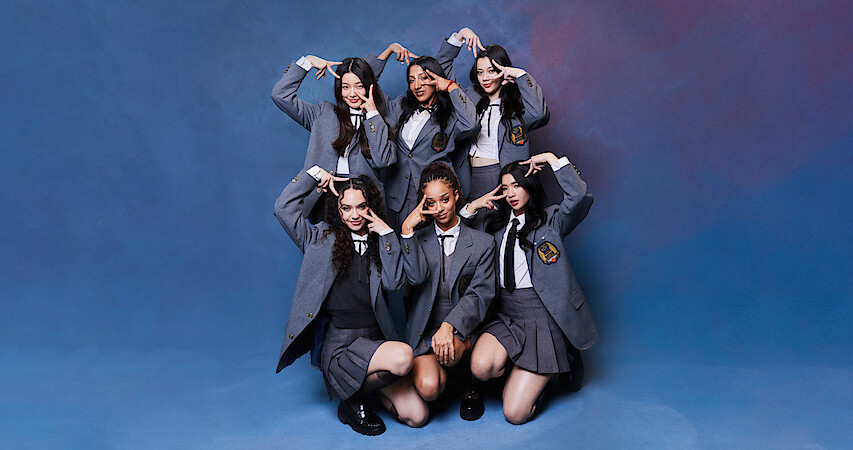
Brands have noticed and adapted. The traditional approach of bombastic campaigns and influencer partnerships is being complemented by private viewings, invitation-only events, and direct client engagement. Companies like Hermès and The Katseye Group are capitalizing on this shift, crafting bespoke experiences that reward discretion rather than spectacle. Marketing now emphasizes storytelling, heritage, and craftsmanship over shareable moments.
Technology supports the trend. Encrypted communications, invitation-only platforms, and private transaction channels make high-value purchases seamless and confidential. The digital world now accommodates those who wish to remain unseen while still accessing the most coveted products and experiences.
The psychological appeal of unseen luxury is also notable. In a hyper-visible culture, invisibility is empowering. It communicates confidence, independence, and taste that doesn’t require validation. Quiet consumption signals that wealth is experienced rather than performed.
Even social rituals are evolving. Exclusive dinners, intimate gatherings, and private vacations replace red carpet moments. The focus shifts from attention to experience, from optics to ownership. In this new paradigm, luxury is measured less by likes and more by personal fulfillment.
Ultimately, the rise of unseen luxury signals a broader cultural shift: discretion, curation, and intentionality are becoming more valuable than spectacle. In a world obsessed with visibility, choosing to remain private has become the ultimate statement of wealth, taste, and influence.