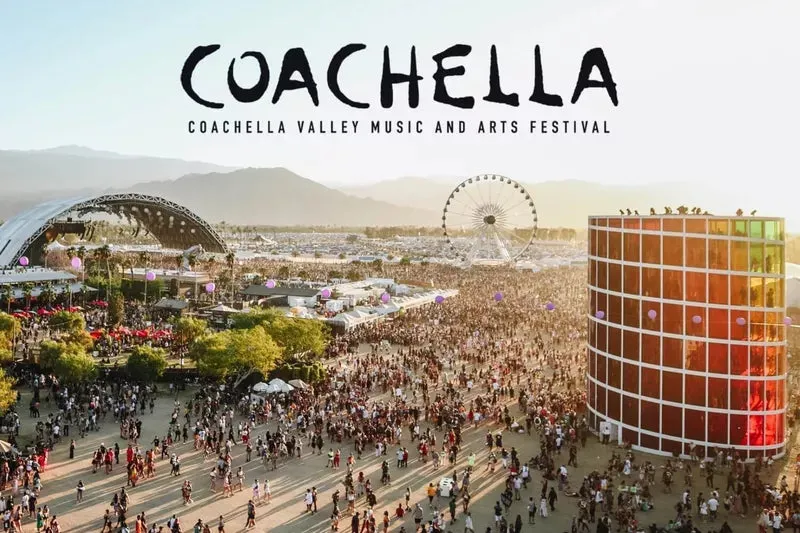
While the headliners on the Coachella 2026 posters were the supposed main draw, the true winners of the weekend were the creators who turned the desert into a high-stakes “Influencer Olympics.” In 2026, we’ve reached a tipping point where influencer visibility is often generating more global engagement than the actual stage performances. While stars like Sabrina Carpenter and Justin Bieber delivered massive sets, their reach was largely confined to those watching the livestream or standing in the dust. Meanwhile, the top 1% of creators—hosted in high-budget “Influencer Houses”—were broadcasting a 24/7 curated lifestyle that made the festival feel like a background prop for their own personal brands. For millions of viewers on TikTok and Instagram, the story of the weekend wasn’t about the setlist; it was about who was at the Revolve Festival, what they were wearing, and which “stealth” brand placements were tucked into their “Get Ready With Me” videos.
This shift has fundamentally changed how brands spend their money in the desert. In 2026, the data shows that a well-placed product in a viral creator’s hands is outperforming traditional stage sponsorships by a landslide. Brands like Always and Secret are opting for “The Refresh Room”—an immersive, high-end restroom experience—while others like Bloom and Pacsun are finding more success with roadside activations that capture content-hungry fans on their way to the show. These “stealth” placements feel more organic and relatable to a digital audience that has grown tired of corporate logos. When a creator with millions of followers mentions their “festival skin prep” or shares a “Coachella outfit inspiration” guide, the conversion to sales is immediate. The 2026 “Content Playbook” proves that the real ROI isn’t in a 30-second shout-out from a stage; it’s in the 5.4 billion potential impressions generated by creators who make the brand part of their authentic desert story.
Ultimately, the reason influencers “won” the weekend is that they have mastered the art of the 360-degree experience. While an artist’s performance is a fleeting moment in time, a creator’s content lives in a constant loop, fueled by shoppable tools on YouTube and TikTok that allow fans to buy the “look” in real-time. This year, we saw influencers like Victoria Justice and Winnie Harlow turning brand activations like the Zoeasis into global fashion runways, proving that the intersection of music, fashion, and commerce is where the modern festival truly lives. In the desert of 2026, there are as many cameras pointed at the crowd as there are at the stage, and the message is clear: the most powerful stage isn’t the one with the speakers—it’s the one in the palm of your hand. Influencers didn’t just attend Coachella; they owned the narrative, turning every dusty mile into a billion-dollar marketing machine.