For travelers seeking quiet luxury in pristine wilderness, Patagonia offers an unparalleled experience. Straddling the southern regions of Chile and Argentina, this remote and dramatic landscape has become a premier destination for hikers, nature enthusiasts, and adventurers seeking both serenity and awe-inspiring beauty. From the towering granite peaks of Torres del Paine National Park in Chile to the stunning vistas of Glaciers National Park and El Chaltén in Argentina, Patagonia is synonymous with world-class hiking and unforgettable outdoor exploration.
This guide explores the highlights of Patagonia, hiking itineraries, tips for first-time visitors, and why it has earned its reputation as a top wilderness destination for travelers seeking luxury in nature.
Why Patagonia Is a Destination for Quiet Luxury
Patagonia combines rugged adventure with comfort and sophistication, making it a top choice for travelers seeking immersive experiences without compromising on quality. The region’s appeal lies in:
- Pristine Wilderness: Vast landscapes with minimal human development allow visitors to feel truly immersed in nature.
- Exclusive Lodging Options: Boutique lodges and high-end eco-resorts offer comfort while maintaining environmental sustainability.
- World-Class Hiking: Trails range from moderate day hikes to multi-day treks that challenge even experienced hikers.
- Biodiversity & Scenic Variety: Glaciers, lagoons, forests, and jagged peaks create a breathtaking backdrop for any adventure.
Patagonia provides the perfect balance of adventure and refinement, a modern definition of quiet luxury where experiences matter more than material extravagance.
Key Highlights: Torres del Paine National Park, Chile
One of Patagonia’s most iconic destinations is Torres del Paine National Park, located in southern Chilean Patagonia. Recognized globally for its dramatic granite peaks, turquoise lakes, and vast glaciers, the park is a must-visit for serious hikers.
The Famous “W-Trek”
The W-Trek is the most famous hiking route in Torres del Paine, named for its shape, which resembles a “W” on a map. Covering roughly 50 miles (80 kilometers) over 4–5 days, the trek offers a combination of challenging trails and unforgettable scenery:
- Base of the Towers: Witness the iconic granite spires that define the park, including the towering Paine Grande.
- French Valley: Surrounded by soaring cliffs and hanging glaciers, this valley provides panoramic views that leave hikers in awe.
- Grey Glacier: Trek to the edge of the massive Grey Glacier, an icy spectacle of deep blue tones and dramatic ice formations.
Wildlife Encounters
Torres del Paine is home to unique Patagonian wildlife, including:
- Pumas: Though elusive, sightings are possible for the vigilant hiker.
- Guanacos: These camelid relatives of the llama are frequently spotted grazing on the plains.
- Andean Condors: Majestic birds soaring above the mountains add a cinematic touch to the landscape.
Best Time to Visit
- October to April: The Southern Hemisphere’s spring and summer provide longer daylight hours, milder temperatures, and safer hiking conditions.
- Avoiding Crowds: Early or late-season treks offer a quieter experience, aligning with the ethos of quiet luxury.
Tips for a Luxury Hiking Experience
- Stay in Eco-Lodges: Parks like Torres del Paine now feature boutique accommodations with scenic views and curated meals.
- Private Guides: Consider hiring a guide for personalized insight and a safer, more relaxed hike.
- Gear Rental & Preparation: Many lodges offer high-quality gear rentals, eliminating the need to carry heavy equipment.
Glaciers National Park & El Chaltén, Argentina
On the Argentine side of Patagonia, Glaciers National Park and the nearby town of El Chaltén provide access to some of the most breathtaking hikes in South America.
Fitz Roy Mountain Range
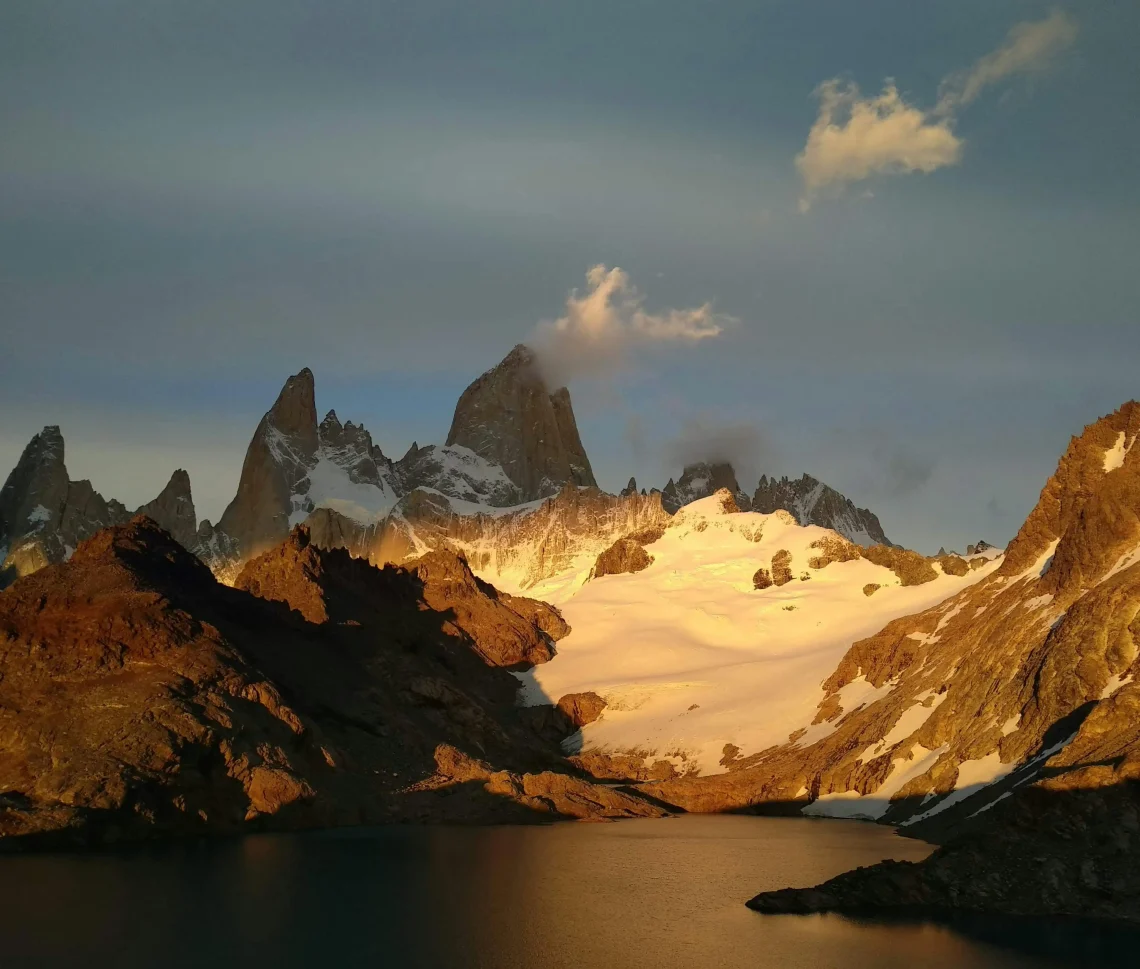
Mount Fitz Roy, also called Cerro Fitz Roy, is a striking granite peak often shrouded in clouds, adding to its mystique. The surrounding trails offer hikes for all levels:
- Laguna de los Tres: A moderate-to-strenuous trek that rewards hikers with stunning views of Fitz Roy reflected in the turquoise lagoon.
- Laguna Capri: A shorter day hike with scenic lake views, perfect for sunrise photography.
- Loma del Pliegue Tumbado: For panoramic vistas of the Fitz Roy range, glaciers, and the Patagonian steppe.
Glaciers National Park Highlights
This UNESCO World Heritage site includes Perito Moreno Glacier, one of the few advancing glaciers in the world. Visitors can enjoy:
- Glacier Walks: Guided treks across the ice for an up-close experience of the glacier’s jagged surface.
- Boat Tours: View massive ice formations from the water while capturing photographs of the glacier’s dramatic blue tones.
- Wildlife Watching: Spot eagles, foxes, and waterfowl amid the serene wilderness.
El Chaltén: Argentina’s Hiking Capital
- A hub for trekking enthusiasts, El Chaltén provides lodging, guided tours, and gear shops.
- Offers trails suitable for both casual hikers and experienced adventurers.
- The town is designed to harmonize with nature, reflecting Patagonia’s commitment to eco-conscious tourism.
Combining Chilean and Argentine Patagonia
Many travelers explore both sides of Patagonia, creating a multi-country itinerary that maximizes scenic diversity:
- Chile: Torres del Paine for granite peaks, lakes, and glaciers.
- Argentina: El Chaltén and Glaciers National Park for Fitz Roy, Perito Moreno Glacier, and world-class trekking trails.
This combination allows hikers to experience dramatic contrasts: Chile’s vast open landscapes versus Argentina’s alpine lagoons and rugged peaks.
Hiking Tips for World-Class Trails
Preparation & Gear
- Layering is Essential: Patagonia’s weather is unpredictable; layering allows hikers to adjust quickly.
- Sturdy Hiking Boots: Trails vary from rocky terrain to icy paths near glaciers.
- Trekking Poles: Helpful for long hikes, steep climbs, and uneven surfaces.
Safety & Wildlife
- Always carry a map or GPS; some trails are remote and poorly marked.
- Maintain distance from wildlife, including guanacos and pumas.
- Check weather forecasts before heading out; storms can develop rapidly.
Hydration & Nutrition
- Bring water purification tablets or portable filters.
- Snacks like nuts, dried fruit, and energy bars keep energy levels high during multi-day treks.
Capturing the Experience
Photography in Patagonia is essential: dramatic lighting, massive glaciers, and vibrant lagoons create once-in-a-lifetime shots.
- Golden Hour: Sunrise and sunset provide warm, soft light for dramatic landscape photography.
- Drone Photography: For capturing the scale of mountains, lakes, and glaciers.
- Minimalist Composition: Highlighting the solitude of Patagonia enhances the sense of quiet luxury.
Sustainable & Luxury Travel in Patagonia
As a remote wilderness, Patagonia requires responsible tourism. Travelers seeking luxury experiences are increasingly opting for:
- Eco-Friendly Lodges: Minimal environmental impact with comfort-focused design.
- Leave No Trace Principles: Carrying out waste and minimizing human impact on trails.
- Locally Guided Tours: Supporting local economies while gaining authentic insights into the region.
Patagonia blends adventure with conservation, making it an ideal destination for environmentally conscious luxury travelers.
Why Patagonia Remains a Premier Hiking Destination
Patagonia’s enduring appeal lies in its dramatic landscapes, biodiversity, and challenging trails:
- World-Class Hiking: Torres del Paine and El Chaltén trails are globally recognized.
- Pristine Wilderness: Vast, minimally populated areas allow immersive natural experiences.
- Iconic Landmarks: Granite peaks, glaciers, and turquoise lagoons provide unforgettable scenery.
- Quiet Luxury Travel: Boutique lodges and curated experiences allow comfort without disrupting nature.
The combination of remote adventure, natural beauty, and curated comfort is why Patagonia attracts hikers and travelers seeking unique, high-quality experiences.
Suggested Itinerary for a 7-Day Patagonian Adventure
Day 1–2: Torres del Paine (Chile)
- Hike the Base of the Towers and French Valley trails
- Stay in an eco-lodge with lake views
Day 3–4: W-Trek Adventure
- Multi-day hike covering Grey Glacier and Paine Grande
- Camp or stay in glamping-style lodges
Day 5: Travel to El Chaltén (Argentina)
- Scenic drive across Patagonia
- Overnight in boutique hotel or lodge
Day 6: Fitz Roy Hikes
- Trek Laguna de los Tres for sunrise views
- Afternoon relaxation and photography
Day 7: Perito Moreno Glacier Excursion
- Guided glacier walk and boat tour
- Return to El Calafate for departure
This itinerary balances intense trekking with luxurious rest, offering an immersive Patagonian experience.
Conclusion
Patagonia is a world-class hiking and wilderness destination for those seeking quiet luxury, dramatic landscapes, and adventure. With iconic locations like Torres del Paine National Park in Chile and Glaciers National Park & El Chaltén in Argentina, it offers unforgettable trekking experiences across pristine lakes, towering peaks, and vast glaciers.
By combining adventure with comfort and sustainability, Patagonia sets the standard for luxury wilderness travel. Whether you are an experienced hiker, a photography enthusiast, or a traveler seeking serene natural beauty, Patagonia offers an unmatched combination of challenge, inspiration, and quiet sophistication.
For those planning a trip in 2026, Patagonia promises immersion in the ultimate wilderness, a journey that is as visually stunning as it is soul-enriching.