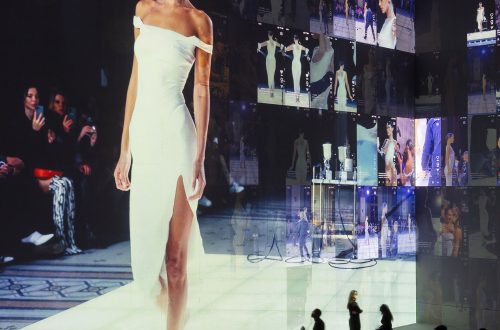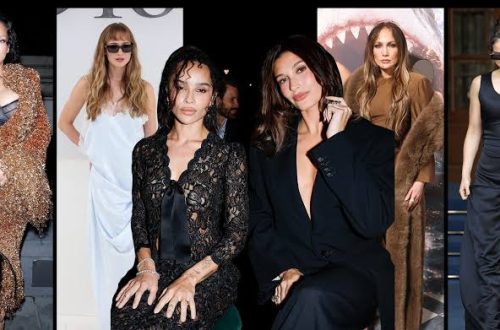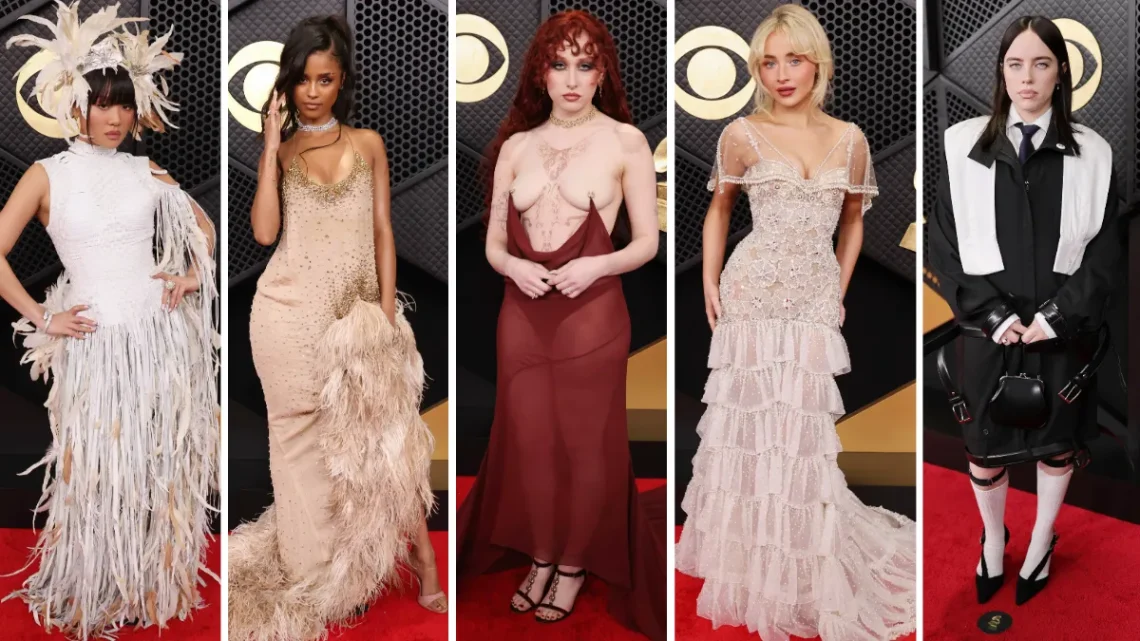
Red carpet fashion may look like a glamorous parade of gowns, suits, and designer labels, but beneath the surface lies a powerful economic engine. The economics of red carpet style have grown increasingly lucrative, transforming fashion moments into high-value business opportunities. From brand partnerships to the growing influence of celebrity stylists, the people shaping what we see on the carpet are quietly becoming some of the most powerful players in the industry.
Every major red carpet appearance is now a calculated investment. A single standout look can generate millions in earned media value for a brand within hours. Photos circulate across global news outlets, social platforms, and fashion commentary feeds almost instantly, extending far beyond the event itself. This visibility turns clothing into currency, and the red carpet into a marketplace where attention equals value.
At the center of this exchange are brand partnerships. Designers and fashion houses carefully align themselves with celebrities whose public image matches their identity. When that alignment is successful, the payoff can be enormous. A well-placed red carpet moment can elevate a brand’s relevance, boost sales, and reposition it within the cultural conversation. These partnerships are no longer about dressing stars for free—they’re strategic collaborations involving contracts, exclusivity, and long-term brand storytelling.
Yet, the true architects of these moments often remain behind the scenes: stylists. Once seen as supporting players, stylists have evolved into influential power brokers who shape not just individual looks, but entire fashion narratives. Their decisions influence which designers break through, which trends gain traction, and which aesthetics dominate the season.
Stylists operate at the intersection of creativity and strategy. They balance the celebrity’s personal brand, the designer’s goals, and the cultural moment in which the look will land. This requires an understanding of fashion history, audience psychology, and media impact. When done well, the result feels effortless—but the economics behind it are anything but simple.
The rise of social media has further amplified stylist influence. Stylists now build personal brands alongside their clients, gaining followings that rival traditional fashion editors. Their behind-the-scenes insights, styling philosophies, and visual storytelling help shape public taste and consumer behavior. In many cases, audiences follow the stylist as closely as the celebrity.
This shift has also changed how brands allocate resources. Increasingly, fashion houses invest in long-term relationships with stylists, knowing that their endorsement can carry as much weight as the celebrity wearing the look. A stylist’s network and credibility often determine which brands make it onto the red carpet—and which ones are left out.
Beyond visibility, red carpet fashion drives real economic outcomes. It influences retail demand, inspires fast fashion adaptations, and sets seasonal design directions. What appears on the carpet often trickles down to everyday wardrobes, proving that these moments are not isolated—they shape consumer behavior on a massive scale.
Ultimately, the economics of red carpet style reveal a new hierarchy of influence. While celebrities remain the face of fashion moments, stylists and strategists are the hidden power brokers pulling the strings. They transform clothing into cultural currency and turn fleeting moments into lasting impact.
As award seasons continue to evolve, one thing is certain: the real power in fashion isn’t just who wears the look—it’s who puts it together.