Fashion in 2026 is becoming quieter, cleaner, and far more intentional. Instead of chasing loud logos, oversized branding, and short-lived trend cycles, consumers are increasingly drawn toward clothing and styling that feels refined, polished, and timeless.
The goal is no longer simply to look trendy. The goal is to look elevated without appearing like you are trying too hard.
This shift reflects a broader cultural change happening across social media, luxury fashion, beauty, and lifestyle culture. In previous years, internet aesthetics were dominated by visibility—bold pieces, heavily branded outfits, and attention-grabbing styling designed to stand out instantly in crowded feeds.
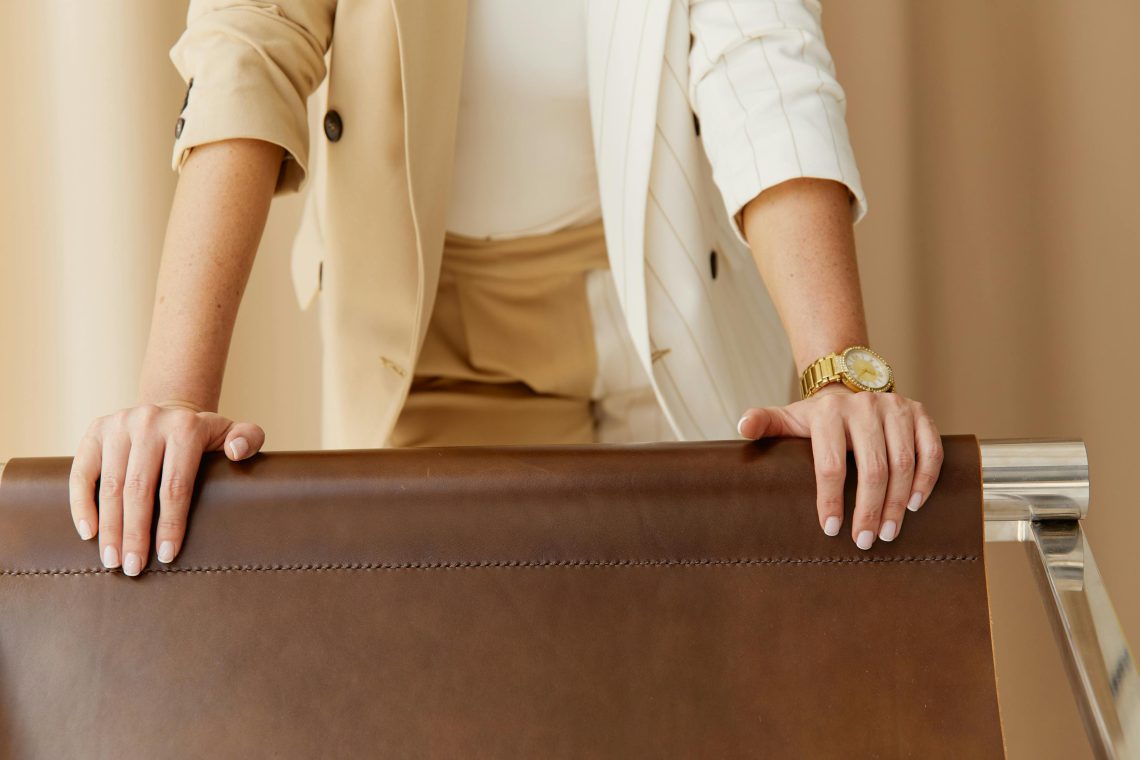
Now the opposite approach is gaining momentum. Neutral colors, tailored silhouettes, structured basics, quality fabrics, minimal accessories, and understated grooming are becoming more desirable because they communicate stability and control rather than excess.
Looking expensive today is less about showing wealth directly and more about presenting yourself with consistency and restraint. A simple outfit with strong tailoring and clean styling often creates a stronger impression than something overloaded with logos or trend-heavy details.
Social media has played a major role in accelerating this change. Platforms are saturated with content, making obvious luxury signals feel repetitive and less impactful than they once did. As a result, audiences are becoming more visually selective. Subtle presentation now stands out more because it feels calmer in an overstimulated environment.
Timeless fashion also performs differently online. Quiet luxury aesthetics tend to age better, repost better, and fit across multiple platforms without looking tied to a specific trend cycle. Minimal styling creates versatility, which makes it easier for audiences to save, reference, and recreate.
Economic uncertainty is another reason consumers are moving away from flashy consumption. People are becoming more careful about what they buy, favoring pieces that can be worn repeatedly instead of highly specific items designed for temporary internet attention. Versatility is increasingly viewed as a form of value.
This has changed how brands market luxury as well. Instead of relying entirely on visibility and status symbols, many companies now emphasize craftsmanship, fabric quality, fit, and long-term wearability. The language of luxury is shifting from “look at this” to “this lasts.”
The beauty industry reflects the same pattern. Soft glam, healthy skin, clean grooming, and understated styling continue outperforming dramatic looks because they align with the broader preference for effortless refinement. The aesthetic feels controlled without appearing overproduced.
There is also a psychological element behind the trend. Loud branding often depends on external recognition, while understated fashion relies on confidence and presentation. Quiet luxury signals that someone understands style without needing constant validation from visible labels.
Importantly, this movement is not only about money. Many people chasing the “expensive” aesthetic are focused more on discipline, cohesion, and simplicity than actual price tags. Well-fitted basics, strong posture, grooming, and intentional styling often matter more than designer logos themselves.
Ultimately, “Why Looking Expensive Matters More Than Ever” reflects a larger shift in 2026 culture. In a digital world filled with noise, overstimulation, and constant trend turnover, timeless fashion feels more powerful because it communicates calm, control, and permanence instead of temporary attention.